
What Does Microcement Look Like? Texture & Finish Explained
One of the reasons microcement has become such a sought-after architectural finish is its ability to create depth and movement across surfaces with a seamless finish — and it’s all down to the textural and tonal variations.
In this guide, we'll answer some of the most common questions about microcement’s texture, appearance, and finish options.
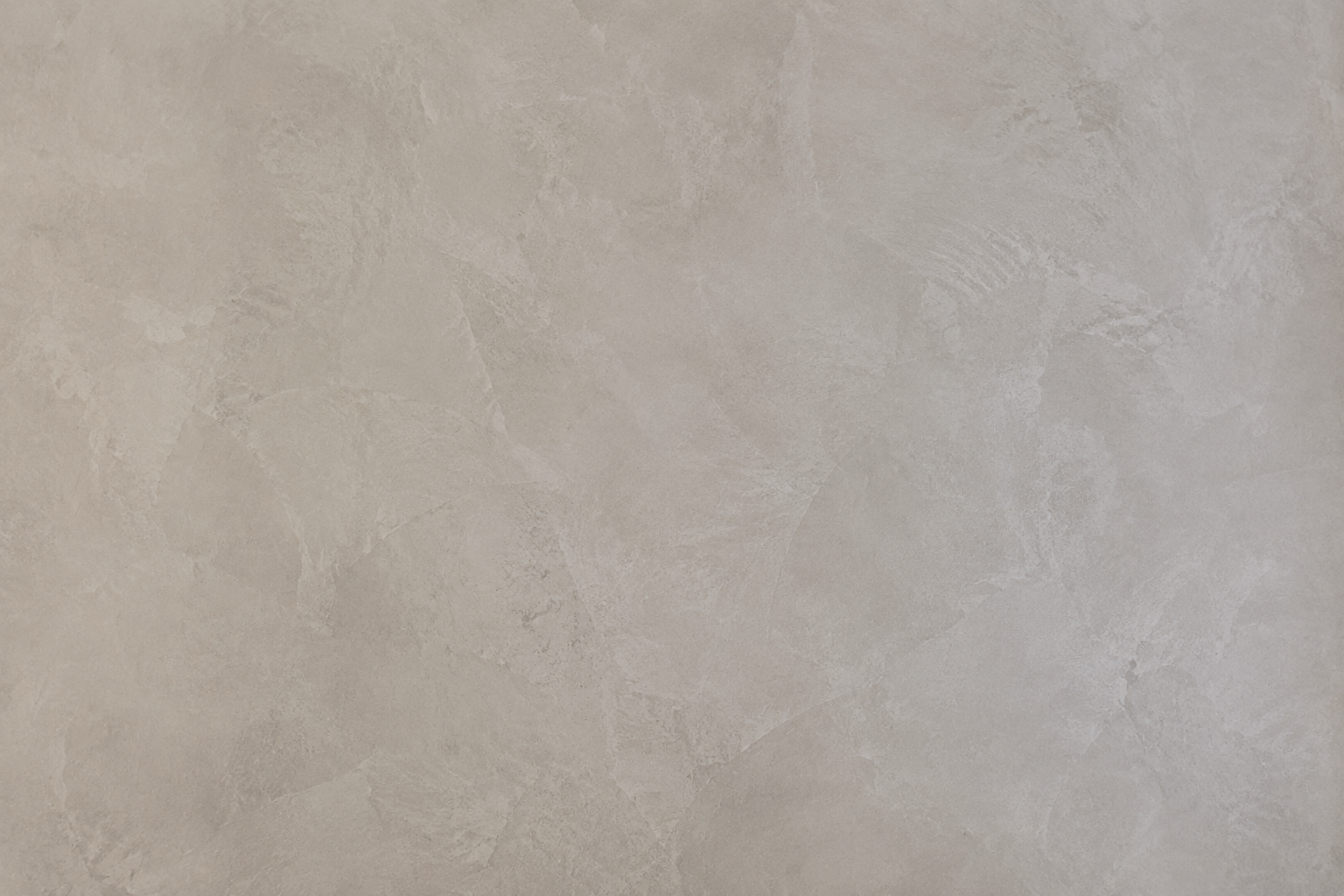
What Does Microcement Look Like?
Microcement is applied by hand using a specialised trowelling process. It’s often compared to concrete or Venetian plaster, but the final appearance of microcement surfaces can vary significantly depending on the application technique and colour selected.
Typically, microcement surfaces are characterised by:
Tonal variation rather than a completely uniform colour
Soft clouding and shading effects created by trowel markings
Natural trowel marks that give the surface a handcrafted appearance
Seamless continuity without grout lines, joins, or visual interruptions
A smooth yet tactile hand-feel with varying degrees of texture based on finish selection
Light-reactive movement, where the finish can appear different throughout the day as lighting conditions change

Is Every Microcement Finish the Same?
Not at all. One of the biggest misconceptions about microcement is that it only comes in one look. In reality, the final appearance depends on several factors, including:
The product system used
The application technique
Colour selection
Lighting conditions
The level of texture desired
The type of protective sealer applied
An experienced applicator can create finishes ranging from soft and subtle to highly textured and expressive. As it’s a hand-applied material, two microcements installations are ever identical, which is part of its appeal.
Smoothness Levels — Is Microcement Rough?
All microcement surfaces will have a handcrafted appearance with visual and textural movement. But depending on the tools and techniques used, installers can create all different kinds of microcement finishes.
At Alt Surfaces, our X-Bond Microcement range includes four distinct finish styles with texture patterns and tonal behaviours that are defined by the application process.


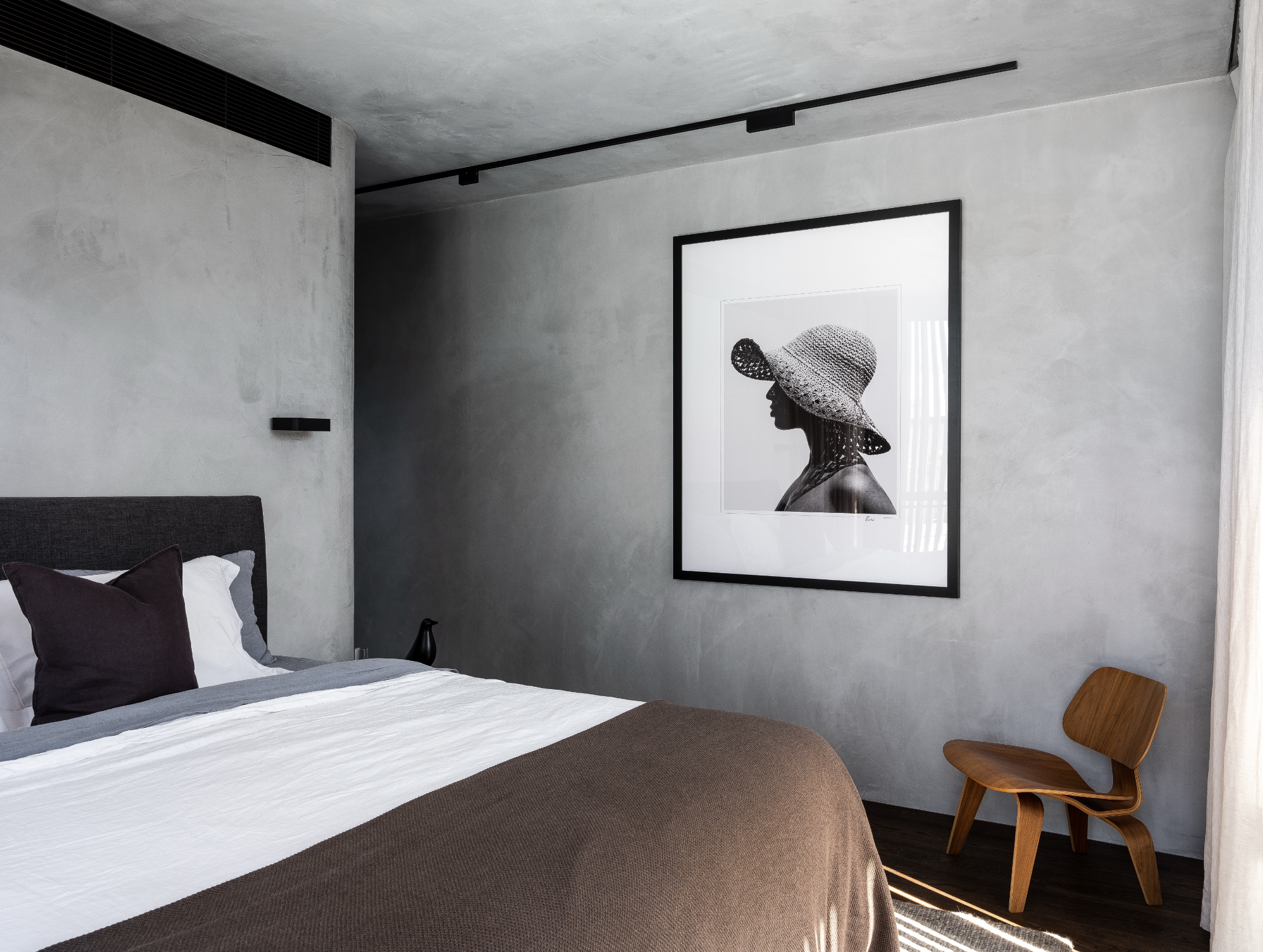
X-Bond Hybrid
The Hybrid Finish offers the classic microcement appearance you know and love. The X-Bond formula is hand-trowelled in smooth layers, which is what results in that beautifully gentle movement and characteristic clouding throughout the finish.
Once sealed, the texture of Hybrid is extremely smooth and satin-like. It doesn’t feel rough underhand, however we usually mix in non-slip additives to create more grip on Hybrid flooring applications.
This is the recommended finish for luxury bathrooms and showers, and one of our most popular choices on residential walls and high-traffic flooring, boutique retail spaces, and joinery projects.
X-Bond Natural Concrete
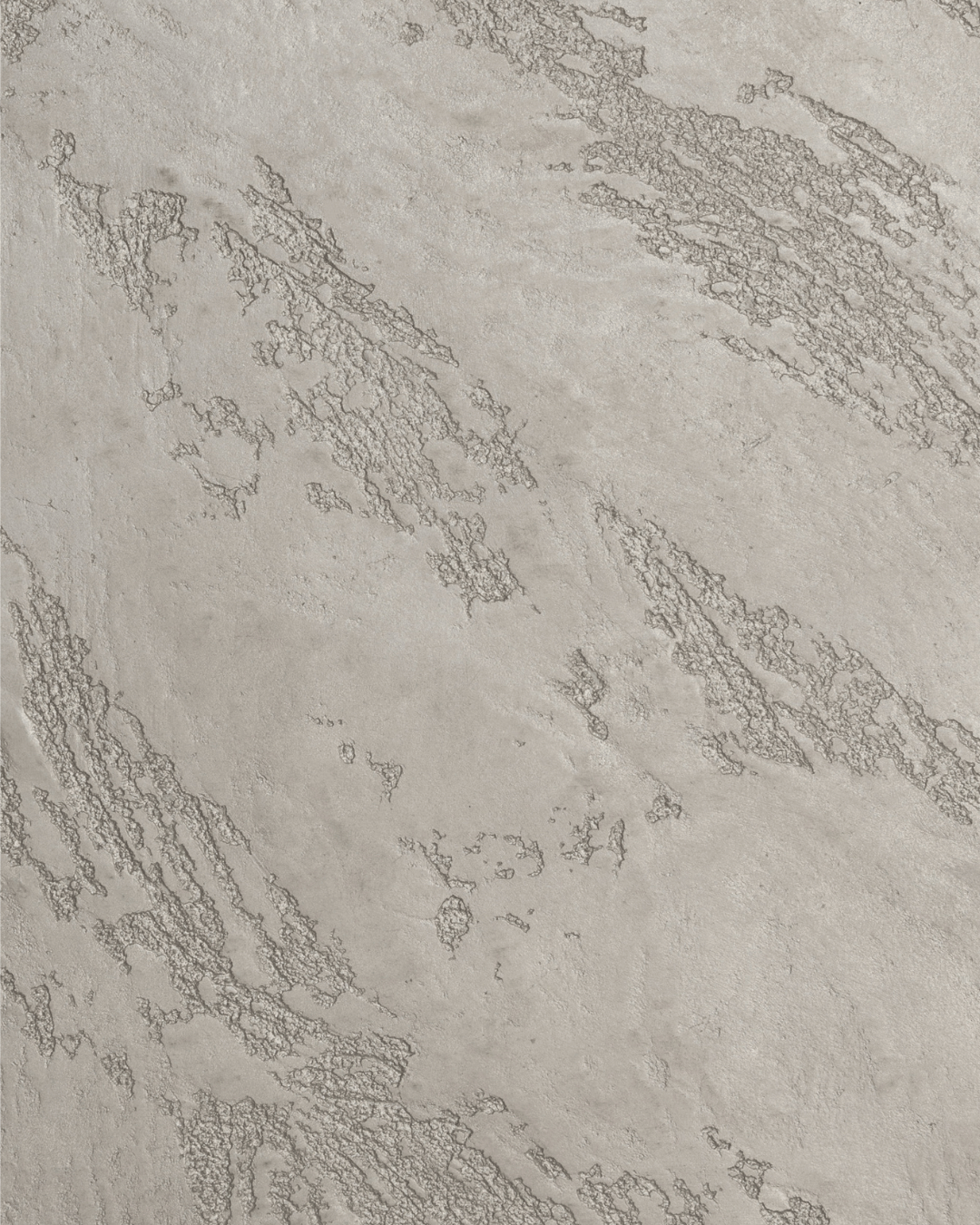
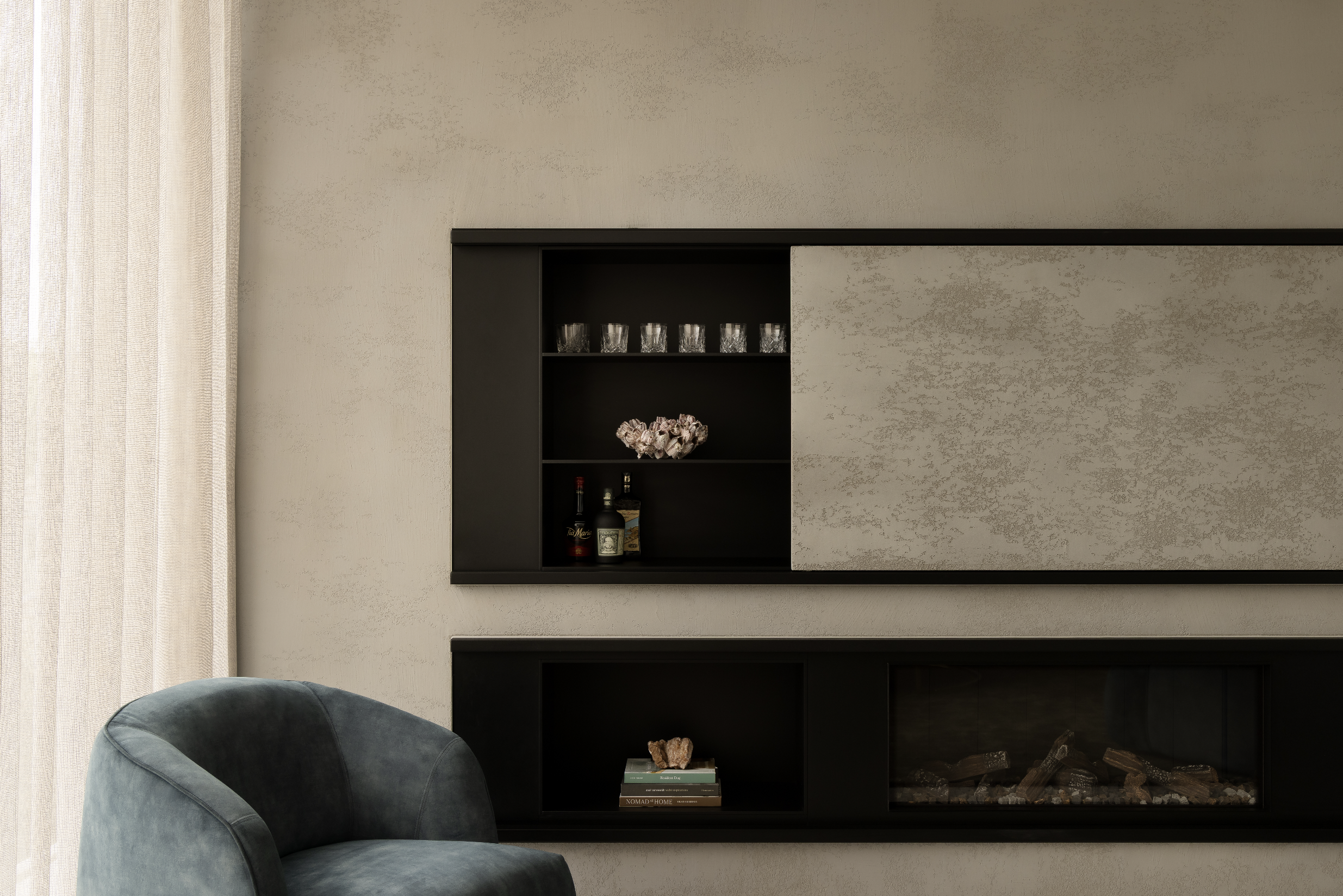
This finish was developed specially by our team to replicate the natural irregularities of raw concrete. You get an authentic earthy feel while retaining the seamless, architectural benefits of microcement.
It features pronounced texture created by spraying the Hybrid formula onto a wall before passing the trowel over it in one motion. The trowel movements used in this finish produce a more consistent colour profile, without the clouding and shading of the Hybrid Finish. It’s a more rugged yet equally refined option, suitable on internal or external feature walls and select joinery applications.
X-Bond Mineral
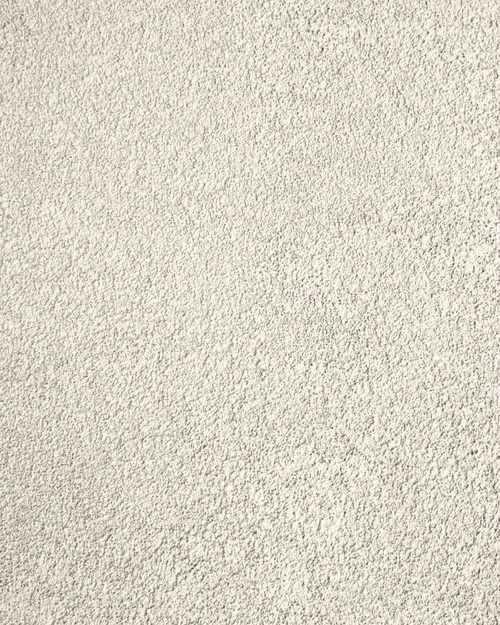
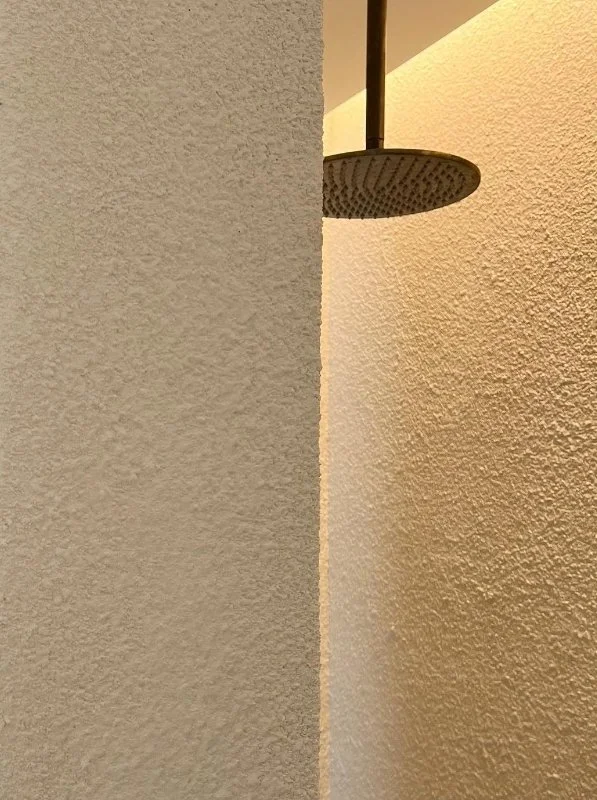
The Mineral finish is inspired by natural stone and mineral-rich surfaces. It’s sprayed onto a wall and then left to cure — resulting in a rough, bumpy stucco texture with a uniform colour finish.
It’s been specified to make a statement in bathrooms and on feature walls, but can also be used on ramp pathways.

X-Bond Blade
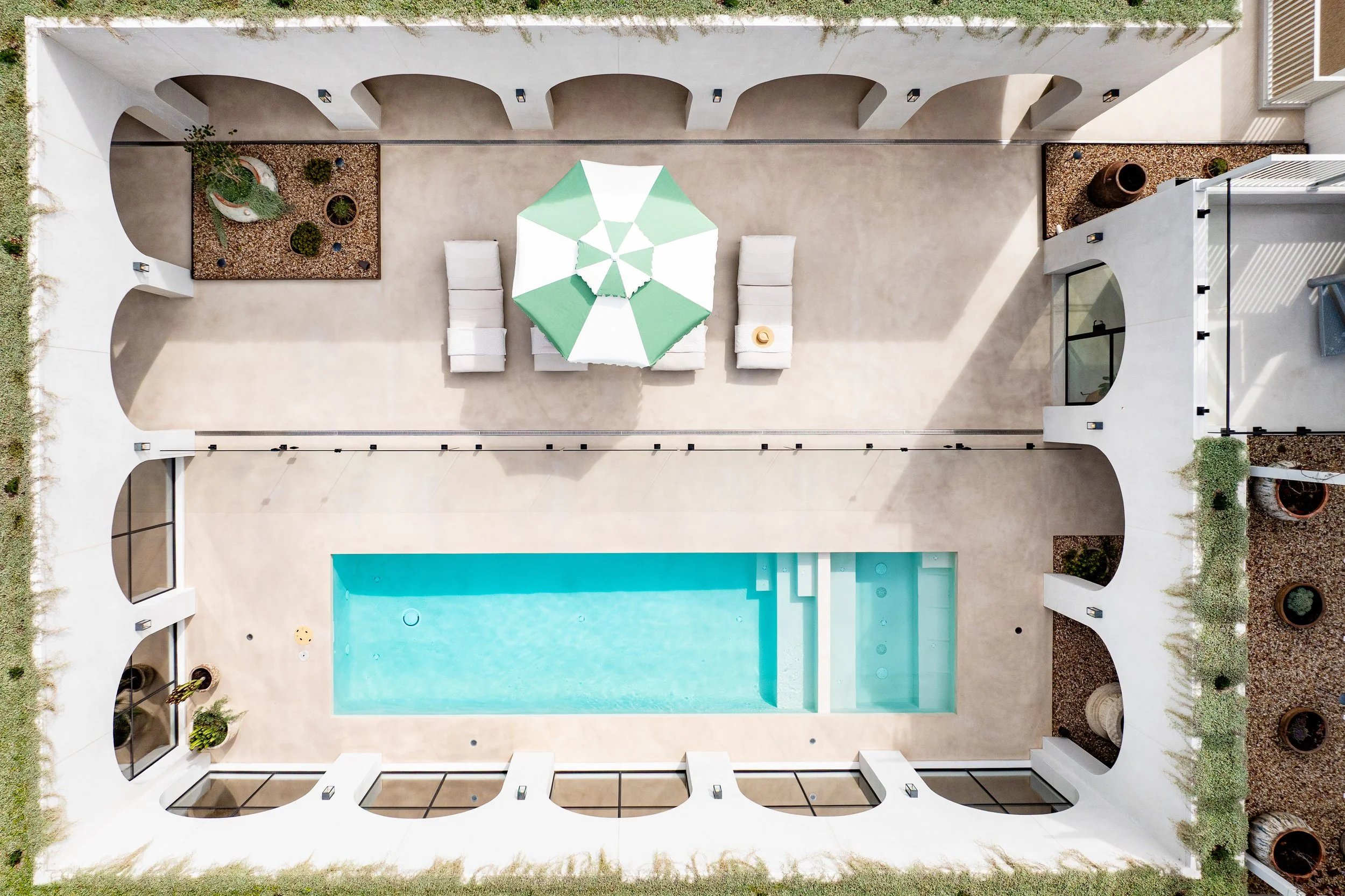
This is our recommended choice for external flooring, especially around pools. It’s named after the blades used to apply it — specialised trowels that create raised chatter marks as opposed to soft, gentle markings. We engineered this technique to achieve added grip underfoot.
Warm, Industrial, or Both?
Early microcement installations — we’re talking our projects from the ‘90s and early 2000s — often embraced an industrial concrete aesthetic, but today's finishes are far more versatile.
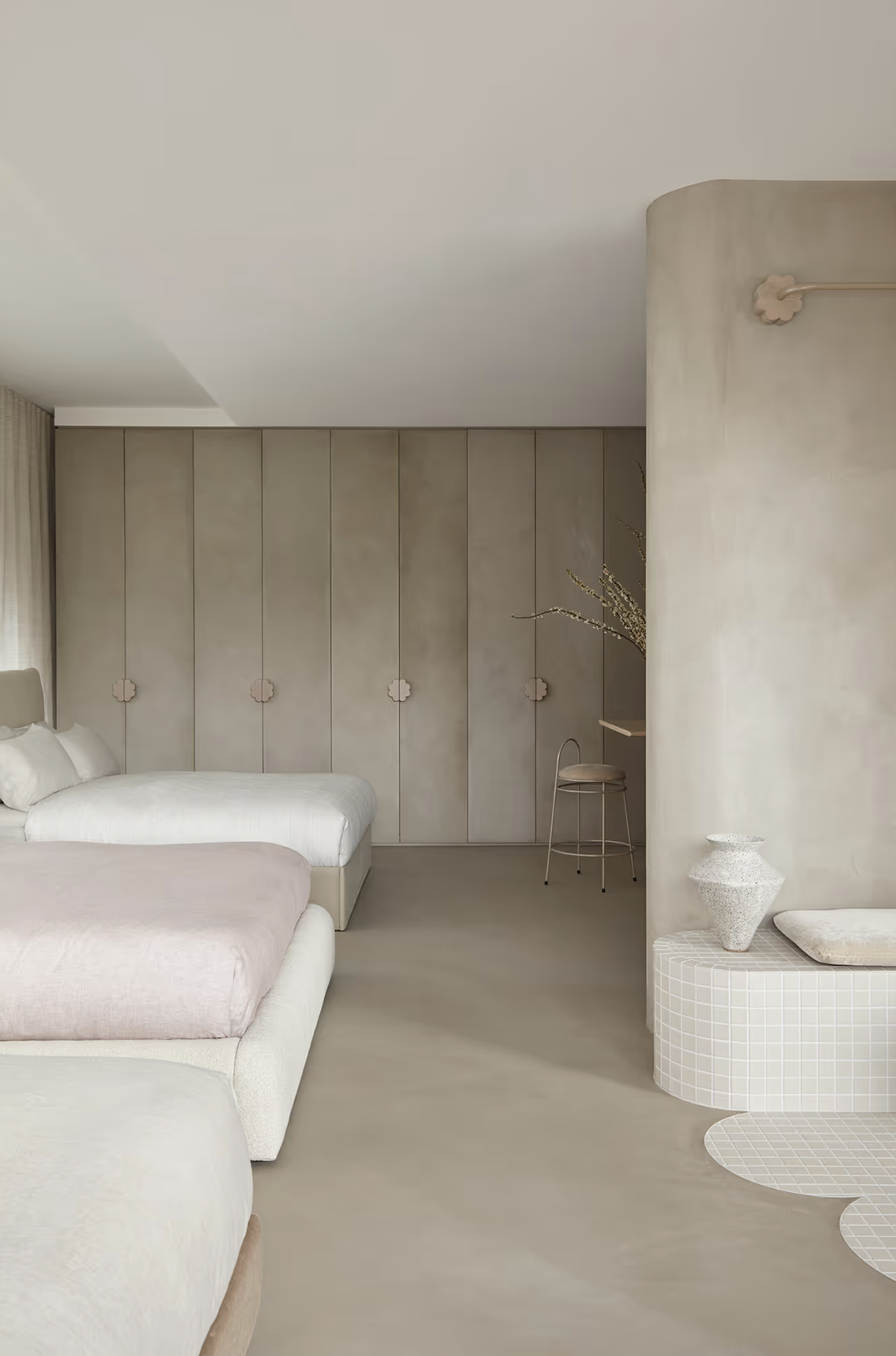
Microcement trends currently lean towards earthy and organic colour palettes, creating warmth in modern spaces. It’s about balancing a rustic and natural feeling with contemporary and minimalist design elements.
The other thing to consider is how the final look is impacted by surrounding materials.
Pairing microcement with timber, natural stone, linens, and soft lighting can create a completely different atmosphere than pairing it with dark fixtures and sleek marbles.
Related Reading:
What Pantone’s 2025 Colour of the Year Says About Design
How Lighting Affects Microcement
Because microcement contains subtle movement and texture, lighting can influence its appearance throughout the day. Natural light often highlights trowel movement and surface variation, while artificial lighting can either soften or accentuate these characteristics depending on the fixture placement. This interaction with light is one of the reasons designers value microcement so highly.
It’s also worth considering how a lighter colour selection behaves in your space versus darker shades. Colour can dramatically influence how much tonal variation and surface movement is visible. For this reason, comparing colour samples in the intended space is always recommended before making a final selection.

Visual Impact in Small Spaces
The seamless nature of microcement removes visual interruptions created by grout lines, joins, and material transitions. This continuous appearance can help open up spaces and make them feel more expansive.
For this reason, microcement is often specified in compact projects where maximising the sense of openness is a priority, such as:
Small bathroom renovations
Boutique retail environments
Indoor-outdoor connections
Why Do Designers Love Microcement?
Designers appreciate microcement for endless reasons. When it comes to appearance, it introduces depth without clutter. Rather than relying on bold patterns or excessive decoration, microcement allows texture, light, and materiality to become the focal points of a space.
Its best visual characteristics are its:
Seamless appearance
Organic movement
Natural texture
Timeless colour palettes
Architectural simplicity
But there’s so much more going on beneath the surface. Beyond its appearance, the X-Bond system has durability built into every layer. Next up, you should explore our Microcement Hub where we dive further into its performance across applications.