The What, Where, How, and Why: Microcement Bathrooms
Updated November 2025
Need bathroom ideas for your next project? You should consider microcement.
Yes, (some) microcement is suitable in wet areas. This concrete-look coating is waterproof, anti-slip, high-resistance, and grout-free. It can easily be applied to walls, floors, showers, basins, and joinery. It can also be installed over existing materials, making it a popular choice for renovating.
Our product X-Bond was one of the first microcement overlay systems in Australia. We’ve been installing it for over 25 years in a wide variety of finishes and colours to bathroom floors, walls, joinery and showers. It’s one of the only CodeMark Certified microcements, meaning it has proven deemed-to-satisfy compliance in waterproofing without the need for extra engineering sign-offs or compliance reports.
Read on as we answer frequently asked questions about applying microcement in the bathroom.


What is microcement?
Microcement is a cement and polymer coating that looks like concrete and feels like concrete, but can achieve the concrete aesthetic in ways that would typically be impractical. What you need to know is that microcement is hand trowelled at only 2-3mm thick — so it can be applied over a wide range of existing substrates on floors, walls, ceilings, and joinery. This includes concrete, compressed sheeting, plaster, villa board, brick, ply, laminate, MDF, and tiles.
While the concrete look is why it became popular, X-Bond can also achieve aesthetics similar to plaster, stone, and other natural materials; giving you design freedom where traditional materials are limiting.
Where can you apply microcement?
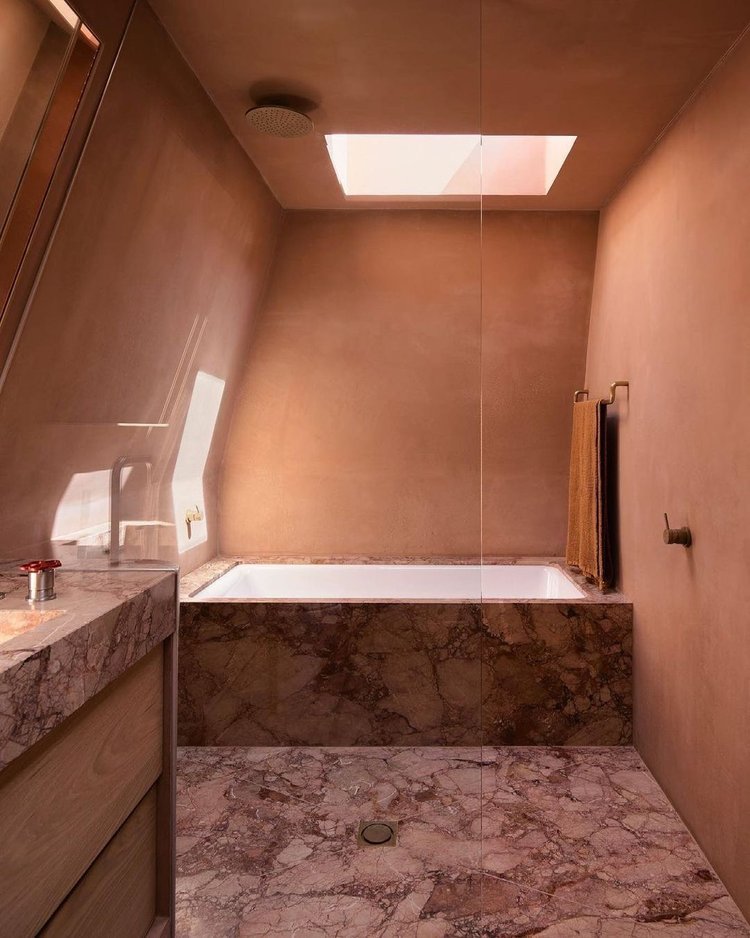
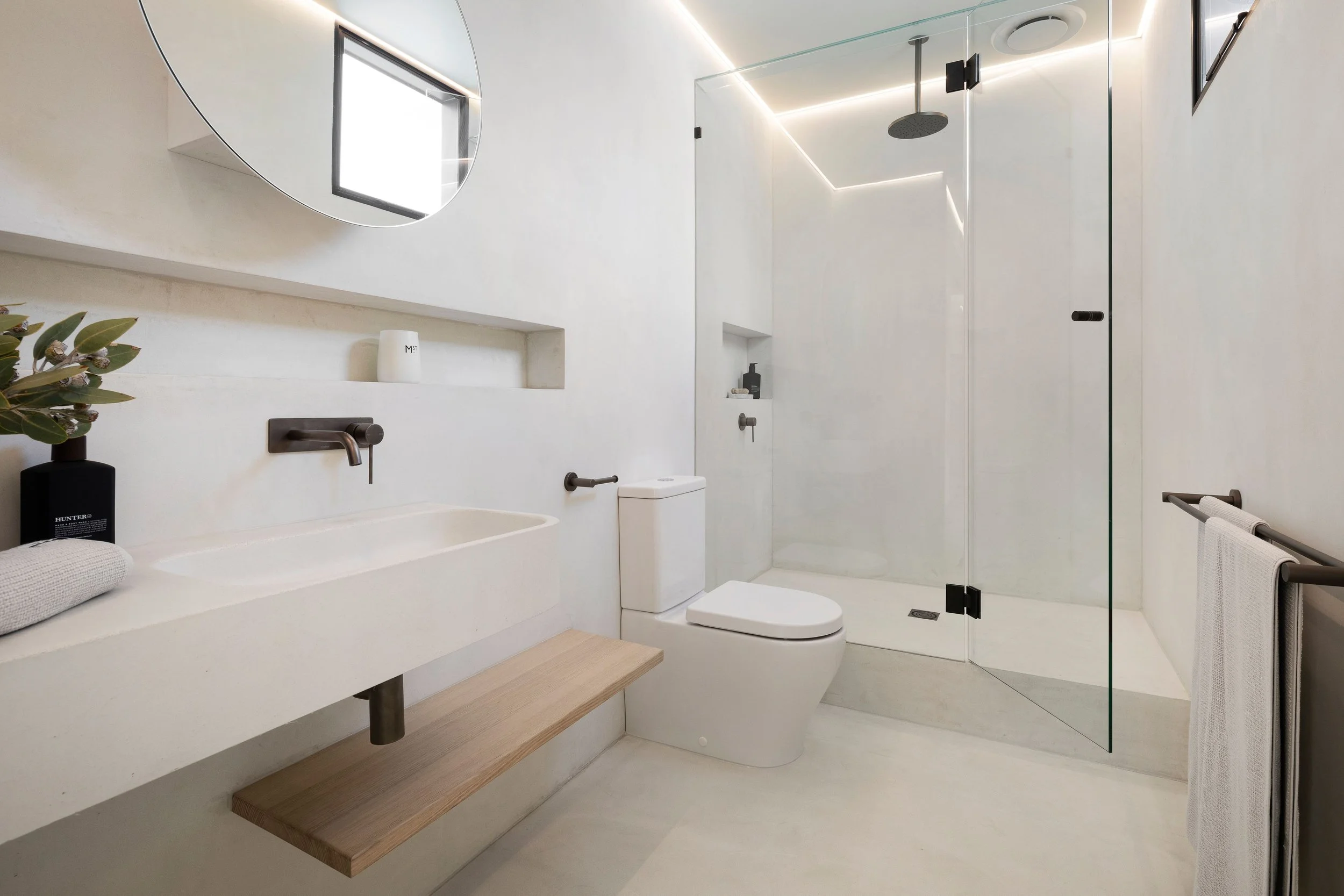
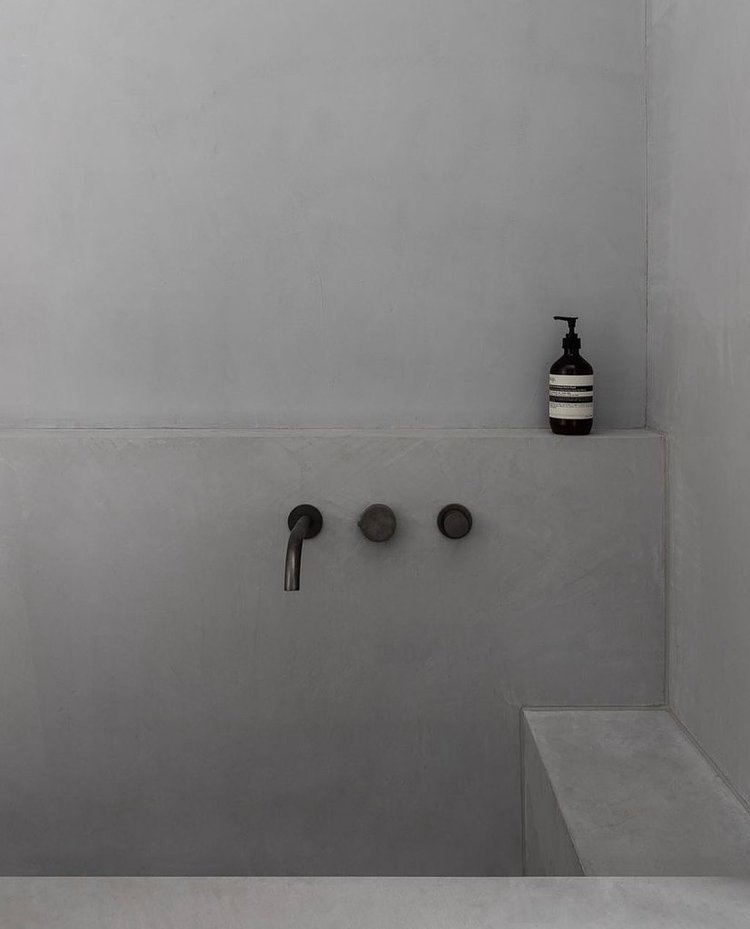
Our surfacing experts have perfected the X-Bond overlay system with the use of our Liquid Membrane, a waterproofing membrane that prepares the microcement for wet areas in just two coats. Therefore, you can put X-Bond Microcement in the shower and bath as well as all surrounding areas (floors, walls, ceilings, and joinery). It can even be used to create a sink basin.
Better yet, Liquid Membrane is also one of the most advanced anti-fracture membranes on the market. This will protect your walls and floors from cracks, while also stabilising existing substrates before resurfacing.
How do you install microcement in a bathroom?
X-Bond is hand-installed without any machinery or demolition necessary, with what we like to call the Remodel Without Removal method. Architects, interior designers, builders, and homeowners can use microcement to resurface old surfaces — achieving a concrete look without the mess, cost, and time associated with a traditional remodel.
As for how it works, essentially the strong bonding properties of polymer are what allows the microcement to adhere to a wide range of substrates — yep, including those old tiles from the ‘70s.
Related Reading: Can Microcement Be Applied Over Tiles: The Science of Adhesion


Why should you choose X-Bond Microcement?
When it comes to bathrooms, X-Bond is versatile, durable, and renovation-friendly.
The seamless overlay has a high slip-rating and is grout-free, which means it’s also hygienic and easy to maintain.
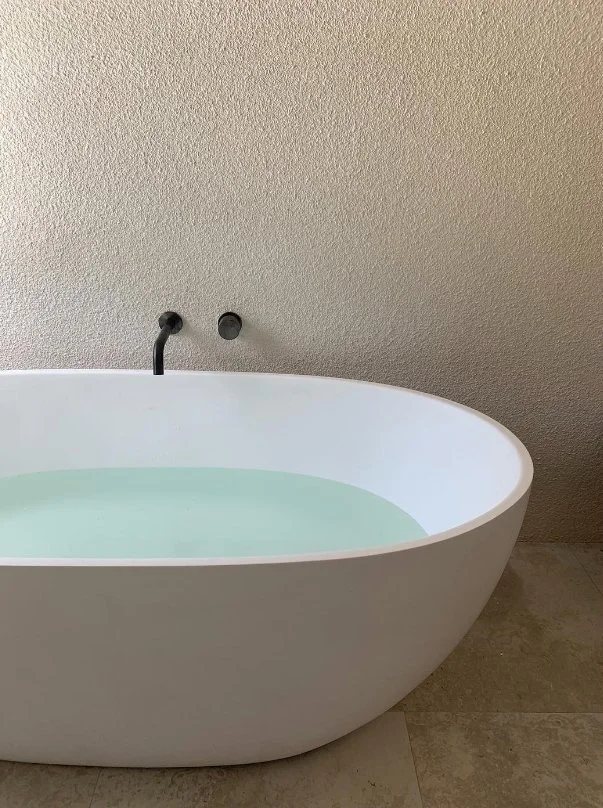
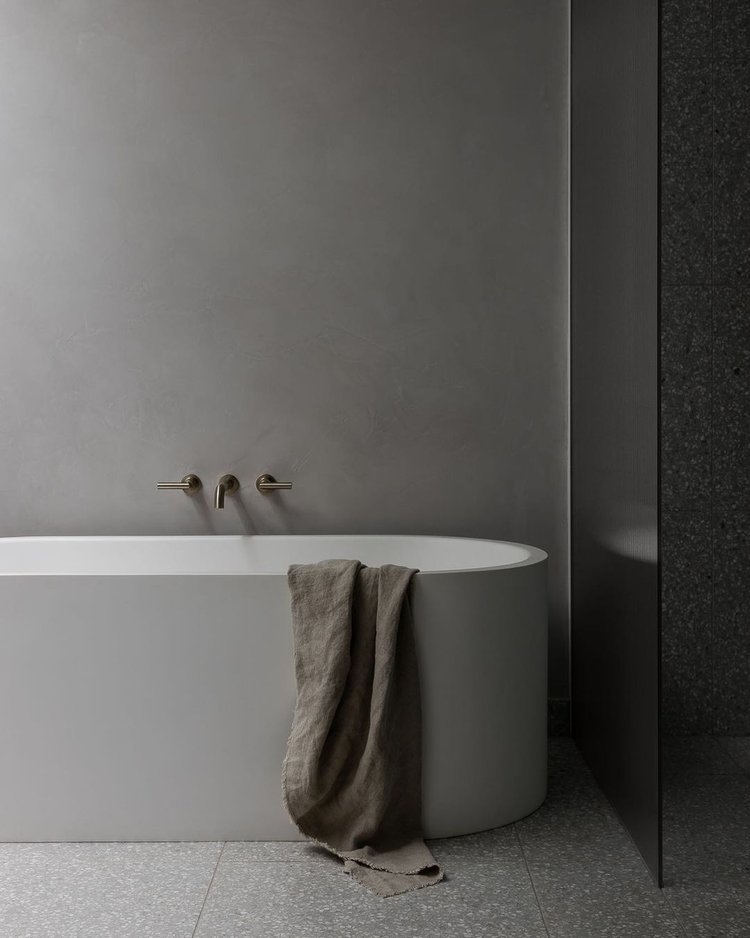
Throughout this article, we’ve included images of past projects featuring X-Bond Microcement. Every look is unique, from the smooth Micro finish to the textured Mineral finish. Some even include custom colours that we made specially for the client. If you want to work with us to create your dream bathroom, get in touch with our microcement experts.
Related Reading:
Questions About Microcement for Bathrooms
Design Ideas for Contemporary Bathrooms
Alt. Favourites: Microcement Bathrooms
For more inspiration on bathroom design, follow us on Pinterest and Instagram where we share updates on projects.
Want to learn more about Microcement? Take me to the microcement hub.