
The Principles of Timeless Home Design
Design trends are constantly evolving, especially with today’s accelerated trend cycles. The colours, finishes, materials, and styling preferences that feel fresh and contemporary now can quickly become dated. Have you ever wondered why some homes seem unaffected by these shifts? Whether built one year ago or twenty, they continue to feel relevant, tasteful, and beautifully resolved.
The difference lies in a set of timeless design principles. Rather than relying on fashionable features or aesthetic trends, enduring homes prioritise things like proportion, craftsmanship, and durability.
While timeless design can take many forms and looks different for different clients, here are the key elements that consistently contribute to homes that age well.

Materiality Matters
One of the defining characteristics of timeless architecture is the thoughtful use of materials.
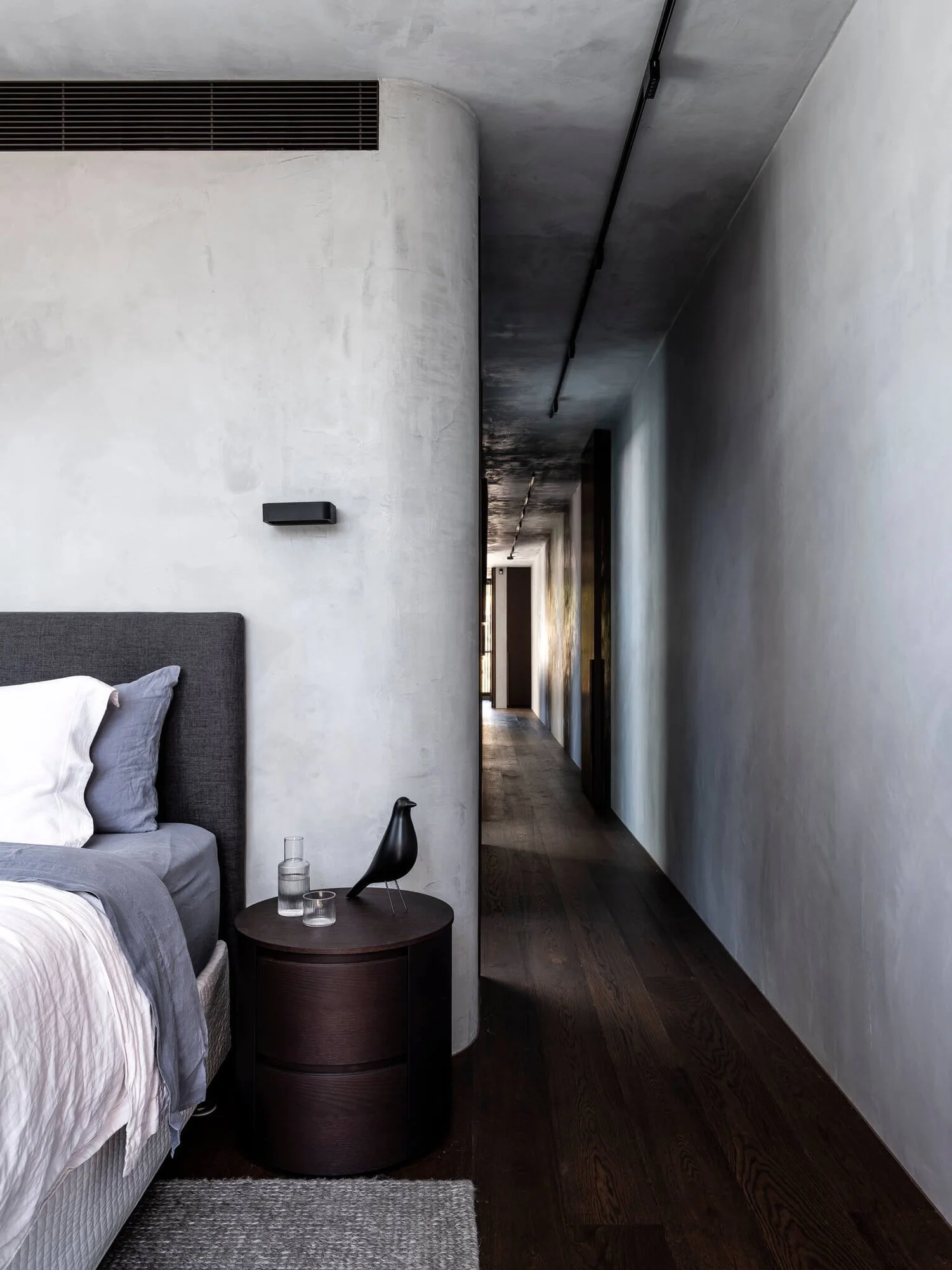
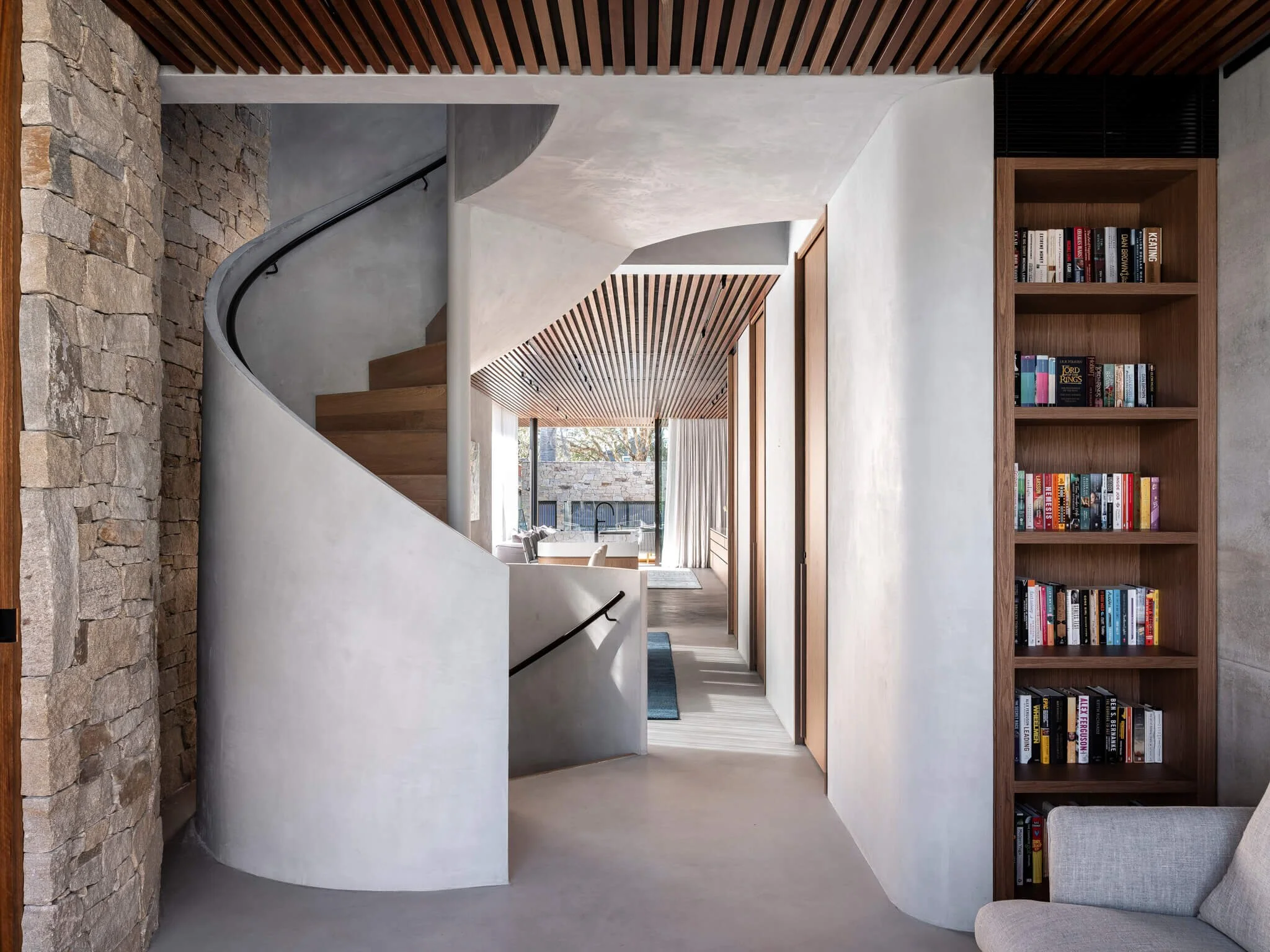
Natural and architectural materials tend to have an enduring appeal because they are valued for their intrinsic qualities rather than their association with a particular design trend. Timber, stone, plaster, and concrete-look finishes have been used in architecture for decades because they offer texture, authenticity, and depth. These finishes contribute to a sense of permanence within a home.
This appreciation for honest, tactile materials is one of the reasons microcement has remained relevant for so long. Having worked with X-Bond for almost 30 years, we've seen it consistently specified in projects where timeless design is prioritised over passing trends.
Material selection should never be an afterthought. In many cases, it forms the foundation of a timeless interior.
A Restrained Material Palette
A common mistake in residential design is introducing too many competing finishes within the same project.
When every room features a different flooring material, wall treatment, colour, or statement element, the result can feel disjointed and visually overwhelming. What feels exciting and distinctive during the design phase becomes tiring over time.
A more restrained approach creates consistency. Because the design is not reliant on a collection of individual statement pieces, it is less likely to feel dated as tastes change over time.
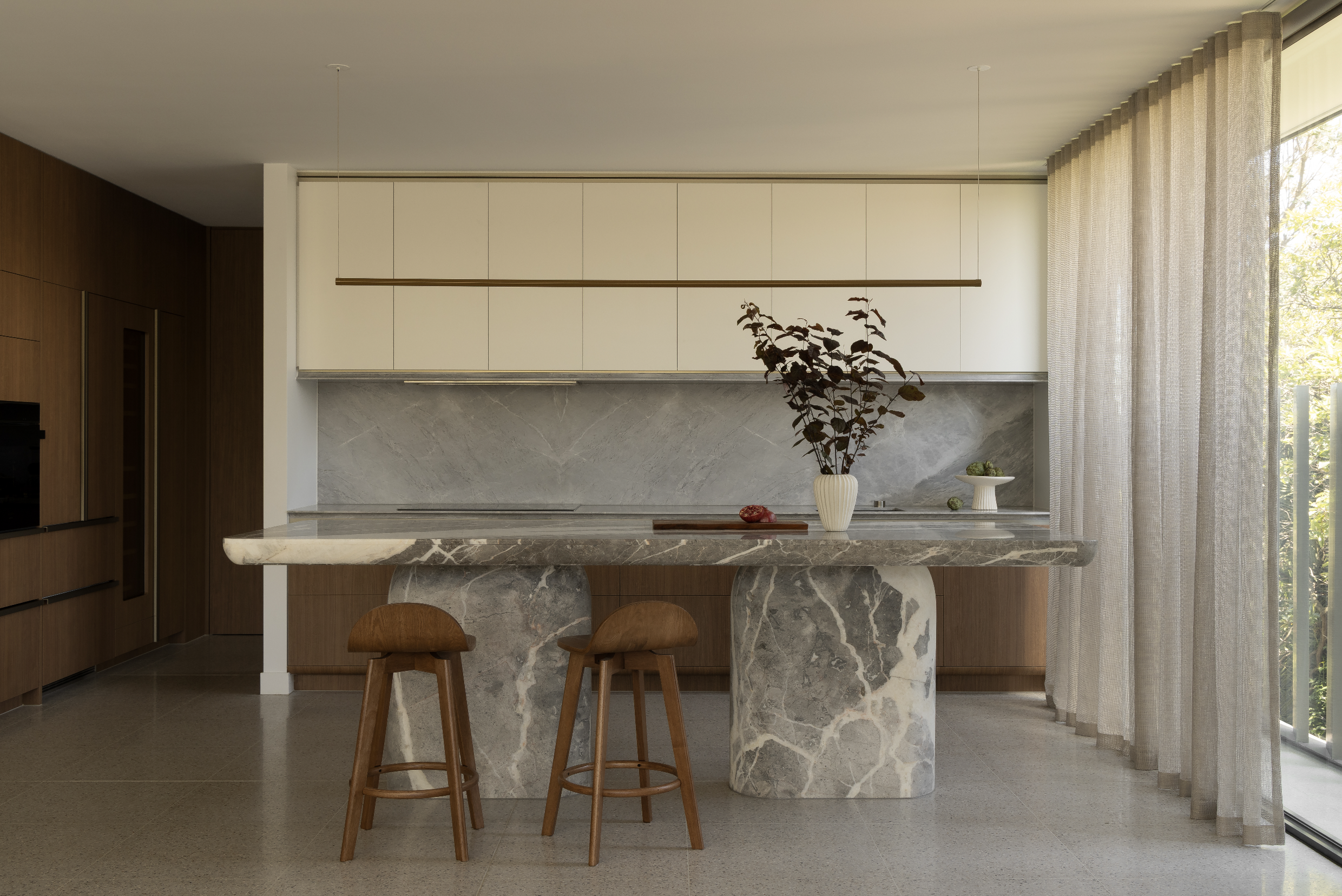
This means working with a limited palette of carefully selected materials that are repeated throughout the home. Rather than relying on variety for interest, timeless interiors use repetition to create a unified environment. The richness comes from texture, scale, tone, and the way materials interact with one another.
Read More: Our Favourite Neutral Wall Finishes
Prioritising Proportion Over Decoration
Homes that age well often derive their appeal from proportion rather than decoration.
Well-balanced spaces rarely need excessive ornamentation to feel impressive. Ceiling heights, surface dimensions, natural light, and the relationship between spaces all contribute to how a home is experienced.
When these architectural fundamentals are considered carefully, interiors can feel generous, balanced, and comfortable regardless of the prevailing design trends.
Decoration can easily be changed. Bad proportions are hard to undo, and good ones remain valuable indefinitely.
The Role of Texture
Timeless interiors are rich in texture rather than visual clutter.
Subtle variations in surface finishes create depth and interest without overwhelming a space. Timber grain, natural stone, hand-applied microcement trowel markings, velvet fabrics… It all contributes to building character in the environment.
Texture also plays an important role in how light interacts with a room. Throughout the day, changing shadows and highlights create movement across surfaces, bringing warmth and depth to the interior.
This understated richness is often what distinguishes a thoughtfully designed home from one that relies on bold trends or statement features.

Designing for Longevity, Not Trends
Many design trends emerge quickly and disappear just as fast.
While trends can be a valuable source of inspiration, timeless homes tend to avoid making major design decisions based solely on what is currently fashionable. Be careful specifying things that are overtly tied to a particular design trend or era. Focus on principles that have demonstrated their longevity over time.
This does not mean a home must feel traditional, conservative or starkly minimal. Contemporary, eclectic, and maximalist architecture can be highly timeless when it prioritises cohesion, quality materials, and thoughtful detailing.
The goal is not to avoid modern or bold design, but to create spaces that will continue to feel relevant as tastes evolve.
If you’re interested, we rounded up the 2026 design trends that we think will really stand the test of time.
The Value of Craftsmanship
Quality craftsmanship has a lasting impact on how a home is perceived. Carefully executed joinery, precise detailing, and expertly applied finishes all contribute to a feeling of quality that remains evident long after construction is complete.
In a practical sense, good craftsmanship also ensures your home stays in good condition, reducing the likelihood of premature wear or visible defects — which are the quickest ways to date a space. This is why engaging skilled applicators of your finishes is so important.
Equally important is how materials weather over time. Do they develop better character through use and exposure? Or will lack of maintenance result in ugly wear and tear? These are things to be considered at the specification stage. Which brings us to…
Designing for Everyday Living
A timeless home is not only beautiful; it is functional. The most enduring interiors are designed around the realities of daily life. They support the routines, habits, and needs of the people who live within them while maintaining a strong architectural identity.
Comfort, practicality, durability, maintenance, and adaptability are all important considerations. Homes that work well tend to remain relevant because their value extends beyond appearance alone and ties into the lifestyles of the inhabitants.
Good design is ultimately about improving the experience of living in a space.
Read Next: Busting Durability Myths About Microcement
So, there you have it — everything we’ve learned about timeless design over a 25+ year career in premium finish installation.
Homes that age well are the result of thoughtful decisions that prioritise longevity over fashion. A focus on materiality, proportion, texture, craftsmanship, and functionality is how architects are creating homes that remain tasteful and relevant for decades.
While trends will continue to evolve, these principles provide a foundation for spaces that stand the test of time. Homes that feel just as special years from now as they do today.