
Can Microcement Handle Coastal Conditions?
Building or renovating near the coast comes with unique challenges. While the location may be unbeatable, coastal environments can be harsher on building materials than inland locations.
Salty sea air, more intense UV exposure, summer storms, fluctuating temperatures and high humidity can all contribute to premature deterioration if the wrong materials are specified.
So, is microcement suitable for beach house exteriors?
The answer depends on the quality of the system being used and, more importantly, how it has been installed and protected. Professionally installed, high-performance systems like X-Bond have been used successfully in coastal homes throughout Australia for decades.
In this guide, we'll explore how microcement performs in coastal environments and the key characteristics that make it well suited to these conditions.
Read Next: The Comprehensive Guide to Microcement for Exteriors
UV Stability
One of the biggest considerations for any exterior finish is how it performs under prolonged sun exposure.
Many decorative coatings can fade, yellow or become brittle over time when exposed to ultraviolet light. This is particularly important in coastal Australia, where UV levels are among the highest in the world.
Microcement systems like X-Bond — ones that are designed for both internal and external use —will be finished with UV-stable sealers that help maintain the appearance of the surface while protecting it from sun exposure.
We’ve installed X-Bond microcement on exterior walls and facades, entertaining areas, pool surrounds, and other outdoor applications where long-term durability is essential.
See it in action at this Sorrento beach house.
Resistance to Salt Air
Over time, airborne salt can contribute to the deterioration of many exterior building materials, particularly where moisture is also present.
Because microcement forms a continuous, sealed surface, there are no joints, grout lines or exposed edges where salt deposits can easily accumulate. The sealer is also designed to resist staining — but, like any material, it does require some maintenance to keep the finish looking its best (which involves simply hosing the surface down).
Moisture & Humidity Performance
Coastal environments naturally experience higher humidity levels. Unlike some materials that can swell, warp or react to moisture, most microcement systems include waterproofing as part of the substrate preparation process.
Alt Surfaces X-Bond applications are CodeMark certified for wet areas — including external surfaces — as it comprises a liquid waterproofing membrane that prevents moisture ingress.
Along with the sealer which helps protect against rain and topical weather exposure, this ensures exterior X-Bond finishes are fully waterproof.
Be mindful of any pre-existing moisture issues regarding the substrate. These should be identified and rectified before a microcement system is installed. Our team will be able to conduct a thorough assessment for you.
Learn more about how we assess microcement substrate suitability.

Flexibility for Temperature Changes
Exterior surfaces constantly expand and contract as temperatures change throughout the day and across the seasons.
Not all microcement systems are designed to handle this — as an overlay, microcement’s longevity is dependant on the stability of the surface underneath.
This is why X-Bond incorporates advanced polymer technology that provides a higher degree of flexibility than other microcements, helping it accommodate normal substrate movement with less risk of cracking like a more rigid cement finish.
As with any exterior finish, correct substrate preparation and movement mitigation (often using our anti-fracture membrane) remain critical for long-term performance.
Read More: Our Guide to Microcement Overlays & Resurfacing
Low Maintenance Living
Many homeowners choose to live by the coast for its relaxed lifestyle, and maintenance requirements often play an important role when selecting materials. This is especially true for holiday homes, which may sit vacant for extended periods or be occupied by seasonal guests. Choosing durable, low-maintenance finishes can help reduce ongoing upkeep while ensuring the home continues to look its best between visits.
Unlike tiled surfaces — including the kind of large format stone slabs popular around pools — microcement has no grout joints to clean. And unlike timber, it’s not prone to wear and doesn't require ongoing sanding, staining or oiling.
Regular sweeping and occasional hosing is generally all that's required for everyday maintenance. Properties located directly on the beachfront may simply benefit from more frequent rinsing to remove salt residue.
Ideal for Coastal Architecture
Beyond its technical performance, microcement complements the architectural language commonly seen in coastal homes. While it can be customised with a series of tactile, hand-applied finishes in coastal projects we most commonly use the X-Bond Hybrid finish.
This achieves the “classic” microcement look with those subtle trowel markings and tonal variations, which draws inspiration from Mediterranean architecture — a design language synonymous with relaxed, beachside living.
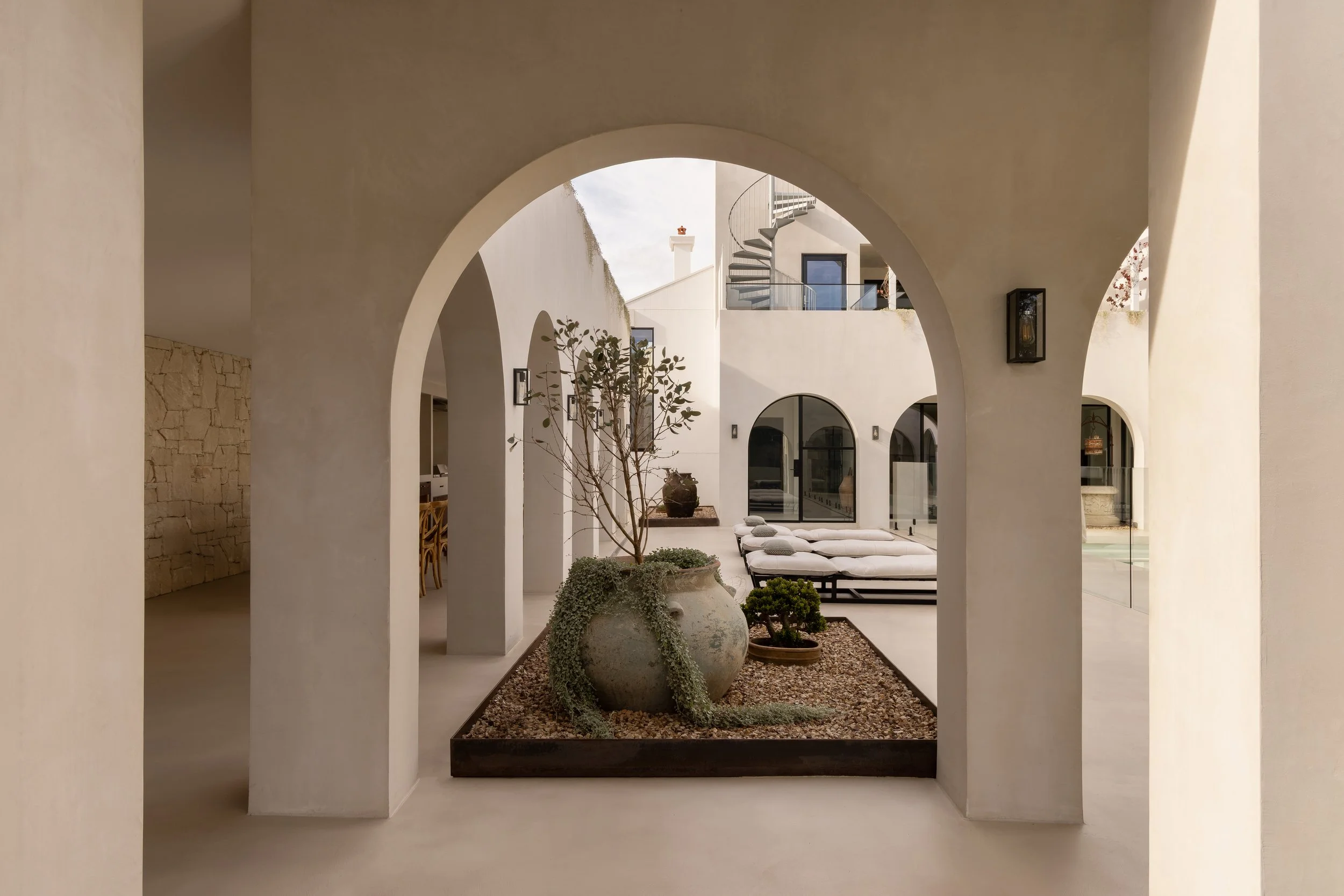
Microcement’s versatility also allows specification almost anywhere, so it can be used to bring architectural visions to life across walls, floors, ceilings, joinery and furniture both internally and outside.
Professional Installation Matters
Not all microcement systems perform the same. Long-term durability in any environment, whether it’s by the beach or in the city, depends on several factors:
Correct substrate preparation
Correct installation by skilled professionals
High-quality sealers
Ongoing maintenance in accordance with manufacturer recommendations
Alt Surfaces has been installing X-Bond since 1999 because it was engineered specifically to withstand demanding conditions, including coastal Australian environments.
Here are some things to know before choosing a microcement installer.
So, Is Microcement Suitable for Coastal Homes?
Yes, provided you're using a high-quality system installed by experienced professionals.
With benefits such as UV stability, protection against moisture, polymer-modified flexibility, and a seamless finish that complements contemporary coastal architecture, X-Bond is the perfect choice.