
What Substrates Microcement Can’t Be Applied Over
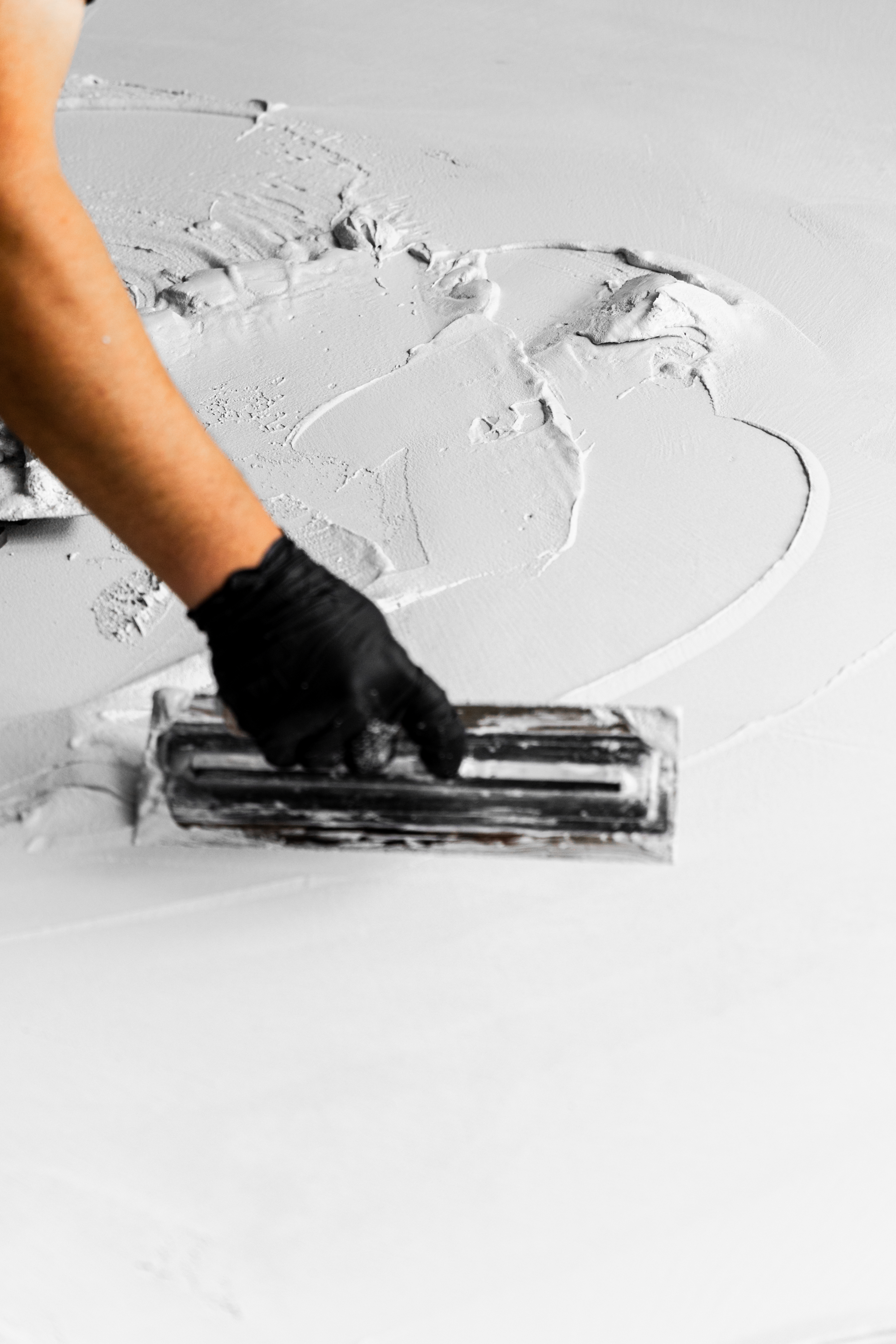
Microcement is often marketed as a surface that can be applied “over anything.” While products like X-Bond are compatible for application over a wide range of surfaces, and it’s rare that a substrate is fully unusable, there are some conditions that need to be met prior to application.
Microcement is a thin, cementitious coating system. It doesn’t behave like tiles or floating floors — it mirrors the movement, cracks, and weaknesses of whatever sits underneath it.
If the base surface:
shifts significantly,
is uneven or soft,
has moisture absorption issues, or
lacks adhesion,
the microcement on top can crack, delaminate, or stain.
Surfaces Microcement Should NOT Be Applied Over
1. Flexible or Moving Substrates
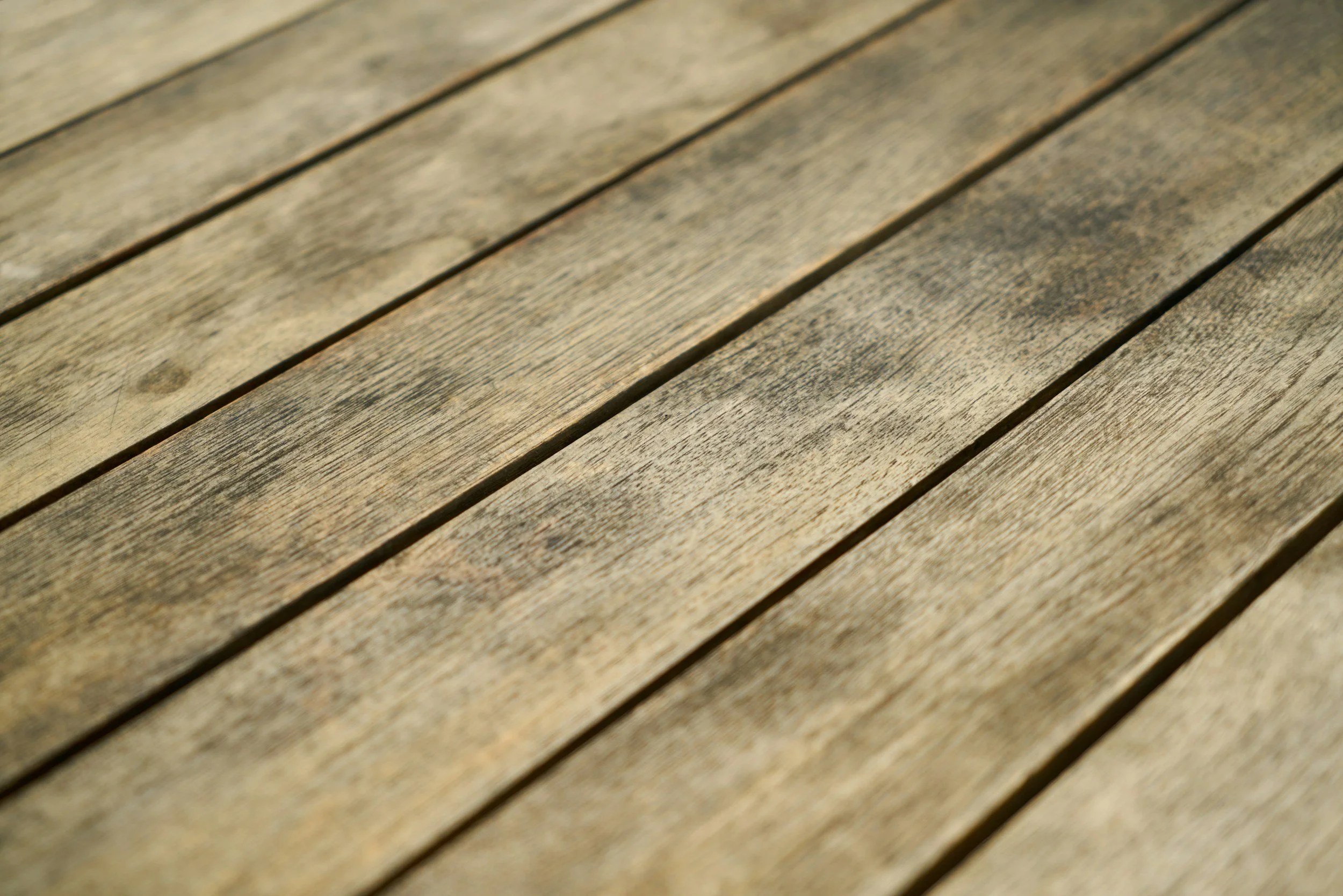
Significant movement in a substrate can transfer through to the finished microcement surface, causing hairline cracks. Therefore, flexible substrates such as timber floors will work only if fully stabilised with correct reinforcement systems.
To help combat this, we use X-Bond because it’s the most flexible microcement on the market, and accommodates natural settlement without a high risk of cracking — but even the best product won’t be immune to significant substrate movement, which is deemed substrate failure. We won’t apply X-Bond over substrates if we predict that will be the case.
2. Soft or Bumpy Materials
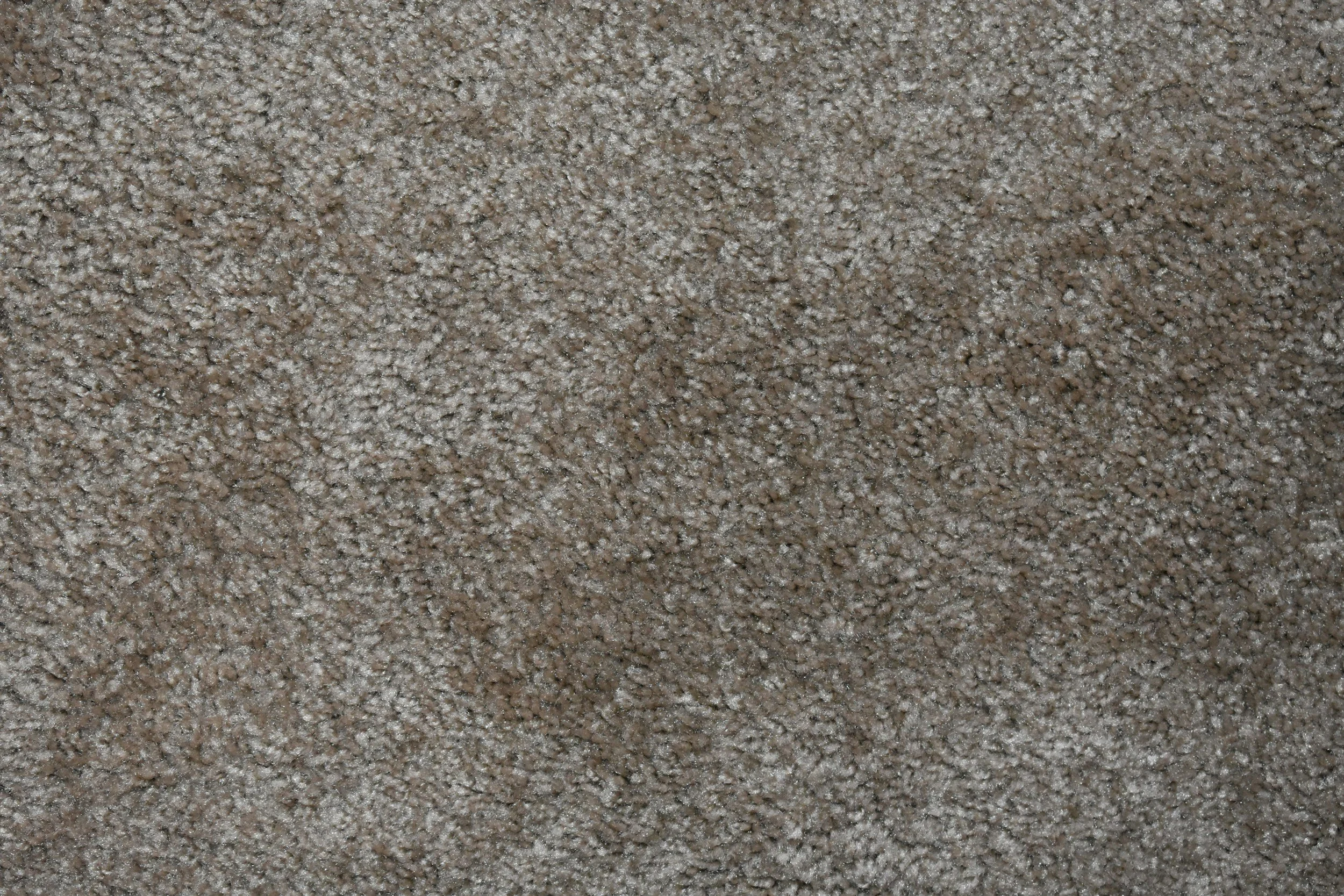
Examples: carpet or popcorn ceilings.
Microcement requires a hard, stable, and smooth substrate. Soft or cushioned materials are not suitable, and neither are uneven or rough surfaces. When microcement is applied over these materials, surface deformation is almost guaranteed.
Remodel without removal isn’t an option here — the solution is returning the substrate to a solid, rigid, even base capable of supporting a bonded cement system, whether that means ripping up carpet or scraping stipple off the ceiling.
3. Cracked Concrete
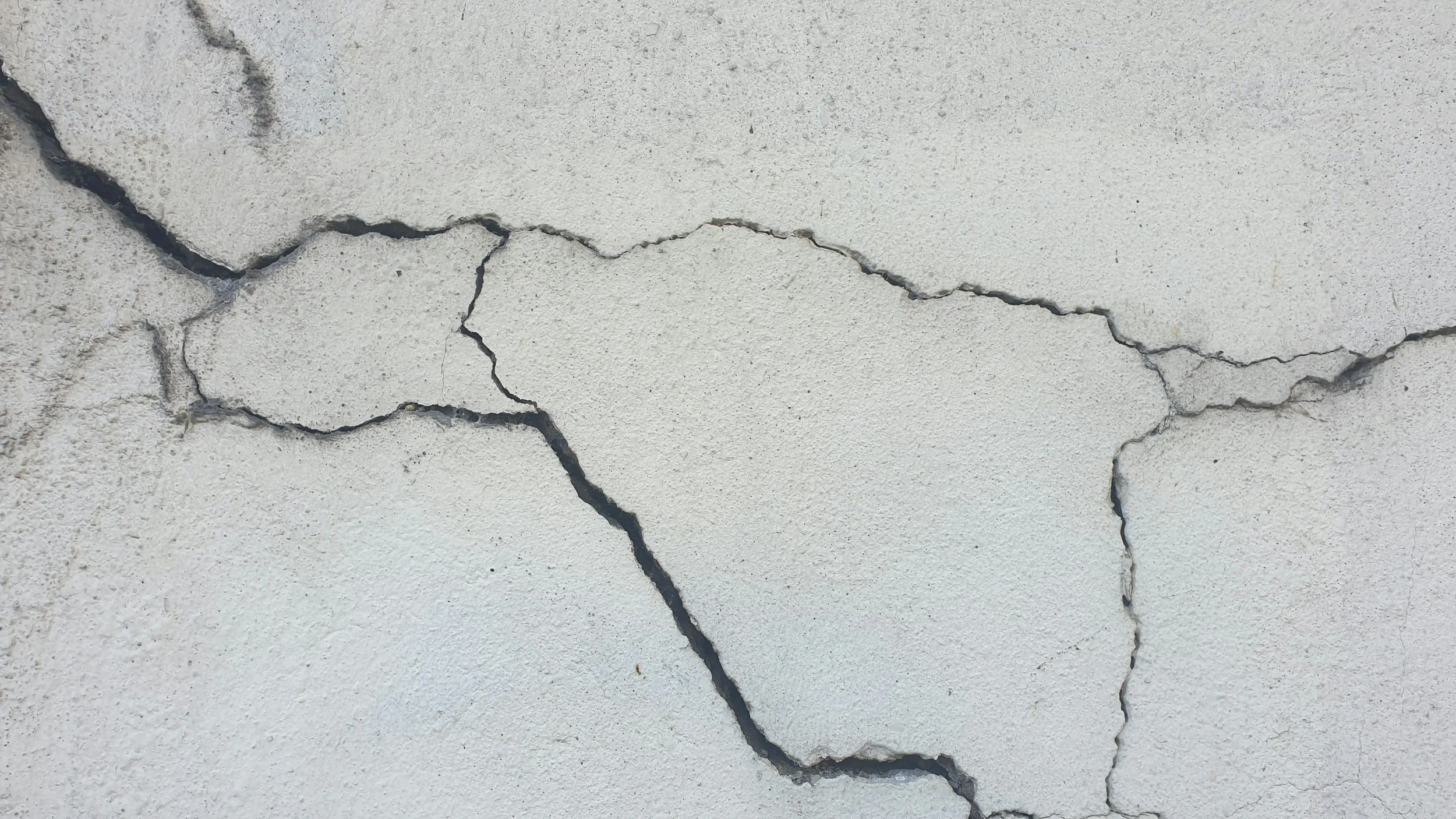
There are many reasons why you should resurface concrete with microcement. However, if an existing slab is crumbling or extremely damaged, we can’t just apply microcement straight over the top. It’s not a levelling compound or crack-bridging membrane; prep is key.
When resurfacing with microcement, static hairline cracks in substrates can be treated — active cracks cannot (cracks that continue to widen or shift over time). Knowing the difference is important. To create a suitable concrete base for X-Bond, we need to be able to repair any damage and ensure stability.
Here’s everything you need to know about microcement overlay resurfacing.
4. Damp or Moisture-Affected Surfaces
Examples:
Rising damp concrete
Poorly waterproofed bathrooms
External slabs without moisture barriers
All microcements need to include waterproofing as part of the system; microcement by itself is porous, and not inherently waterproof. That’s why liquid membrane waterproofing is part of the X-Bond installation system — which is how it’s earned its CodeMark certification for wet areas — as well as a topical sealer. Sealing alone will not stop rising damp, just as the absence of a sealer will not prevent water ingress. They’re both non-negotiables for X-Bond Microcement application in wet areas.
5. Poorly Bonded Tiles or Loose Surfaces
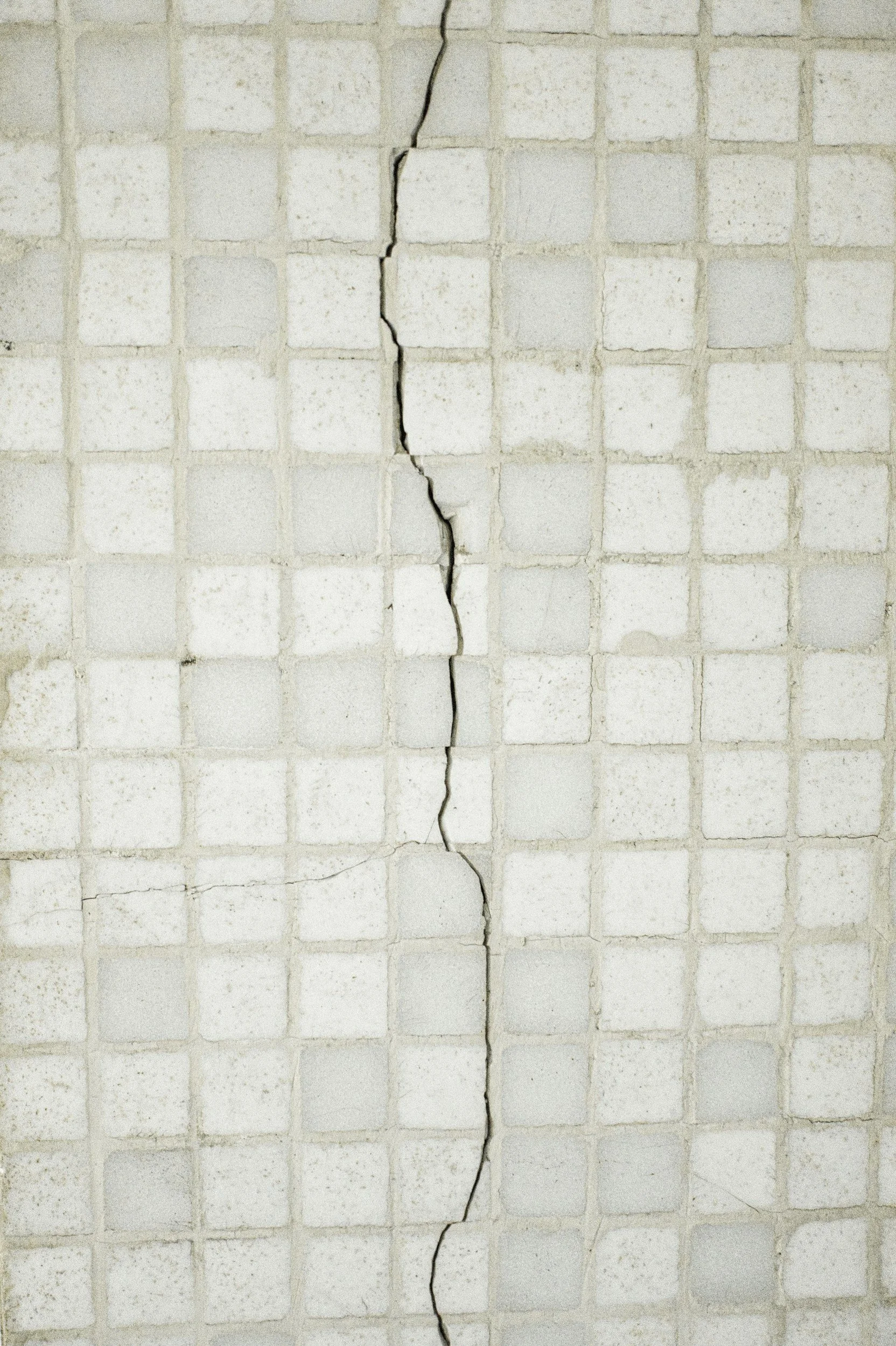
Before resurfacing tiles, we’ll check if there’s any lifting, hollow sounds, or loose screeds. Microcement bonds to tile, but the tile needs to be in good condition. If even one tile is loose, the entire area should be re-evaluated.
Prior to resurfacing tiles, we’ll also level the area if the tile and grout create an uneven surface. Microcement needs to be applied in smooth, even layers. As mentioned, it’s not a self-levelling product — it follows the substrate’s shape (although it can be slightly built up in certain applications).
6. Surfaces with Contamination
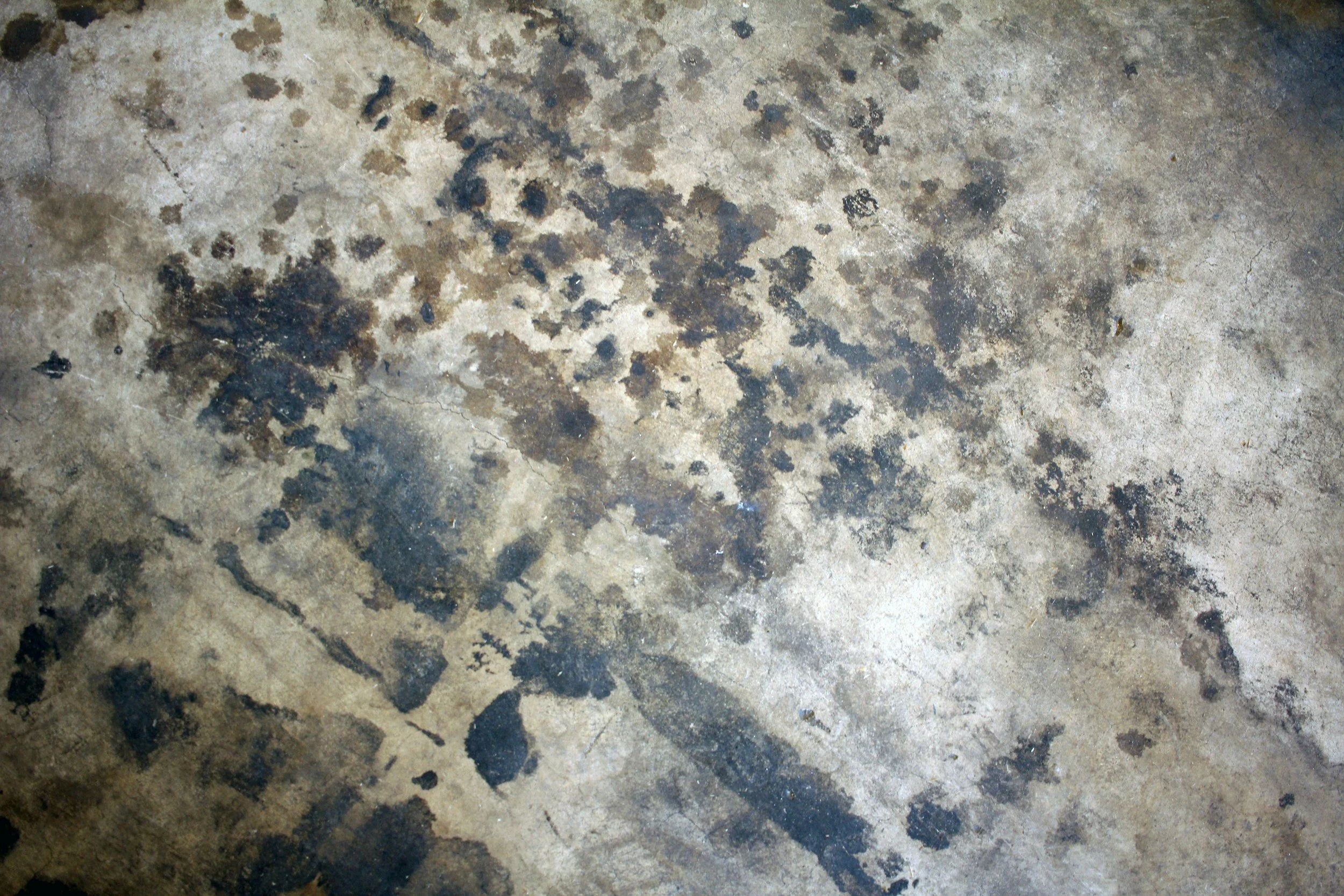
Grease-soaked, waxed, or previously coated surfaces need to be prepared prior to microcement application. Any contaminants will block adhesion, causing patchy bonding or peeling. Cleaning alone isn’t enough; it will require some mechanical preparation like grinding.

Common Myth: “Microcement Can Go Over Anything”
Microcement is not a levelling compound, not a structural repair, and not a shortcut over bad surfaces. When installers skip substrate assessment, this is the most common cause of issues. That’s why the success of your project depends on choosing the best microcement installer.
Before applying microcement, experienced applicators assess:
structural movement
moisture content
adhesion strength
substrate stability
environmental conditions
If a substrate is unsuitable, a good applicator will then be able to take the best course of action to make it work — and a great applicator will be transparent if microcement is not the system for you.