
Microcement Bathrooms: Seamless Waterproof Finish Over Tiles & More
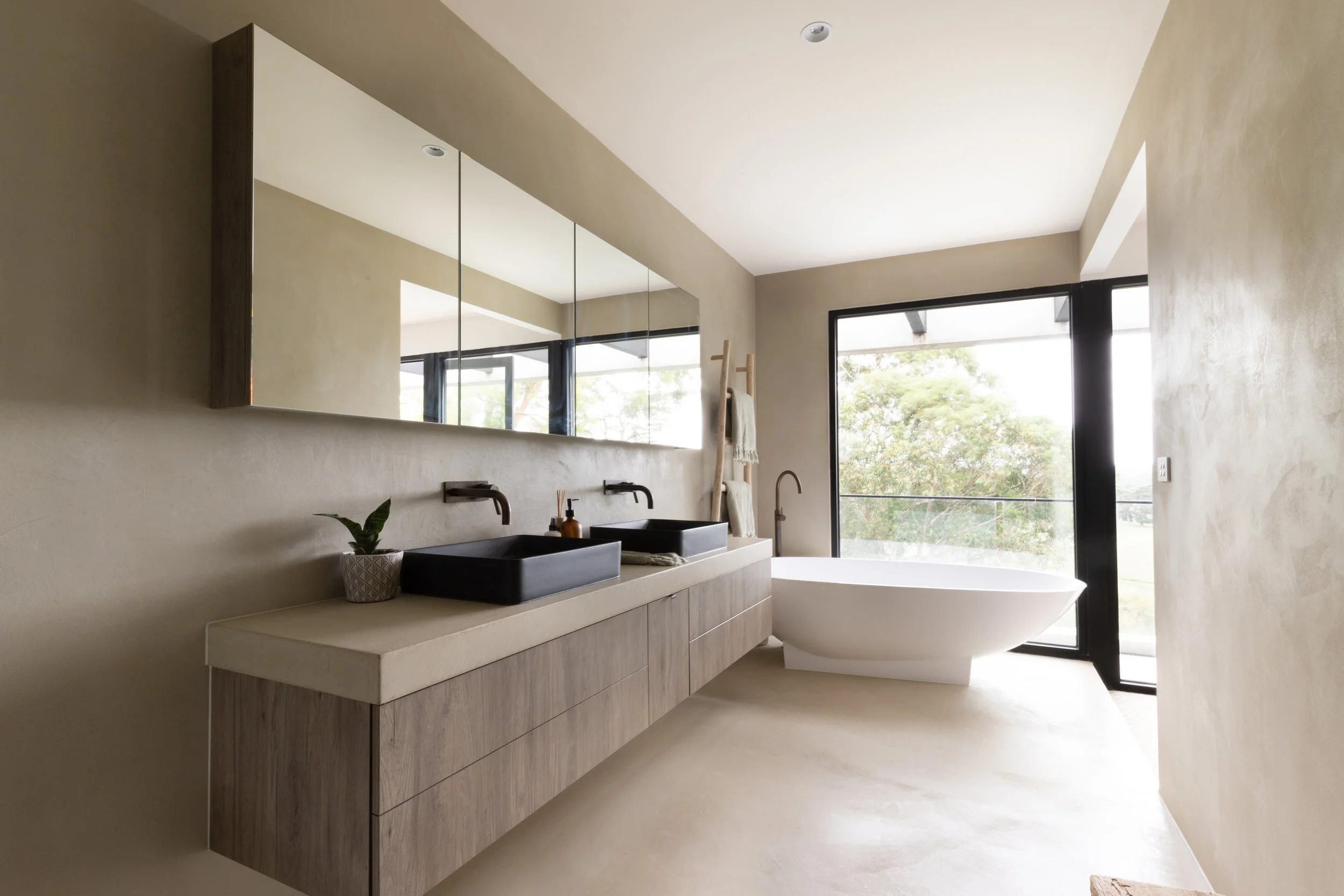
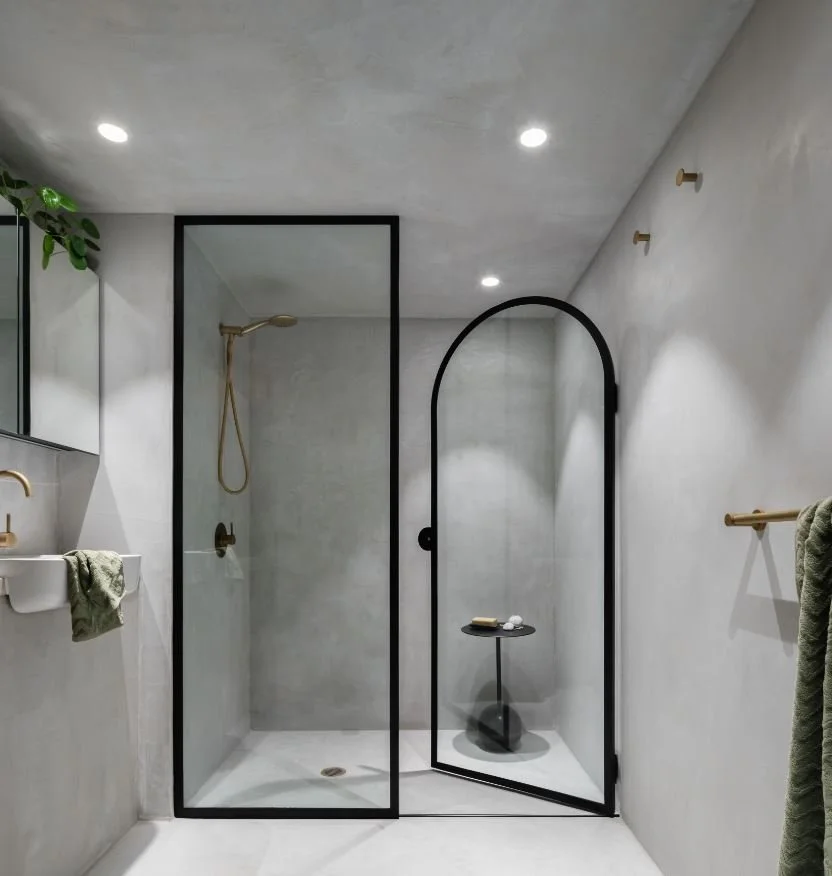
Here’s something you might not know: microcement can be installed in wet areas. That includes showers, bathroom floors, walls, sinks and countertops. Achieve a waterproof, grout-free finish with minimal height build-up — including installation directly over existing tiles without demolition.
X-Bond Microcement is Australia’s original microcement overlay system, backed by 25+ years of experience and engineered for strength, water resistance, and versatility. It now has CodeMark certification, the only microcement to have automatice deemed-to-satisfy compliance in wet areas.
X-Bond: The Best Microcement for Wet Areas
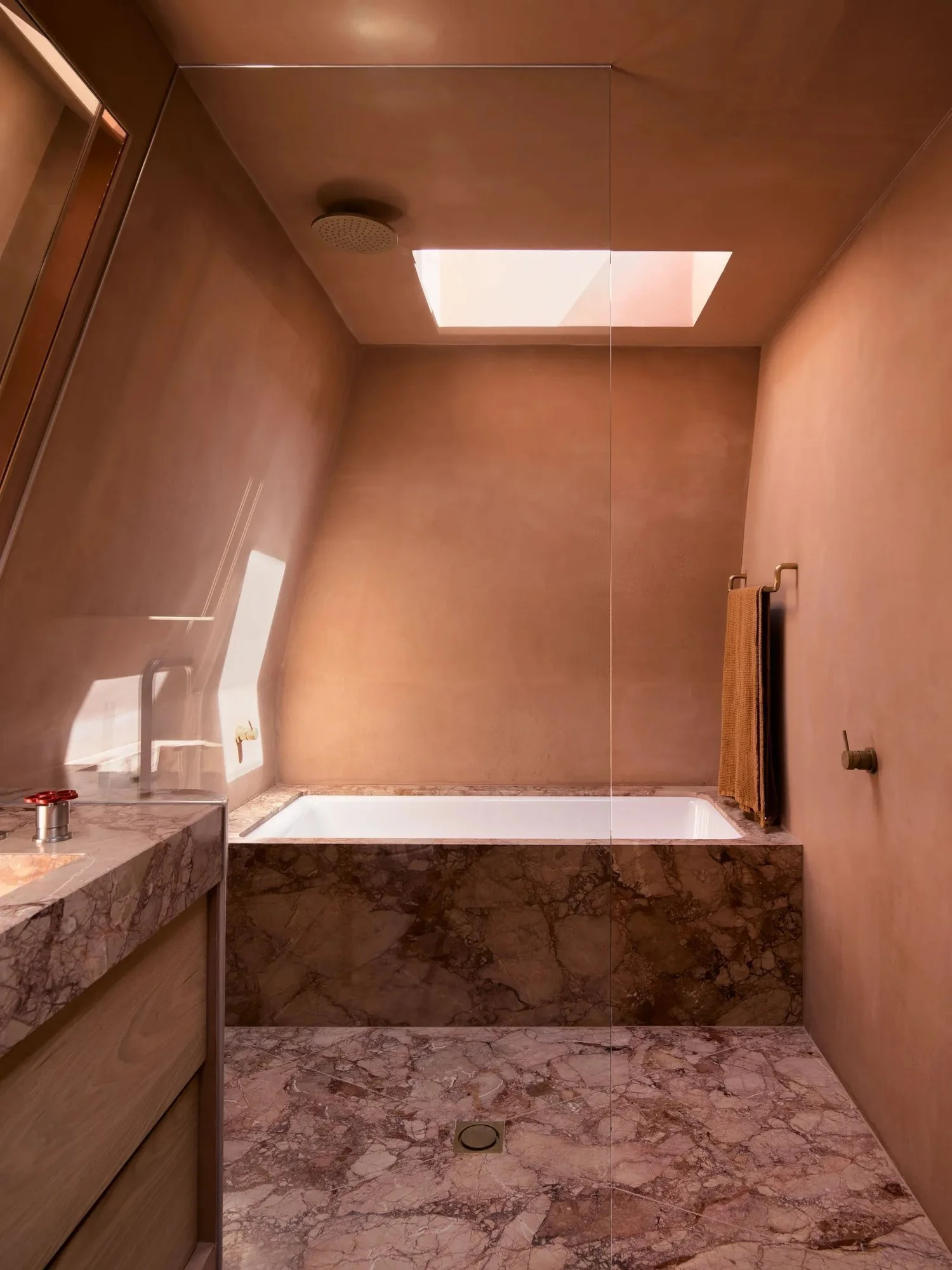
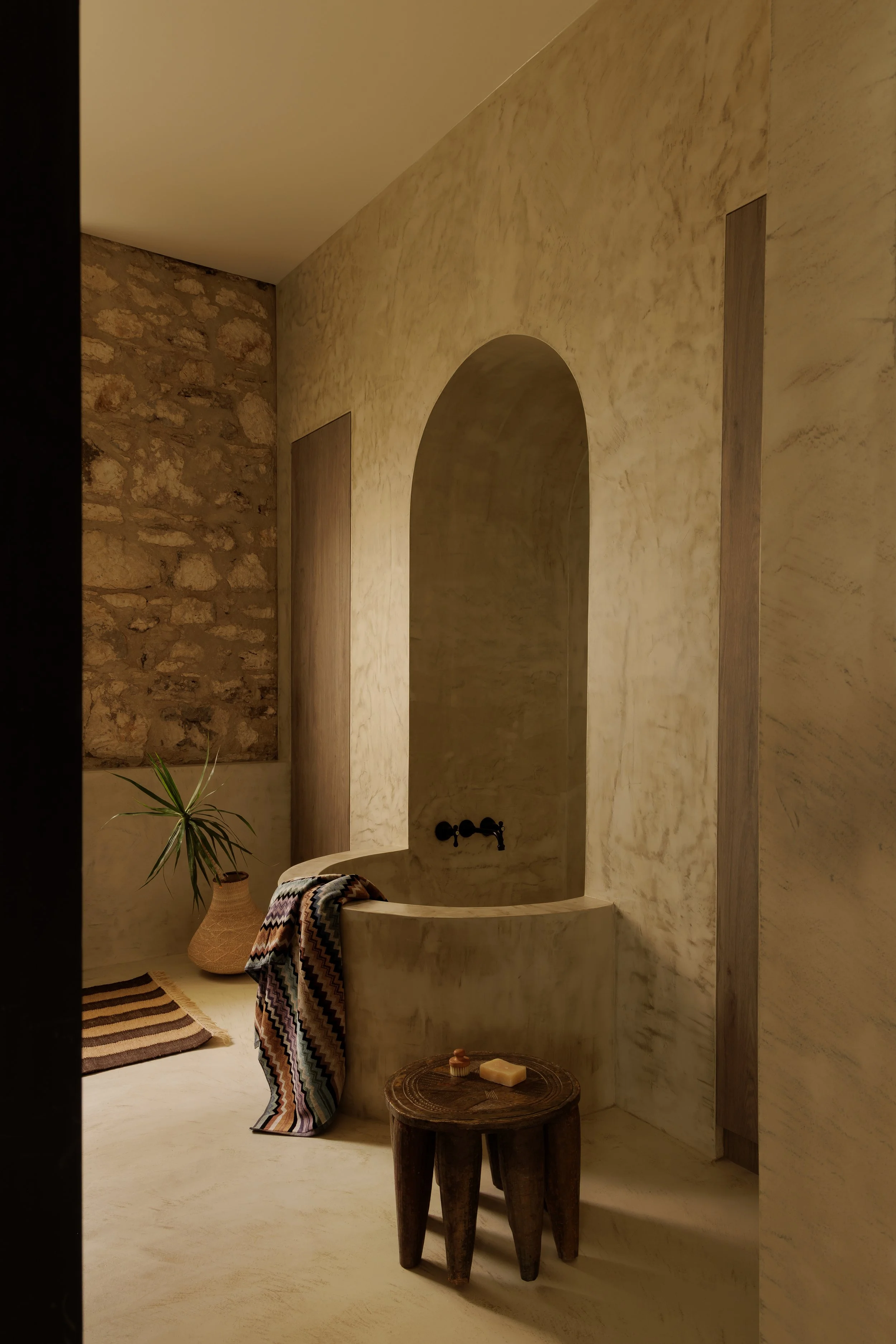
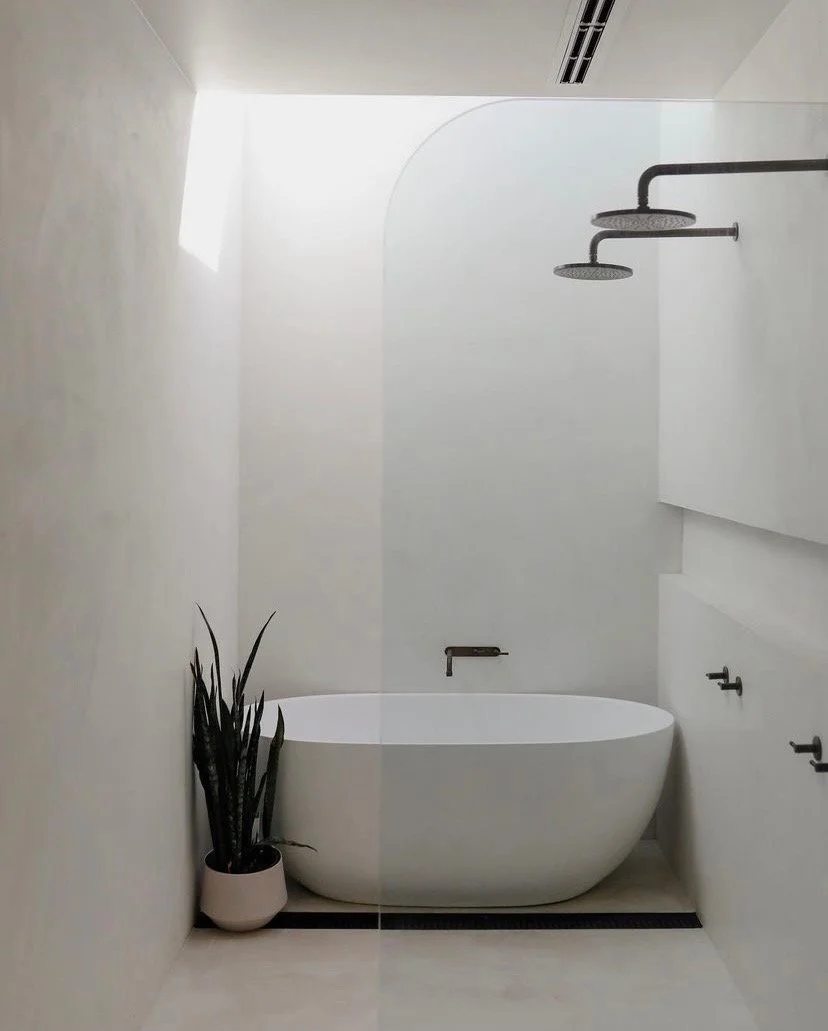
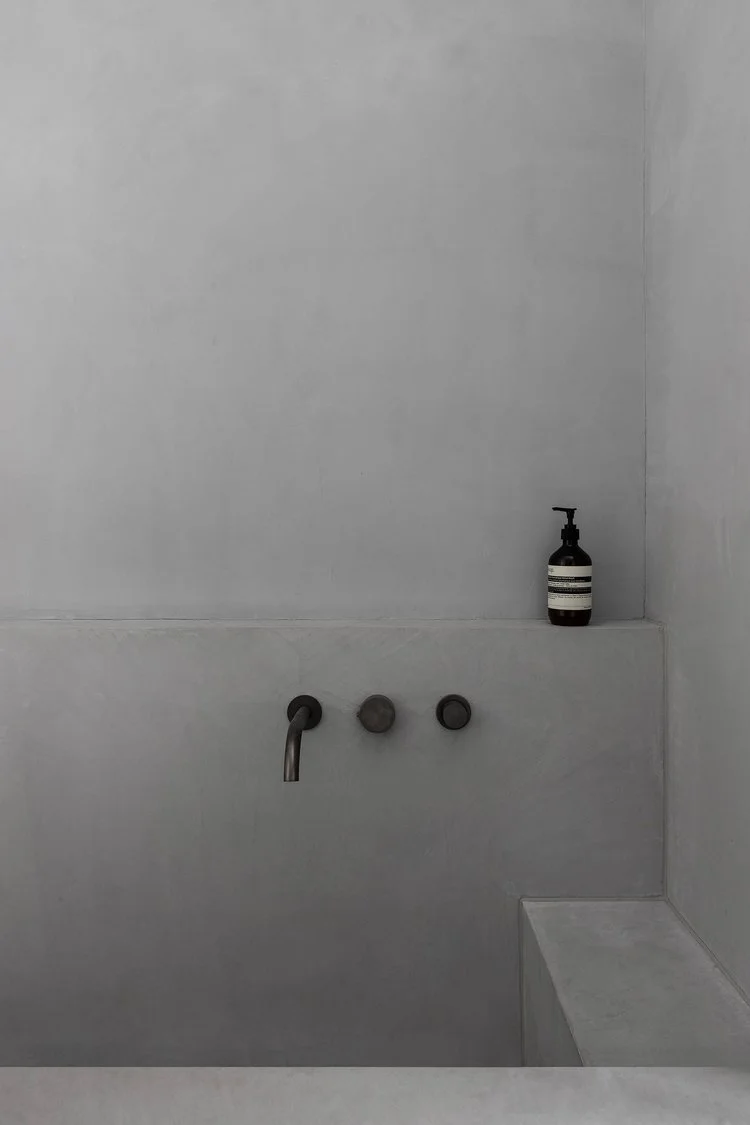
Why Choose Microcement Bathrooms?
Grout-Free Finish: Easier to clean and waterproof than the grout in those old tiles.
Wet Area Suitability: Waterproof with a compatible liquid membrane system and sealer.
Remodel Without Removal: Installed directly over existing materials like tiles and stone, no demolition required.
Stain & Mould Resistant: A properly sealed surface is highly resilient and low-maintenance.
Customisable: Specify a range of different colours and finishes, including custom options.
Versatile: One product, endless possibilities in the bathroom: floors, walls, ceilings, joinery, showers, sink basins and more.
Discover Our Microcement System: X-Bond
A hand-applied coating made from a blend of stone and liquid polymers, applied in thin layers directly over existing surfaces such as concrete, tiles, screed, and even wood. Our product X-Bond creates a seamless, joint-free finish with greater flexibility and less structural impact than traditional materials. With a minimal thickness of around 2–3mm and advanced molecular technology for outstanding adhesion, you won’t find a more renovation-friendly surface material.
Key Benefits:
Waterproofed for durability across the entire bathroom
Minimal impact on height or weight of existing surfaces
Compatible with advanced sealers for lasting stain and mould resistance
Hand-trowelled for unique, artisanal texture options
Common Microcement Bathroom Applications
Bathrooms are one of the most popular X-Bond Microcement application, achieving a contemporary architectural look without compromising on performance and functionality. In bathrooms, X-Bond Microcement flooring is frequently specified on:
Floors, walls and ceilings
Joinery e.g. shelving, countertops, and cabinet faces
Steam rooms and saunas
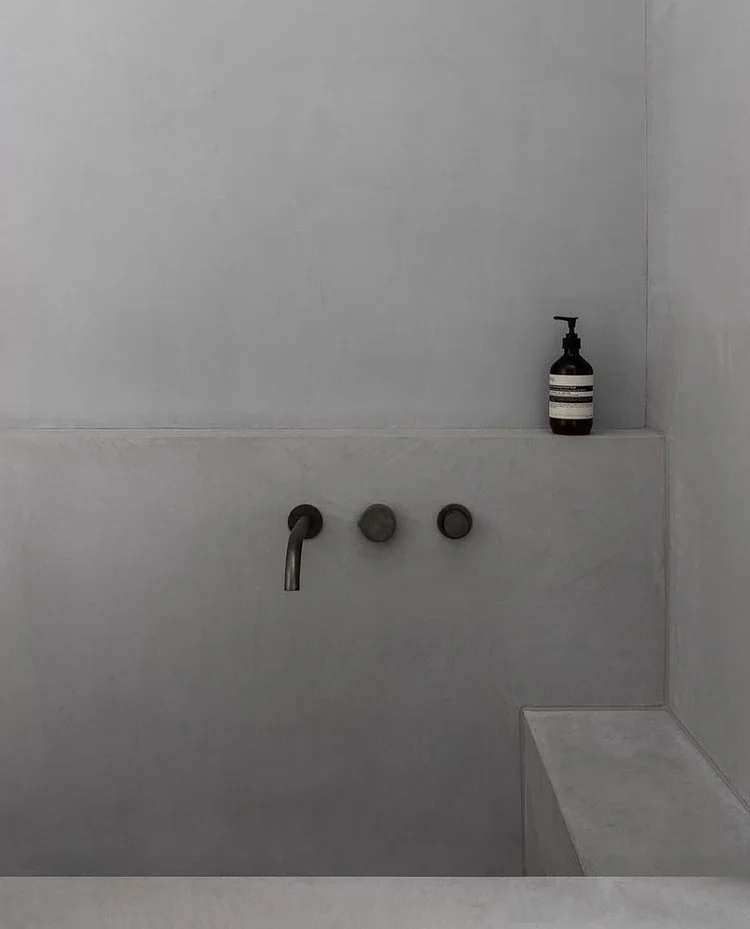
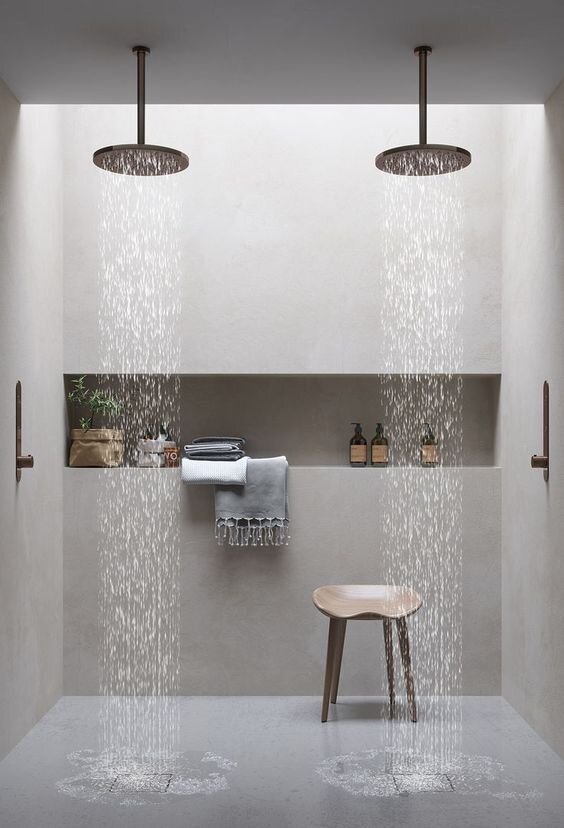
Showers and bathtubs
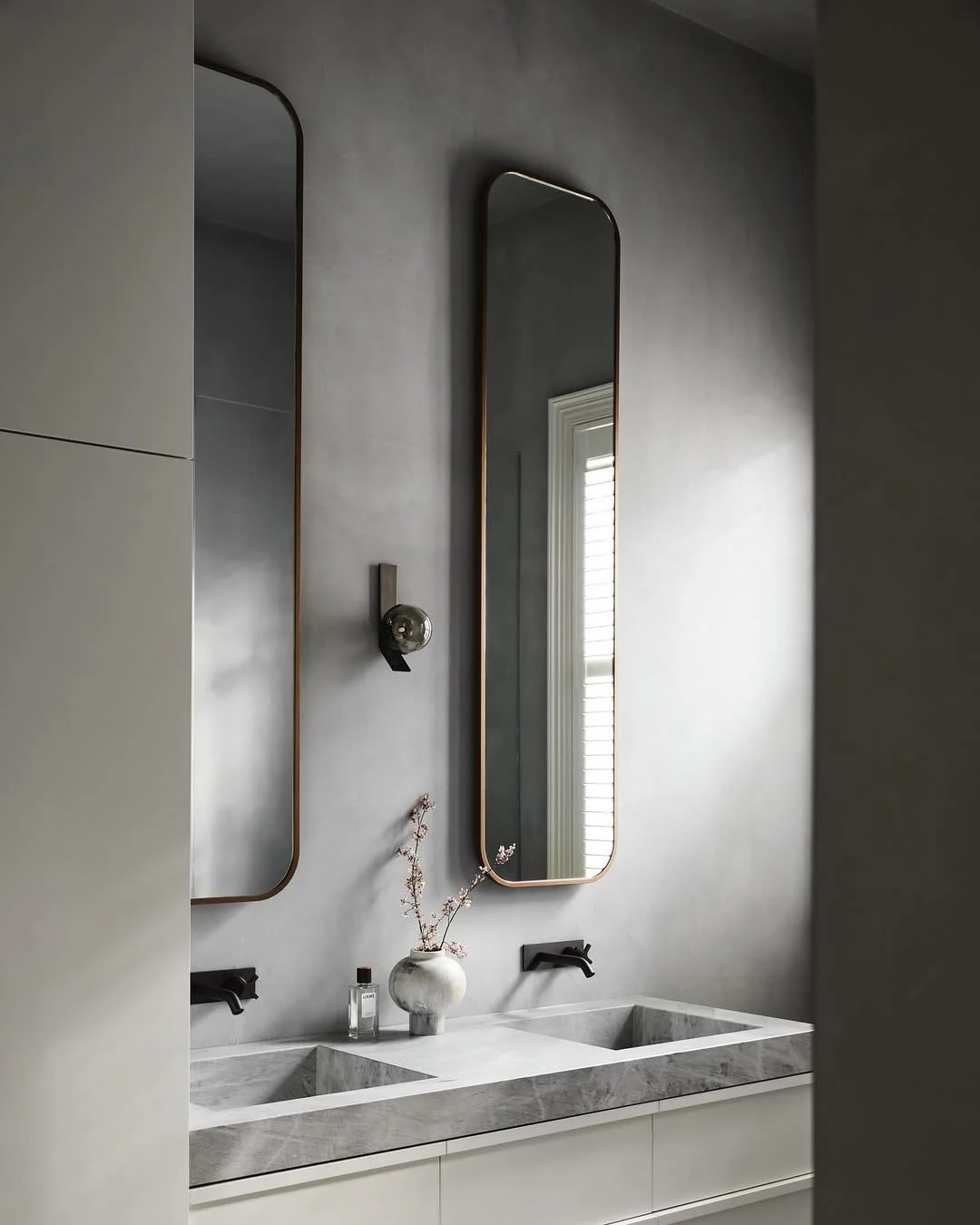
Sink basins, splashbacks, and vanity areas
When installing X-Bond over a pre-existing substrate, our team will prepare the area with an anti-fracture and waterproofing membrane along with any levelling work required over tiles (note that Alt. Surfaces cannot be responsible for substrate failure, where the existing substrate moves and causes damage to the overlay).
Maintenance & Cleaning Guide for Microcement Bathrooms
Microcement is always finished with a sealer, which creates a highly resilient and low-maintenance surface. Resistant to stains, mould, and wear; it requires minimal upkeep and rarely needs more than a light clean. If you’re sick of scrubbing the grout in between your bathroom tiles, this seamless surface finish is perfect.
Tips for cleaning a microcement bathroom include:
Clean surfaces with a soft cloth and water — a mild detergent is optional.
Steer clear of harsh or abrasive cleaners, especially those with acetone concentrations over 50%.
Avoid washing the X-Bond surface during the first week after application to allow sealers to fully cure.
Although microcement resists mould and stains, don’t let products like fake tan or certain shampoos and conditioners sit on surfaces. Always rinse showers, baths, and sinks thoroughly with water after use to remove any residue.


Why Choose Microcement Over Tiles for Your Bathroom
Microcement can be applied straight over existing tiles, making it an excellent renovation solution that avoids the time, costs and mess of demolition.
The seamless finish eliminates grout lines, improving waterproofing and simplifying hygiene and maintenance.
With just 2–3mm thickness, X-Bond preserves your bathroom’s dimensions while delivering modern aesthetics.
The X-Bond system includes a liquid waterproofing and anti-fracture membrane, designed to stabilise tiled substrates and prevent moisture ingress beneath the microcement finish.
Venetian Plaster vs Microcement – What’s Best for Bathrooms?
If choosing hand-rendered coatings for your bathroom, Venetian plaster and microcement are two of the most popular materials. Both require professional, multi-layered installation and can be sealed for moisture resistance.
Venetian plaster offers elegant wall textures, but is best suited to surfaces that aren’t directly submerged or constantly flooded with water. Microcement is superior for wet areas, especially shower floors, due to its strength and high impact resistance. This makes it a preferred choice for high-use bathrooms and floors where durability matters.
Microcement can also be applied over a wider range of substrates such as tiled showers, custom bathroom joinery, concrete, and screed, making it highly versatile for renovations. Venetian plaster, by contrast, is typically applied to dry walls and decorative features rather than high-wear wet zones.
In terms of maintenance, both materials are easy to clean thanks to their seamless, grout-free finish. However, microcement is generally more resilient to heavy daily use, while Venetian plaster is better suited to aesthetic, low-traffic areas.
Read more in What's the Difference Between Microcement and Venetian Plaster?
X-Bond Bathroom Finishes
By changing the application techniques and tools, we can customise your X-Bond finish in two different bathroom-approved texture options.
X-Bond Hybrid is hand-trowelled and sanded to achieve a smooth, polished surface with subtle tonal variation and texture. It’s suitable for all bathroom surfaces, but for shower bases will include a non-slip additive.
X-Bond Hybrid

X-Bond Mineral is a highly textural finish achieved by using a spray gun, resulting in a rough and bumpy stucco-like texture inspired by salt formations and mineral caves.
X-Bond Mineral

Related Blog Articles: Bathrooms



Frequently Asked Questions
-
Yes. Our product X-Bond Microcement can be applied directly over existing tiles with the right preparation — including waterproofing and levelling. This allows for a seamless, waterproof bathroom finish without removing tiles.
-
In most cases, yes. Microcement is more durable and fully waterproof when sealed, making it better suited to wet areas such as showers, floors, and high-use bathrooms. Venetian plaster is moisture-resistant and ideal for decorative walls but is less suitable for areas exposed to constant water.
-
Yes. When installed and sealed correctly, microcement is ideal for shower floors due to its strength, waterproof performance, slip resistance, and high impact resistance.
-
Yes. Microcement is easy to clean and maintain thanks to its seamless, grout-free surface. It is highly resistant to daily wear, making it a practical choice for busy bathrooms compared to more fragile finishes like ceramic tile.
-
The cost to microcement a bathroom can be higher than some basic tiling options, but it’s often more cost-effective or the same as high-end tiles and bespoke artisanal tiles.
It also can be more affordable than full demolition and retiling.
Prices ultimately vary based on bathroom size, surface prep, and the complexity of features.
If you want a quote for your project, get in touch here.
-
Microcement will be sealed in wet areas with a mould-resistant sealer. However, like any surface, it can be prone to mould growth if not properly maintained — especially in areas with poor ventilation. Mould thrives in damp, stuffy spaces so wiping surfaces down and ensuring good airflow are key to preventing mould on microcement surfaces in bathrooms and other wet areas. Remember, it’s low maintenance, not ‘no’ maintenance.