Five Architectural & Interior Design Trends to Watch For 2026
Based on what we saw in 2025, next year’s design trends will be less about decorative gestures and more about material intelligence, proportion, and continuity. Designers who think in surfaces, volumes, and transitions will define the next era of residential spaces. Here are five things we think we’ll see more of in 2026 architecture and interiors.
Related Reading: Material Trends for 2025
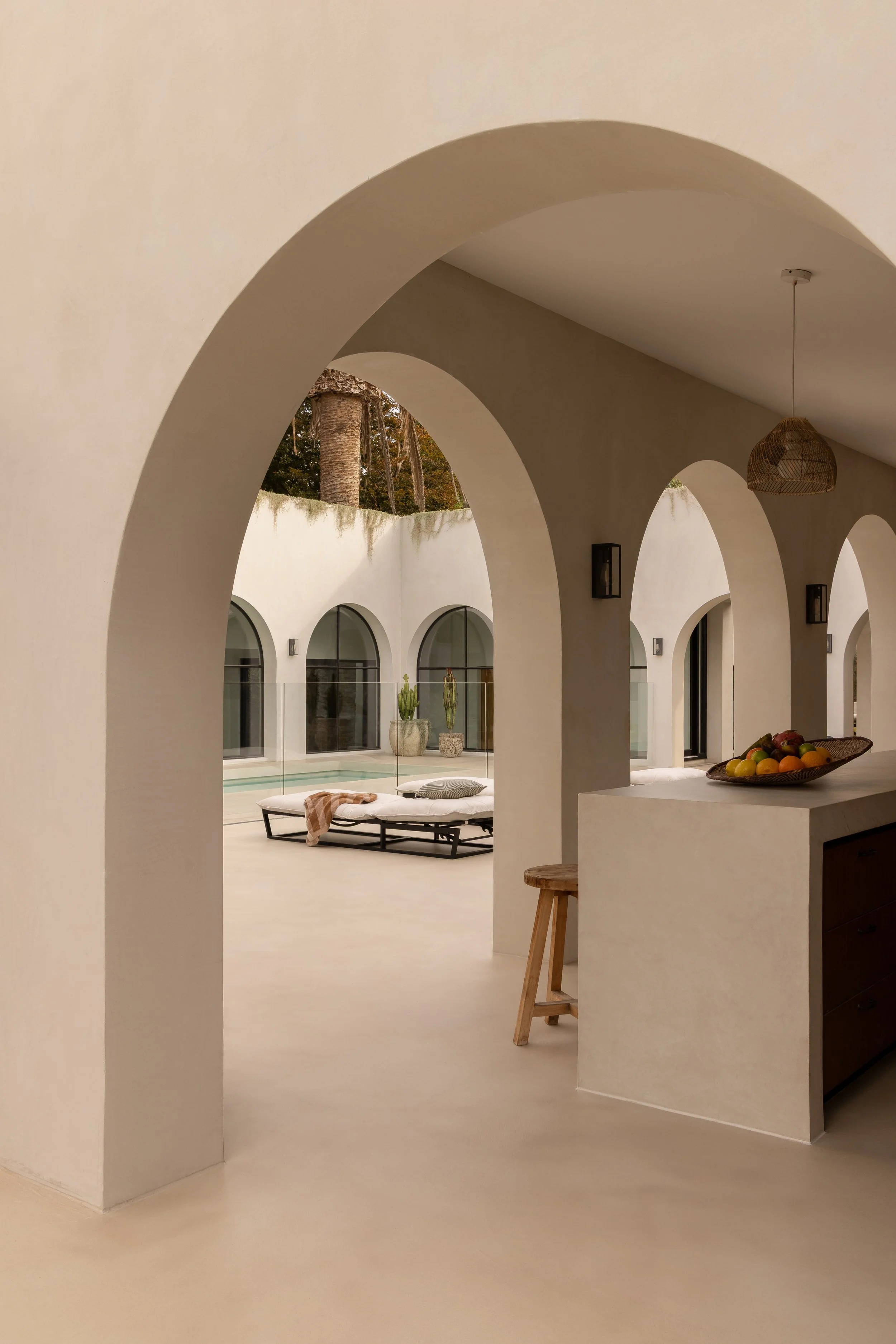
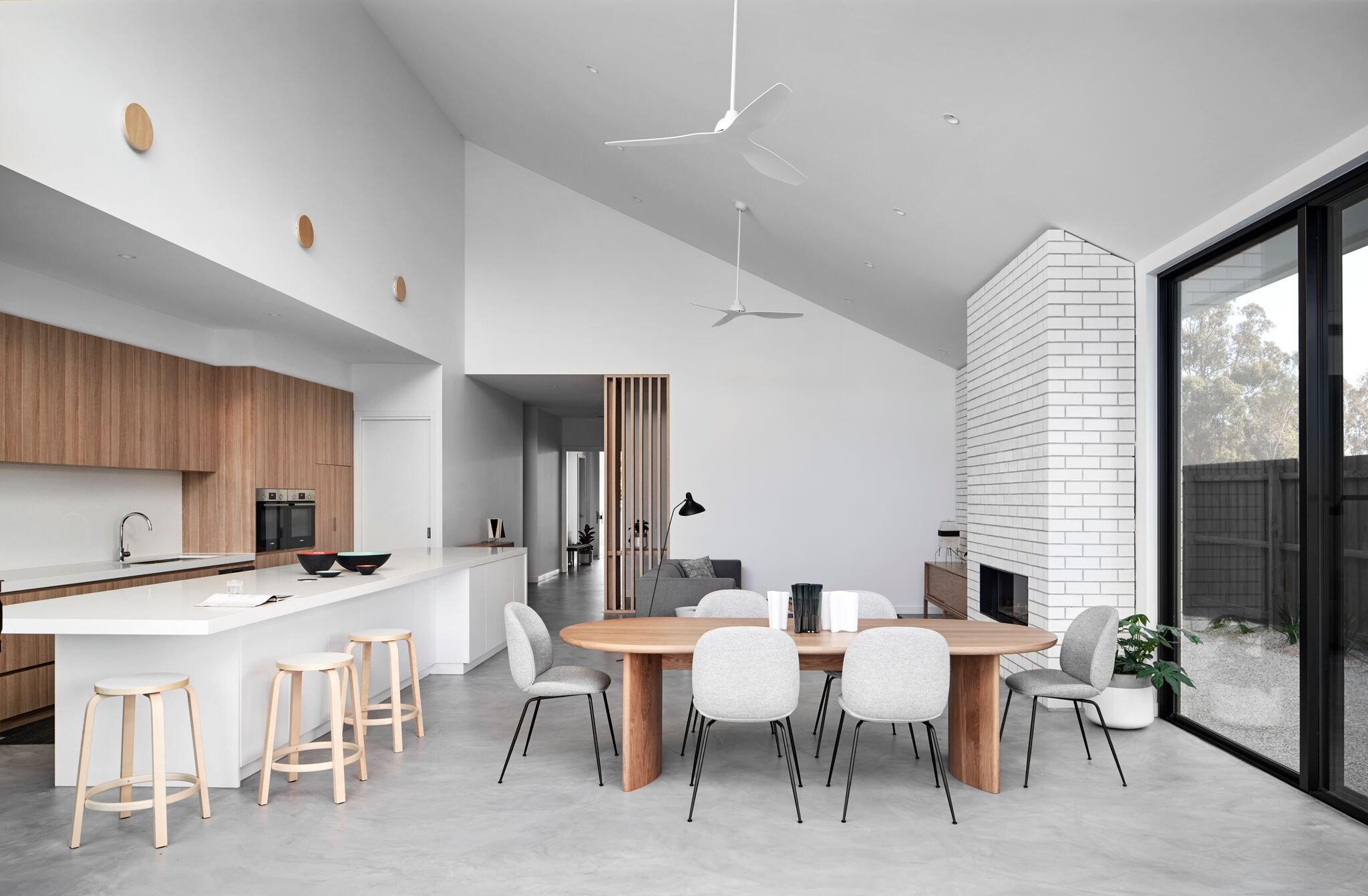
1. Microcement Used as a Spatial Connector
While we love a microcement feature wall or bathroom; our favourite projects are the ones that feature microcement absolutely everywhere. Clients are increasingly using seamless surface renders to visually connect spaces by:
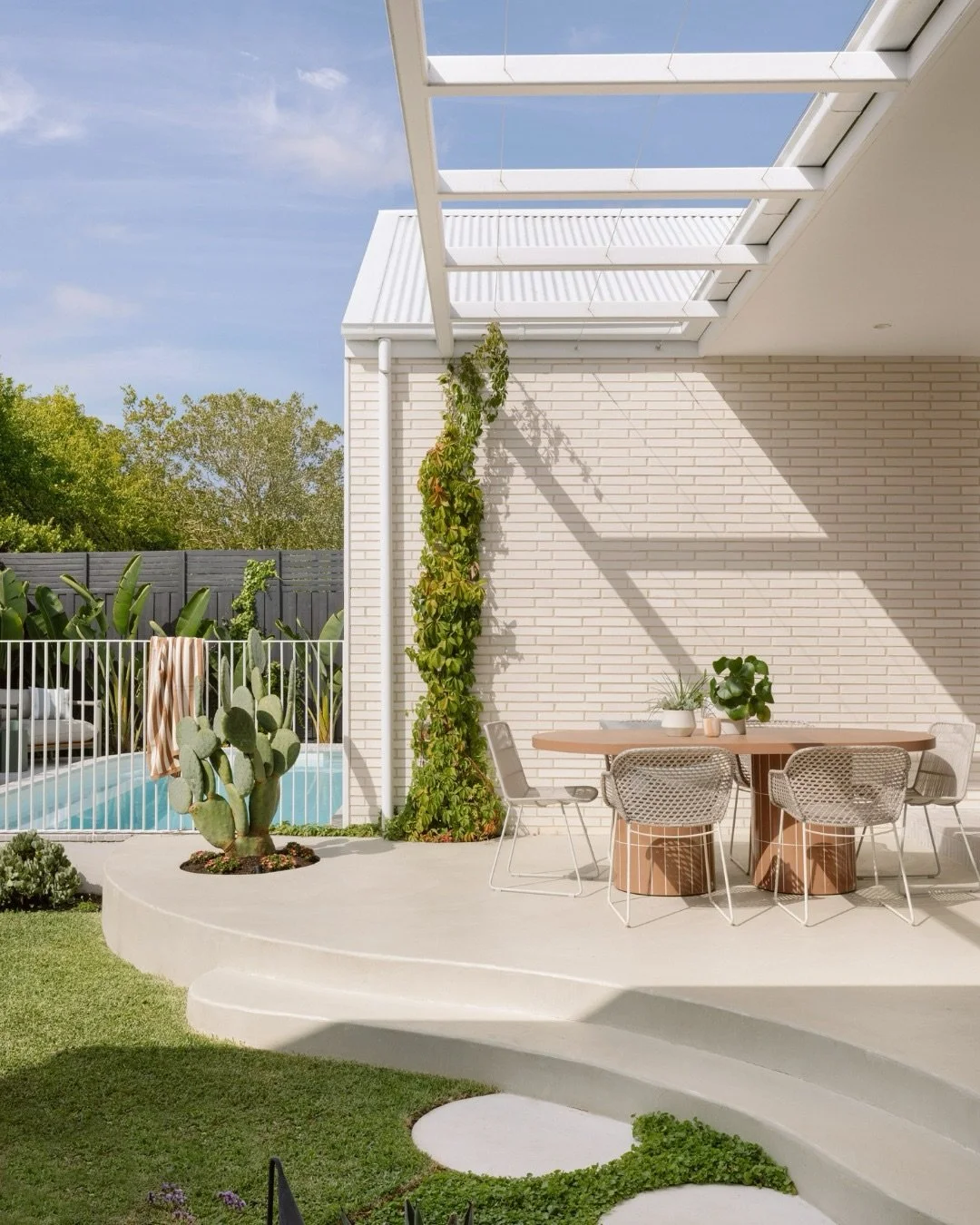
Continuing from interior spaces to outside areas
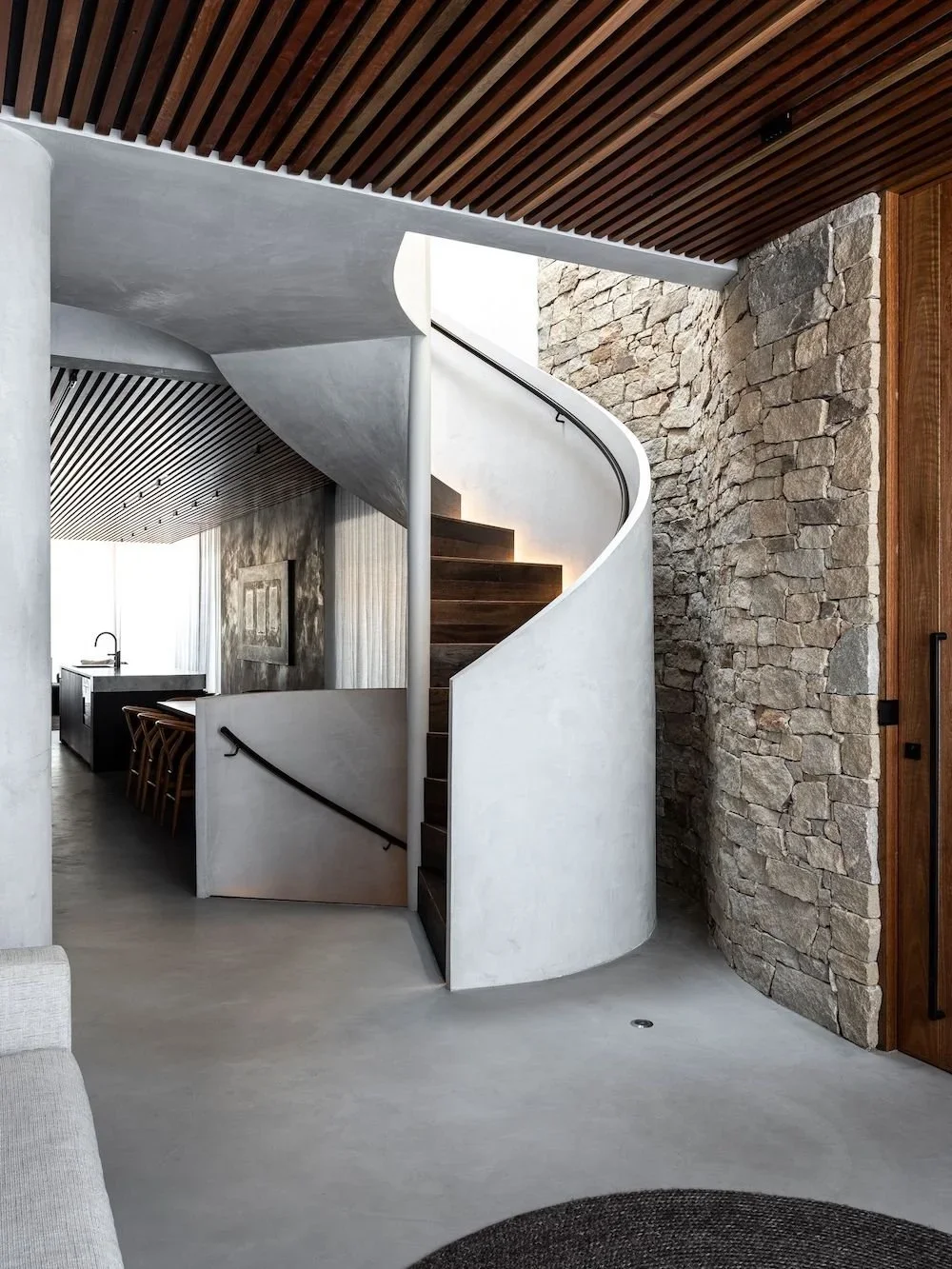
Joining adjacent living zones and levels via microcement staircases
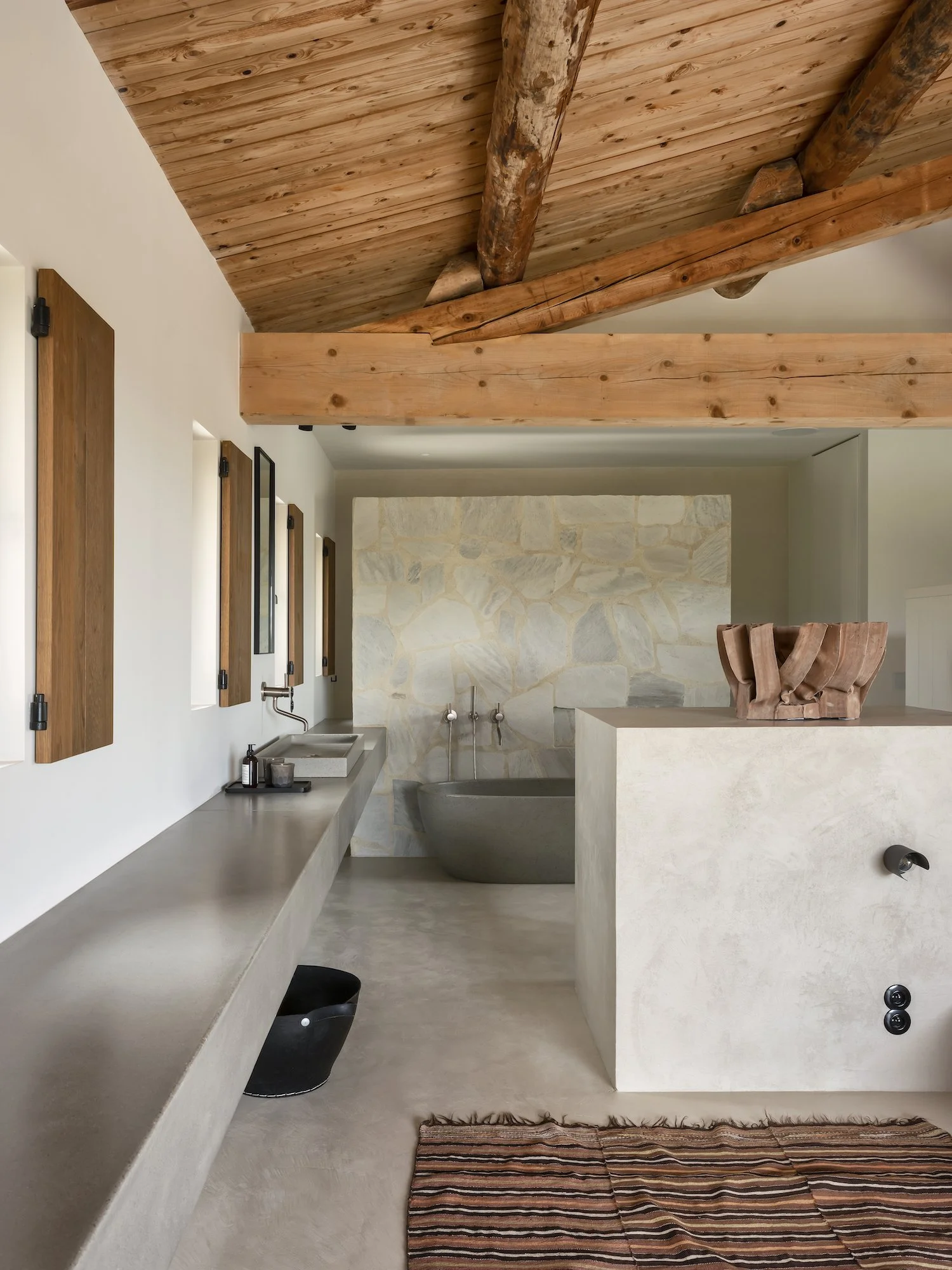
Microcement is the perfect material for creating continuous planes that guide movement through a space. When applied consistently across multiple zones, it quietly replaces lines, thresholds, and visual clutter.
This is microcement as structure, not just surface decoration.
2. Monochrome Rooms
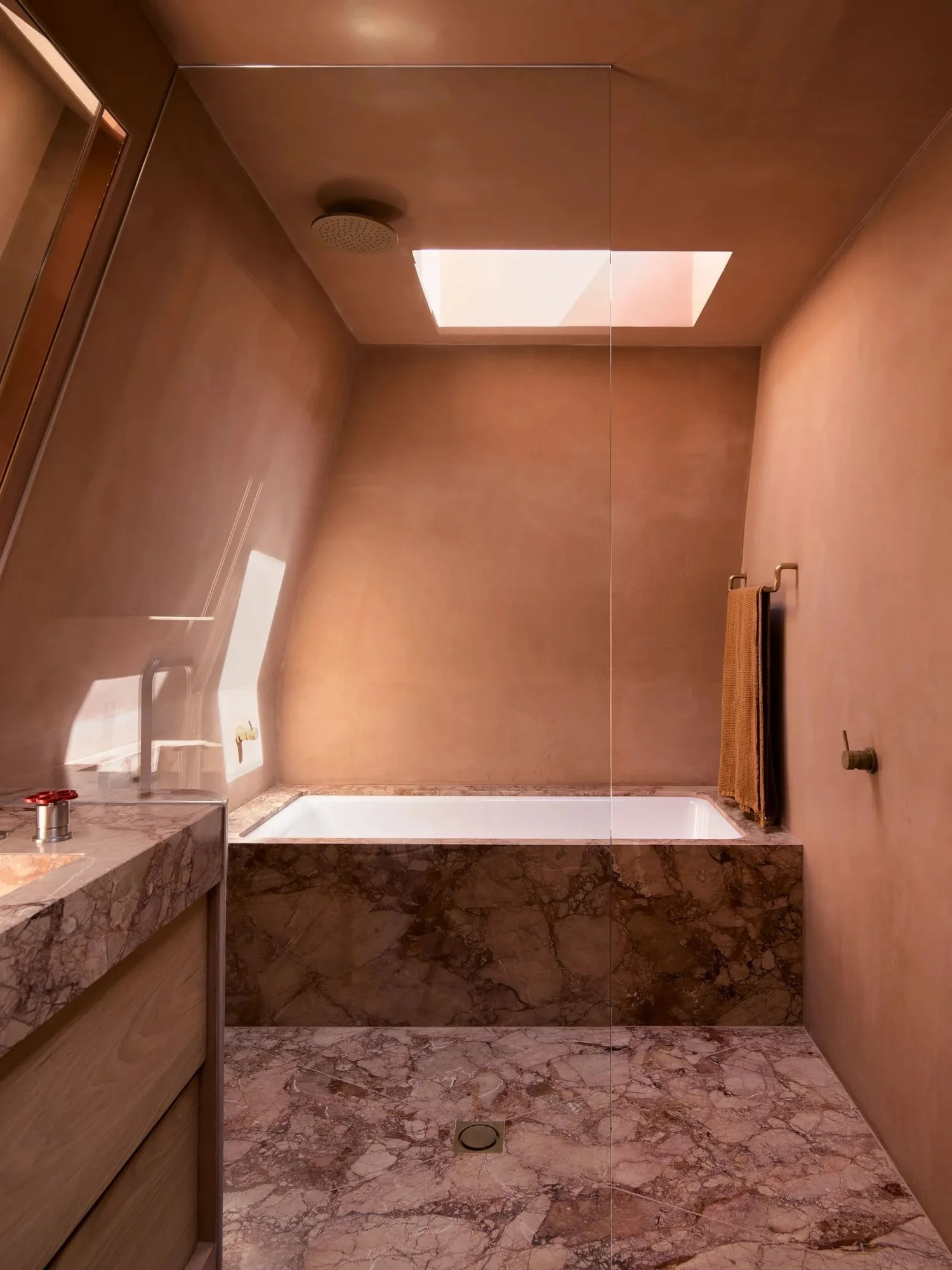
When it comes to colour palettes, modern interiors are starting to explore monochrome rooms, using textural variation to create depth.
Think:
One colour family, expressed through different materials
Walls, floors, ceilings, and joinery in closely related tones
Contrast created through finish — matte, honed, brushed, soft-sheen — rather than colour
Vibrant or eclectic interiors still feel minimalist, made expressive through varied textures and materials but unified by a single colour story.
3. Imperfection and Irregularity
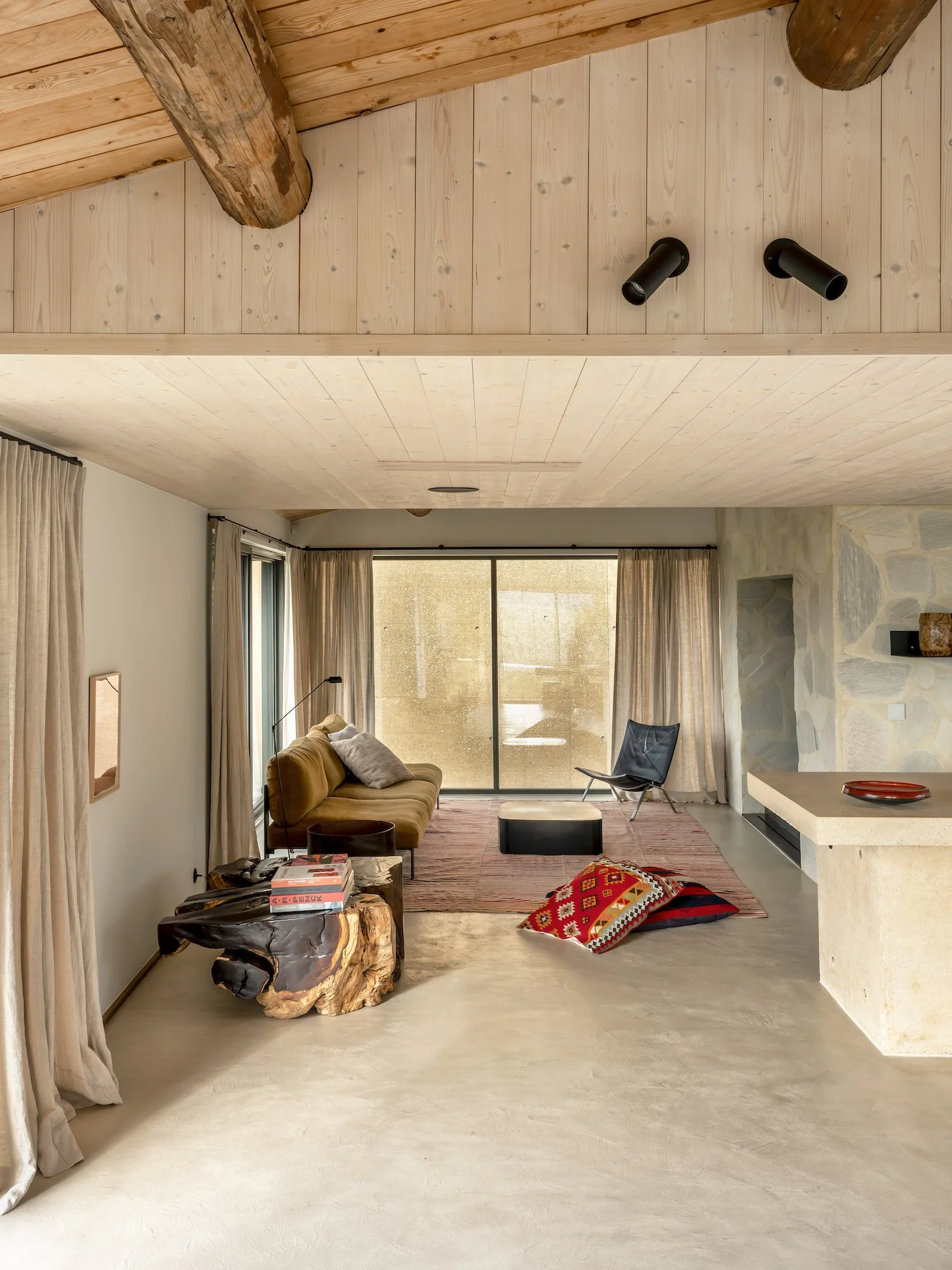
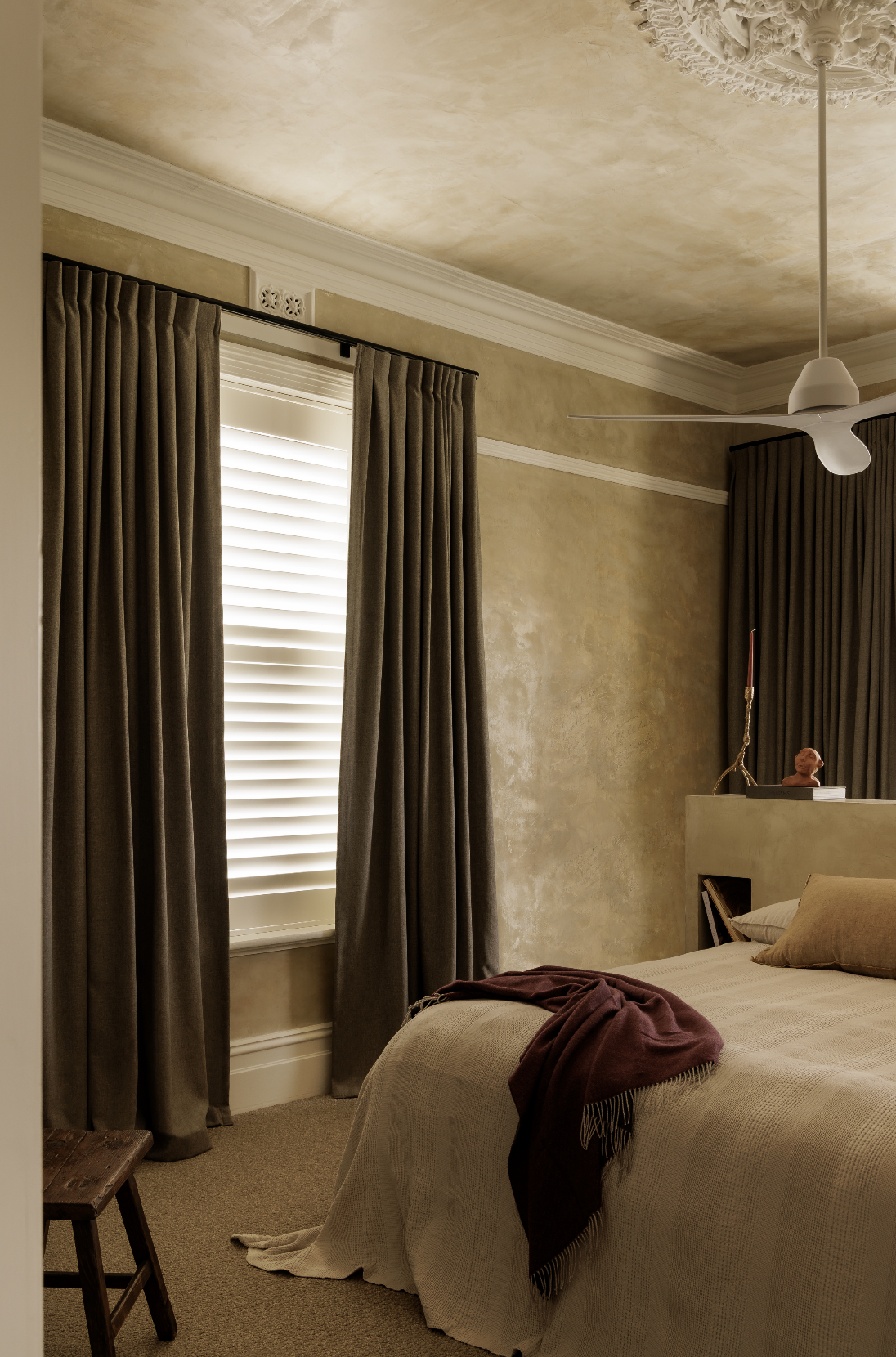
Perfection is losing its appeal. There’s something that contemporary award-winning spaces and standout projects all have in common right now; finishes that embrace variation.
This includes:
Subtle movement in hand-crafted renders
Finishes that will patina over time
Natural, organic materials with visible nuance — from travertine to recycled timber
Vintage furnishings and décor
Worn, authentic heritage elements incorporated into renovations
The key is control. Irregularity should feel intentional, not accidental. This approach adds depth and humanity to modern spaces, especially when paired with clean architectural lines.

4. The Monolithic Domestic Object
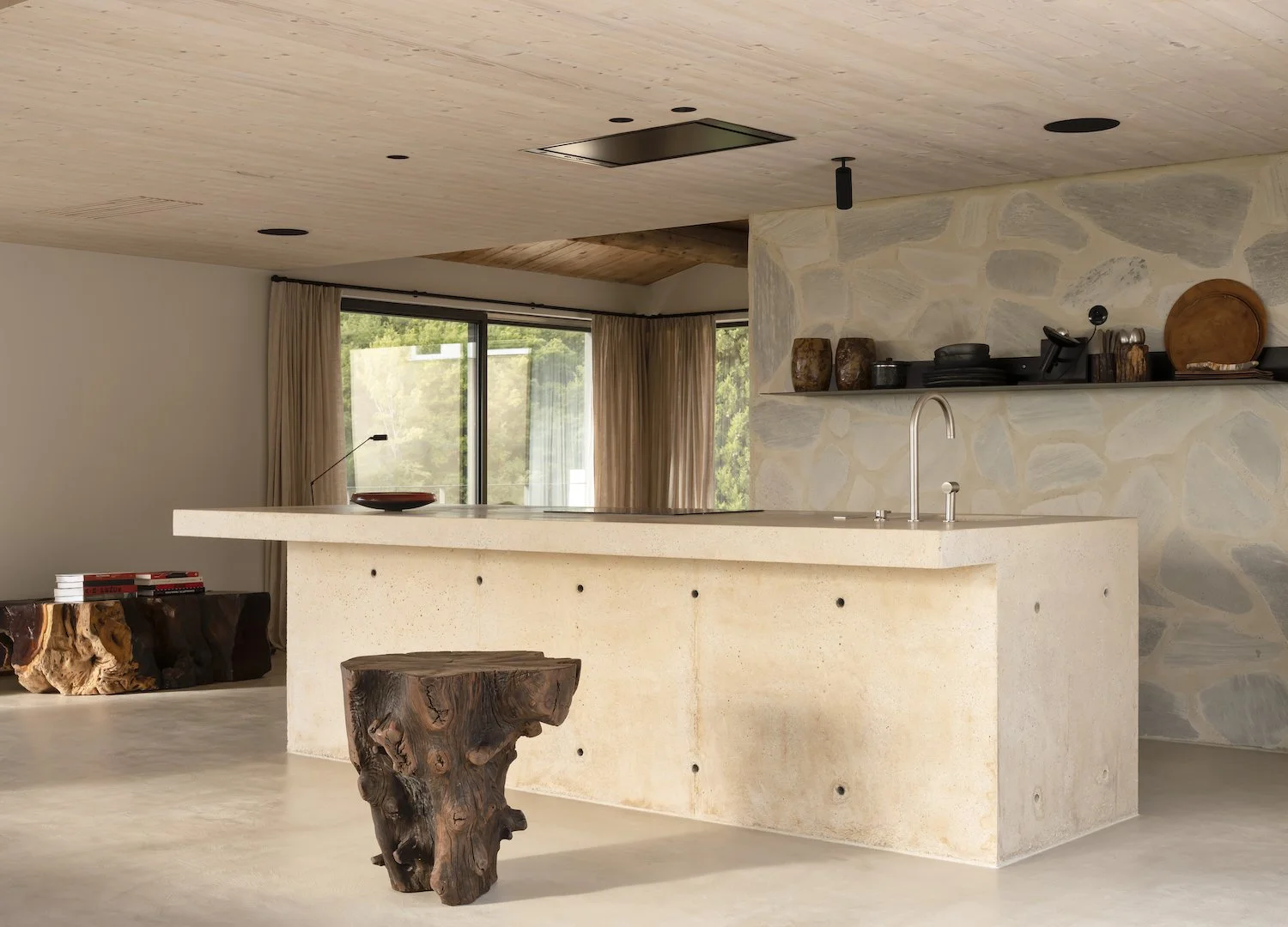
We’re seeing a shift in domestic design where even ordinary, functional elements become architectural statements. Rather than standalone add-ons, furniture is becoming a sculptural, built-in feature and integral part of a room’s structure.
At Alt., we see this reflected in a rising number of joinery projects where benches, seating, and storage are finished in our concrete-like X-Bond render with no visible cabinetry lines, handles, or visual clutter.
5. Expressive Geometry
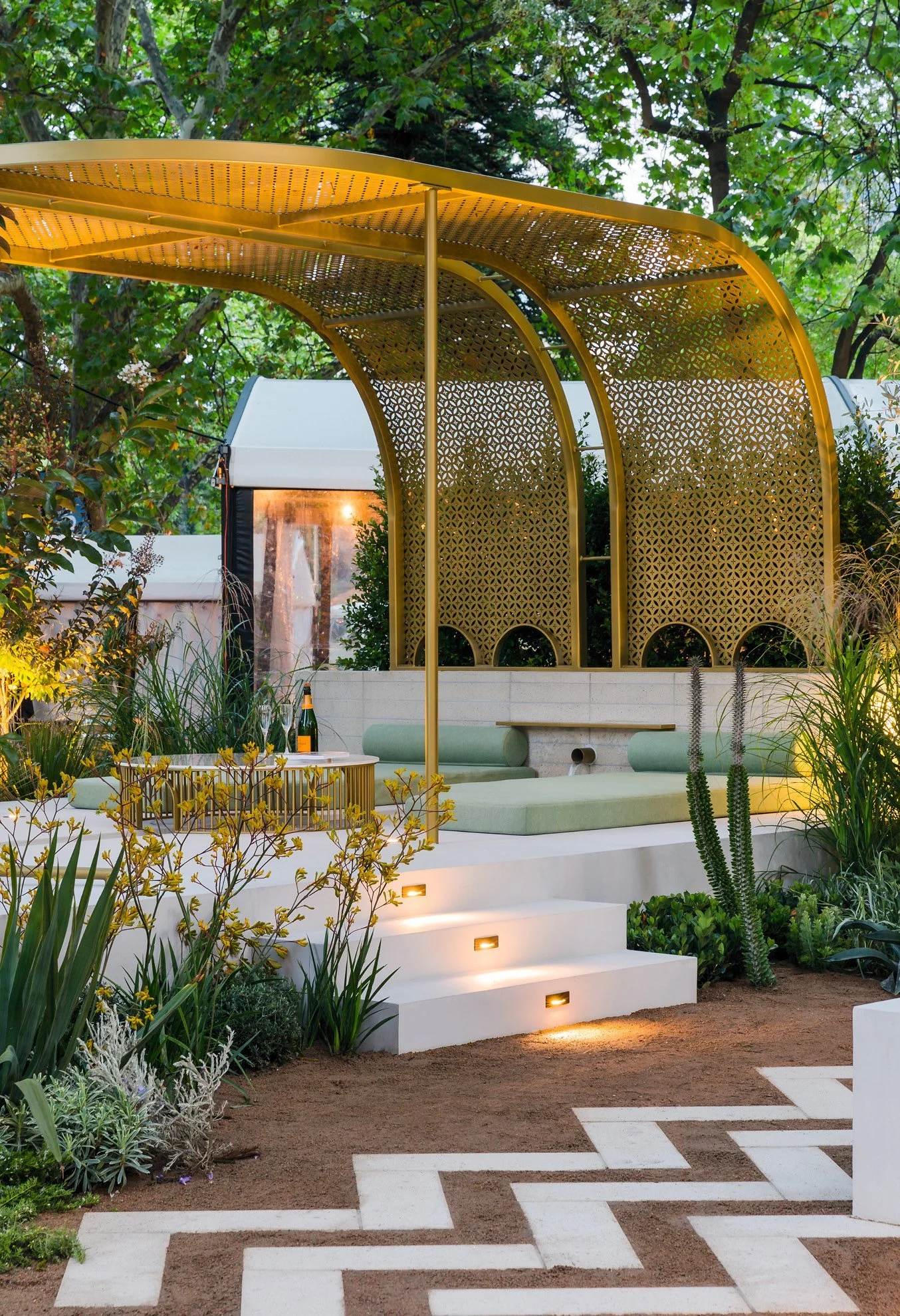
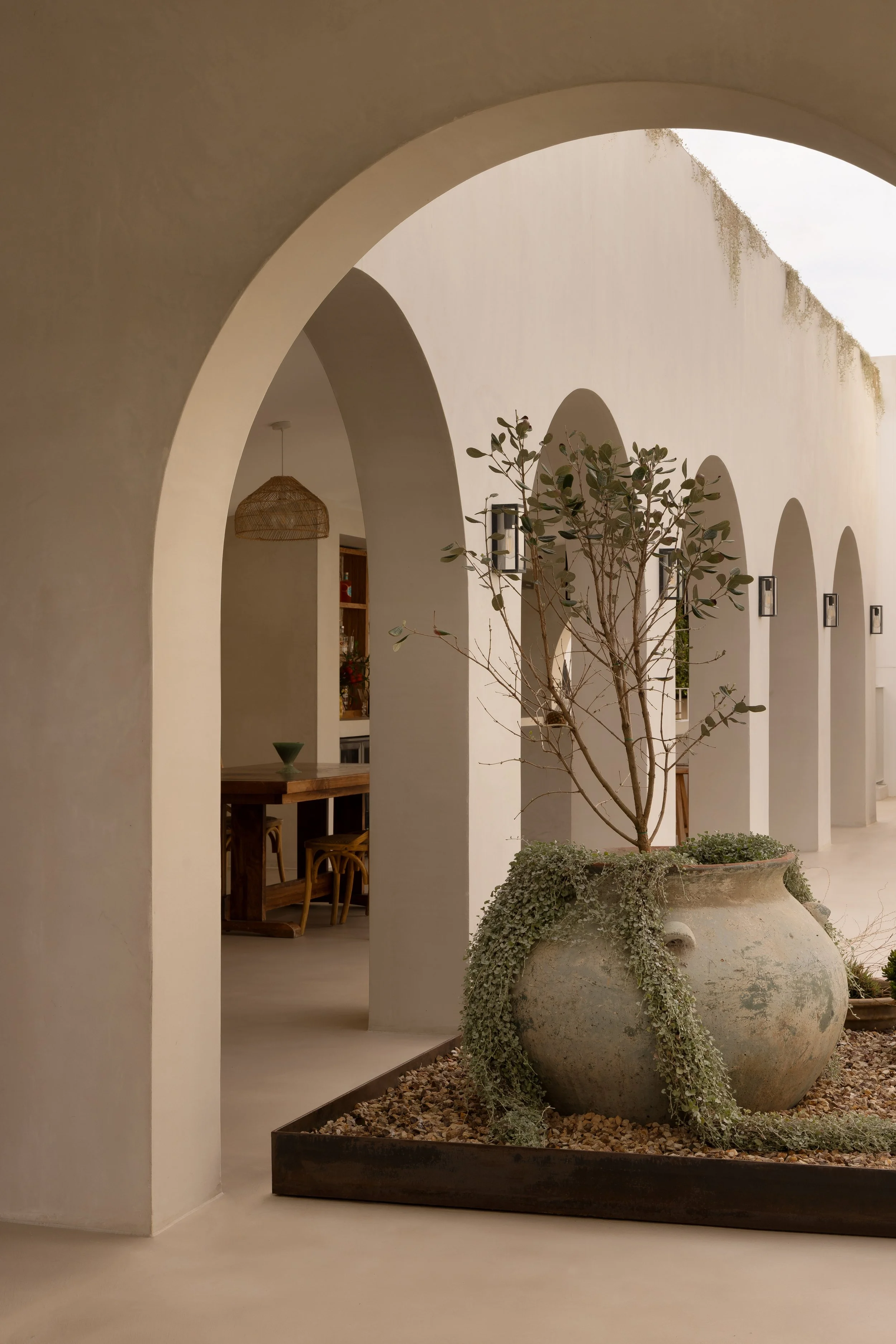
Especially in landscape design and outdoor areas; circles, archways, and even bolder patterns are being used to shape and define space. This deliberate use of form and geometry introduces architectural and spatial rhythm without relying on excessive detail.
Curved lines are organic and calming, arched openings frame transitions, and patterned paving or floor inlays playfully signal zones.