
Five Signs Your Concrete Floor Needs Resurfacing
Concrete floors are strong, durable, and built to last — but that doesn’t mean they’re invincible. Over time, concrete can become stained, rough, cracked, or uneven from everyday wear, environmental exposure, and changes in the building over the years.
If your slab is still structurally sound, concrete resurfacing is one of the best ways to restore the look of your floor and give it a new finish without the cost and disruption of demolition.
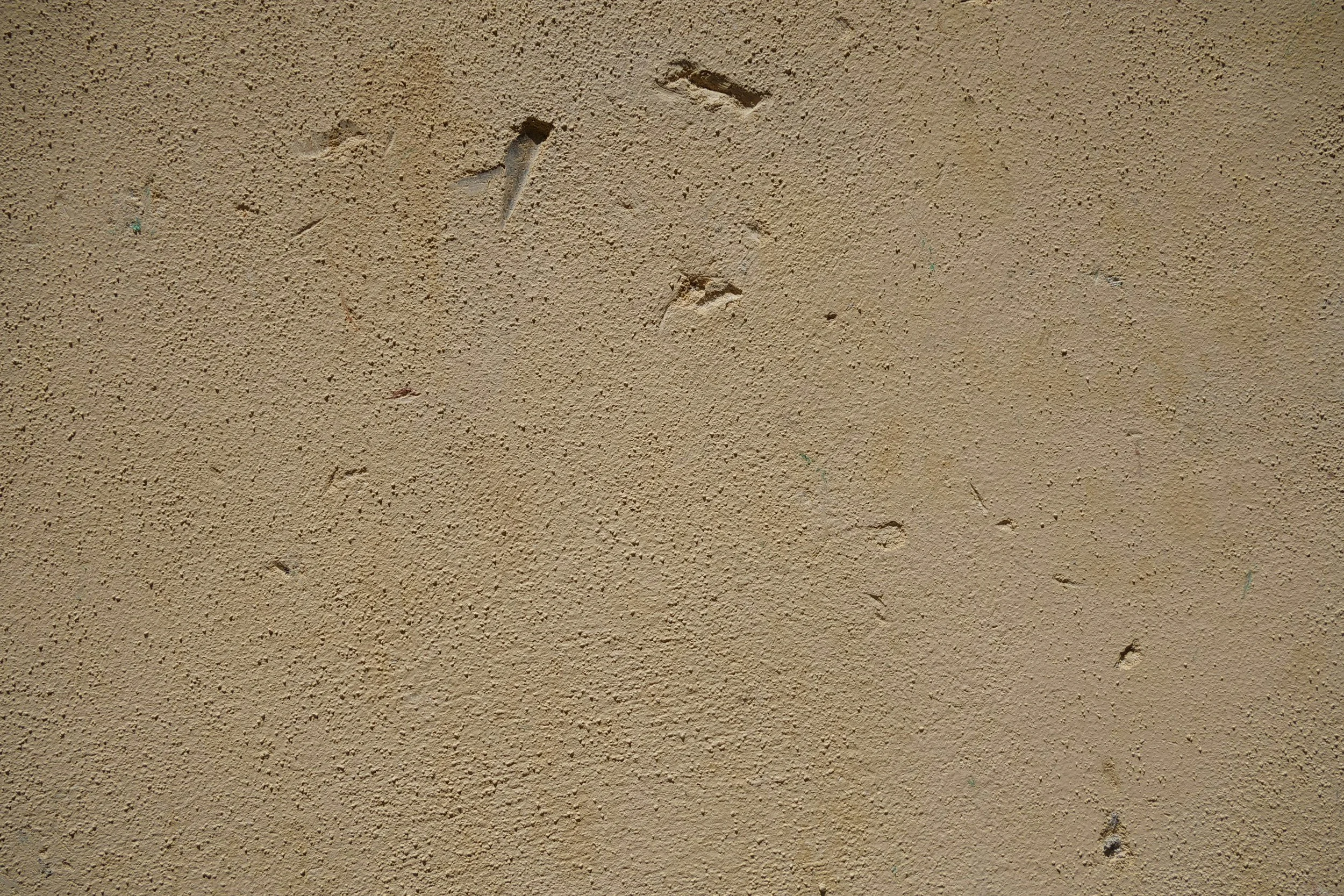
Concrete resurfacing is the process of applying a new finish or overlay to the top layer of an existing concrete slab. Rather than ripping up the concrete and starting from scratch, resurfacing improves the surface by:
covering stains and discolouration
repairing minor cracks
creating a seamless new finish
improving durability with the right sealers
Resurfacing is commonly used in homes and commercial spaces where the base concrete is still usable, but the surface is tired, damaged, or outdated.
One of the most popular modern resurfacing solutions is microcement. Microcement is a thin, cement-based coating system that can be applied over existing concrete to create a smooth, seamless “concrete look” finish without the need for demolition. This ability to bond with existing materials is just one of the reasons why it’s great for renovations — along with its refined architectural aesthetic that feels like a more premium, design-focused finish than traditional concrete. Learn more about microcement concrete overlays.

In this post, we’ll walk through the five biggest signs your concrete floor needs resurfacing, what causes them, and what resurfacing can do to transform your space.
Find this interesting? Check our our resurfacing hub next.
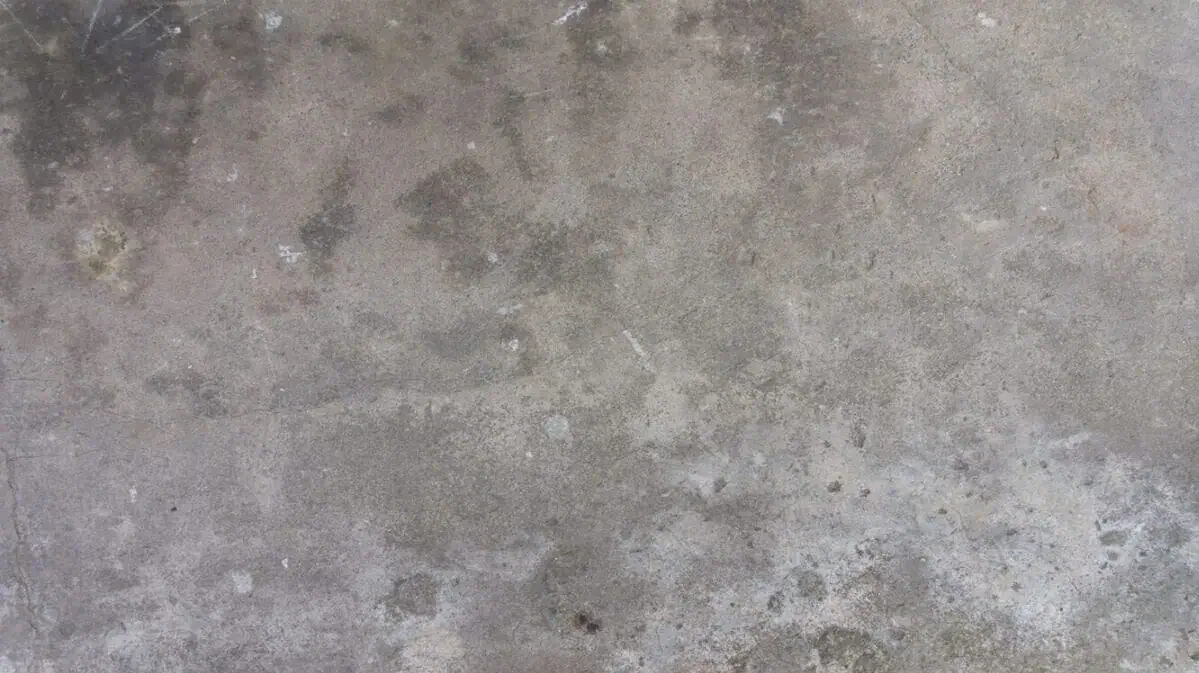
1. The Surface Is Stained, Blotchy, or Discoloured
One of the most common reasons people look into resurfacing is because the concrete simply doesn’t look good anymore.
Concrete can stain from:
oil and grease (especially in garages)
water or moisture marks
rust staining from metal furniture or fixtures
paint splashes and renovation mess
spills soaking into unsealed concrete
old cleaning products and chemical residue
The frustrating part? Even if you scrub the floor, many stains sit deep in the pores of the concrete — meaning they never truly disappear.
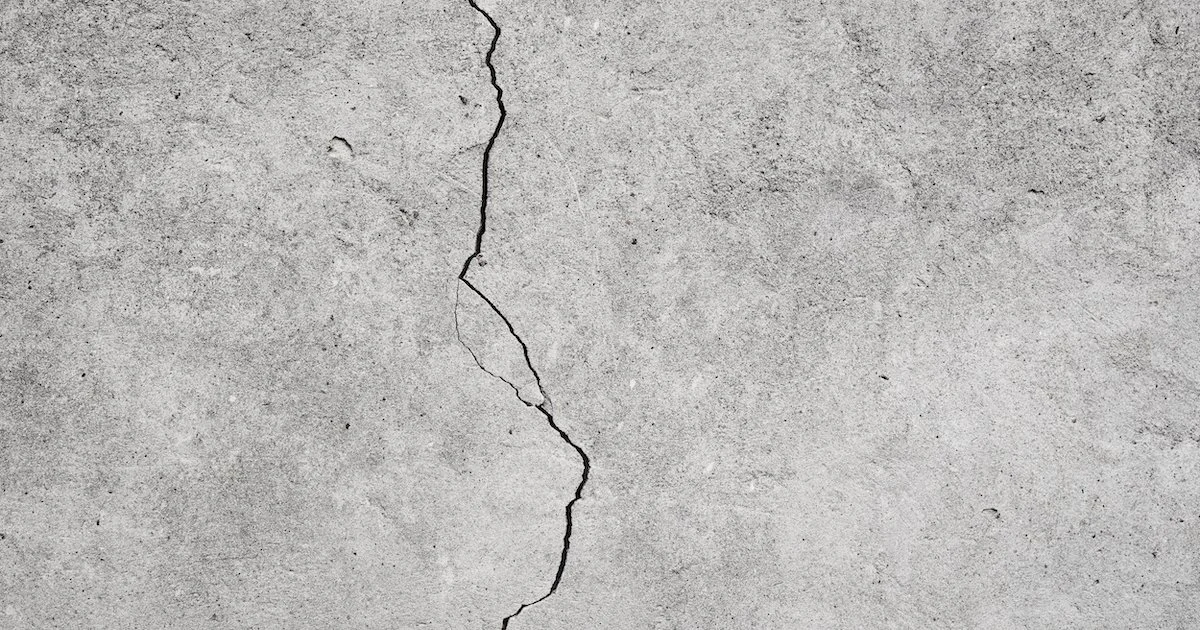
2. You’re Seeing Hairline Cracks Across the Floor
Cracks in concrete are common — and not all cracks mean the slab is failing.
Hairline cracks often occur from:
natural curing and shrinkage
normal movement in the building
small shifts over time
temperature changes
everyday wear and pressure
You may notice fine cracks that look like thin lines across the floor, especially in older concrete or high-traffic areas.
In many cases, resurfacing is possible over minor cracking — if cracks are properly repaired and the surface is correctly prepped beforehand.
However, if cracks are wide, worsening, or the slab feels significantly uneven (e.g. one side higher than the other), it could be a sign of intense movement underneath. In those cases, an assessment is important before resurfacing so the right preparation system is used.
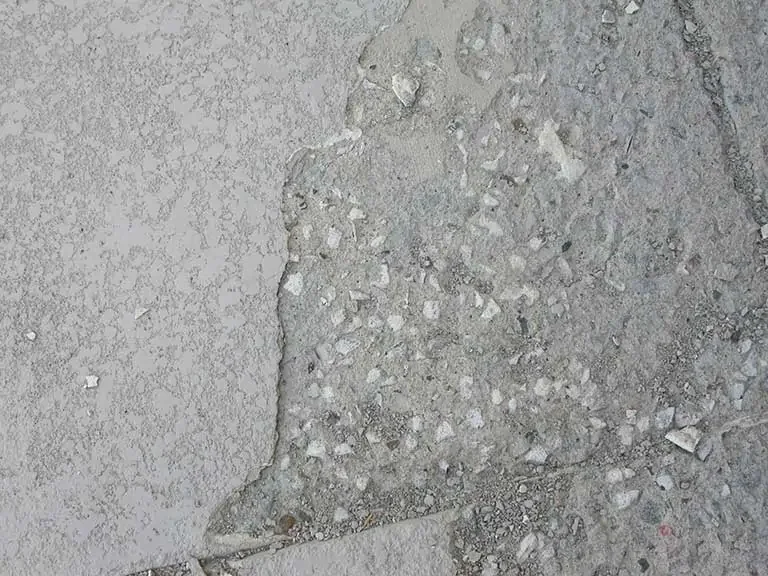
3. Your Concrete Is Rough, Flaking, or “Dusting”
Does your floor feel gritty or rough underfoot? Or do you notice a powdery residue that keeps coming back no matter how often you clean?
This is often caused by the top layer of concrete wearing down — and it usually shows up as:
rough patches
flaking or peeling areas
exposed aggregate
chalky dust
weak or porous surface texture
This kind of surface breakdown can happen for a number of reasons, but usually is caused when:
the slab wasn’t finished properly originally
the floor has been exposed to moisture
old coatings or sealers are failing
the area has had heavy traffic or abrasion
In these cases, it’s just the top layer that needs rebuilding — so a new microcement coating can be just the thing you need to create a fresh surface that looks cleaner and feels smoother.
It can also make the floor easier to maintain and reduce ongoing concrete dust issues (a major plus for garages, showrooms, warehouses, and busy homes).
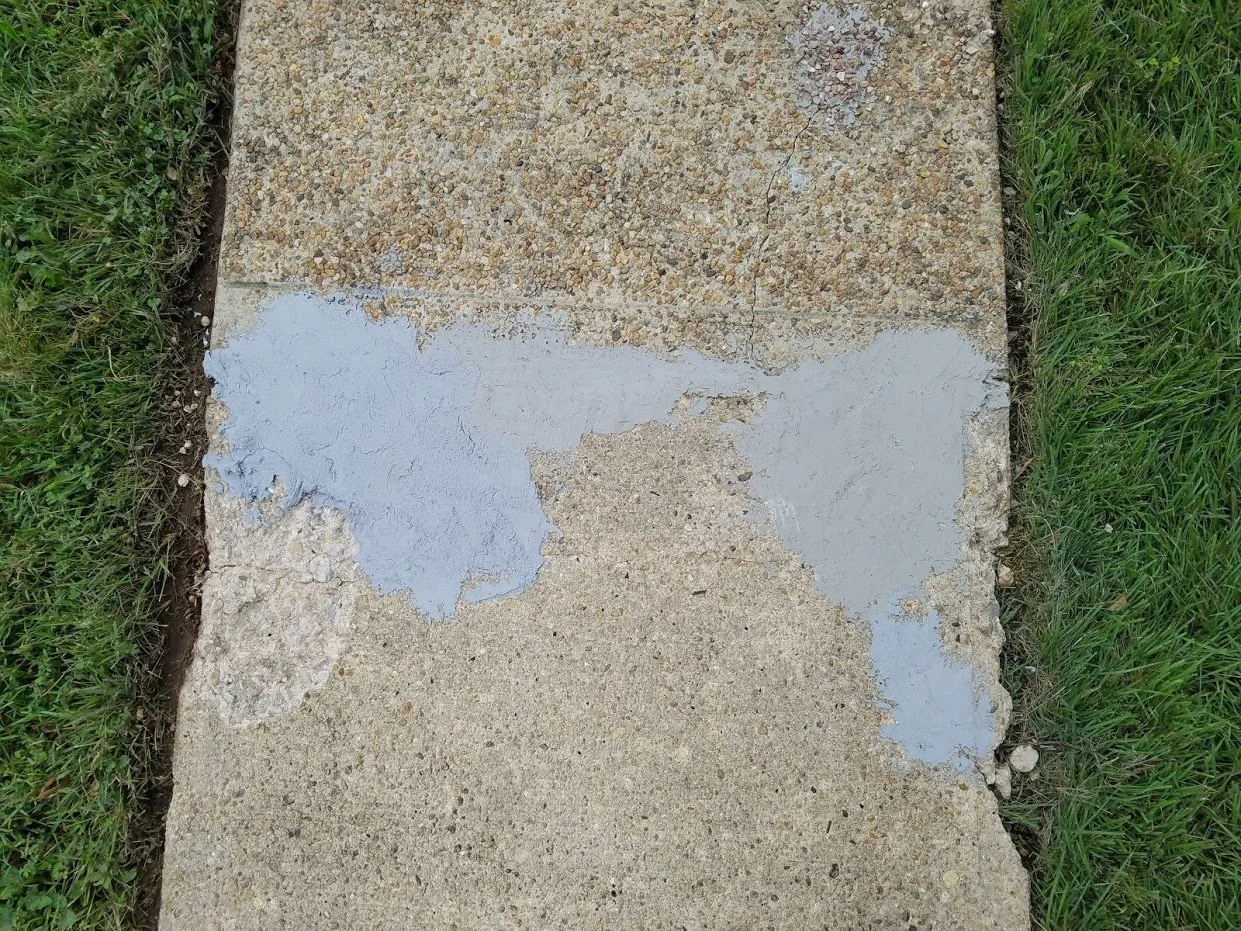
4. The Floor Looks Patchy From Repairs, Adhesives, or Old Coatings
Concrete floors often go through years of “quick fixes” and changes. Over time, they can start to look like a patchwork of different surfaces.
Some common culprits include:
visible repair patches
sections that have been ground back
uneven colour from different sealers
tile glue or carpet adhesive stains
old paint or epoxy residue
marks from previous renovations
Even when the slab is perfectly solid, these visual imperfections can make the entire space feel unfinished.
5. Your Floor Looks Outdated and You Want a Modern Finish
Sometimes there’s nothing “wrong” with your concrete floor — it’s just old, dull, and no longer suits the style of your space.
Concrete resurfacing with microcement is a great option if you want to modernise a home renovation and with greater design freedom. Microcement is very easily customised, as it’s a hand-applied finish.
You can get the best of both worlds: seamless, minimal concrete look flooring but with textural and tonal variation more to your individual preference — not to mention you can keep the existing foundation in tact.
Concrete Resurfacing vs Concrete Replacement: What’s the Difference?
Resurfacing keeps the slab and improves the surface by repairing and refinishing the top layer. It’s ideal when:
the slab is structurally sound
damage is cosmetic or surface-level
you only want to update the appearance, not the structure itself
you want a quicker and cleaner transformation
Concrete replacement means removing the slab entirely and pouring new concrete — which is often:
far more expensive
messy and disruptive
time-consuming
unnecessary for most cosmetic issues
In many cases, resurfacing can deliver a “new floor” look without needing to rip anything out.
Is Concrete Resurfacing Right for Your Space?
Concrete resurfacing can work well anywhere from residential homes, garages and sheds to retail and hospitality venues, offices… really and any renovation with existing slabs.
If you’re not sure whether your concrete can be resurfaced, the best first step is assessing:
the condition of the slab
moisture levels
existing coatings
cracks and movement
surface contamination (oil, glue, paint etc.)
Proper preparation is everything — it’s what makes resurfacing last and look premium.

In this project, microcement was specified instead of concrete floors because it provided a more matte, tonal finish — but with the same durability.
If your concrete floor is worn, stained, rough, or just outdated, resurfacing is often the smartest way to refresh it without major demolition.
A properly resurfaced floor can give you a clean, modern finish that feels brand new — and can completely transform the look of a space.
If you’re considering a seamless concrete-style finish in Melbourne, it’s worth speaking with our microcement specialists about our X-Bond resurfacing system for your home or commercial project. Get in touch now.