Easy Ways To Update Your Home Without Demolition
As design trends evolve, homes that once felt contemporary can gradually begin to show their age.
Fortunately, bringing a property up to date doesn't always require extensive demolition. Often, it's a series of thoughtful, well-considered updates that have the greatest impact — refining the way a space looks, feels, and functions while preserving existing elements that still have years of life ahead of them.
Here are some of the easiest ways to bring a dated home into the present without committing to a knockdown rebuild.
1. Resurface With Microcement
We’ve been microcement installers for over 25 years, so there’s no surprise it’s at the top of our list!
If you have old materials that you don’t like anymore, you don’t need to go through the expensive and disruptive process of demolition. As long as the existing substrate is in suitable condition, microcement offers an alternative by resurfacing directly over existing areas. This includes old tiles, concrete, stone, masonry/brick and more.
Products like X-Bond create a seamless finish across floors, walls, ceilings, and joinery in both interiors and exterior spaces — from bathrooms to garden patios. The result is a contemporary new finish that extends the lifespan of your surfaces, no demolition necessary.
For homeowners looking to modernise without completely rebuilding, it can be one of the most effective upgrades available. It's probably the most extensive process on this list, but because microcement is applied by hand, it offers flexibility. You can resurface an entire room or just focus on a single element, such as a shower, a feature wall, or a few outdoor steps leading into the patio.
Related Reading: What Does Microcement Look Like?
2. Replace Hardware
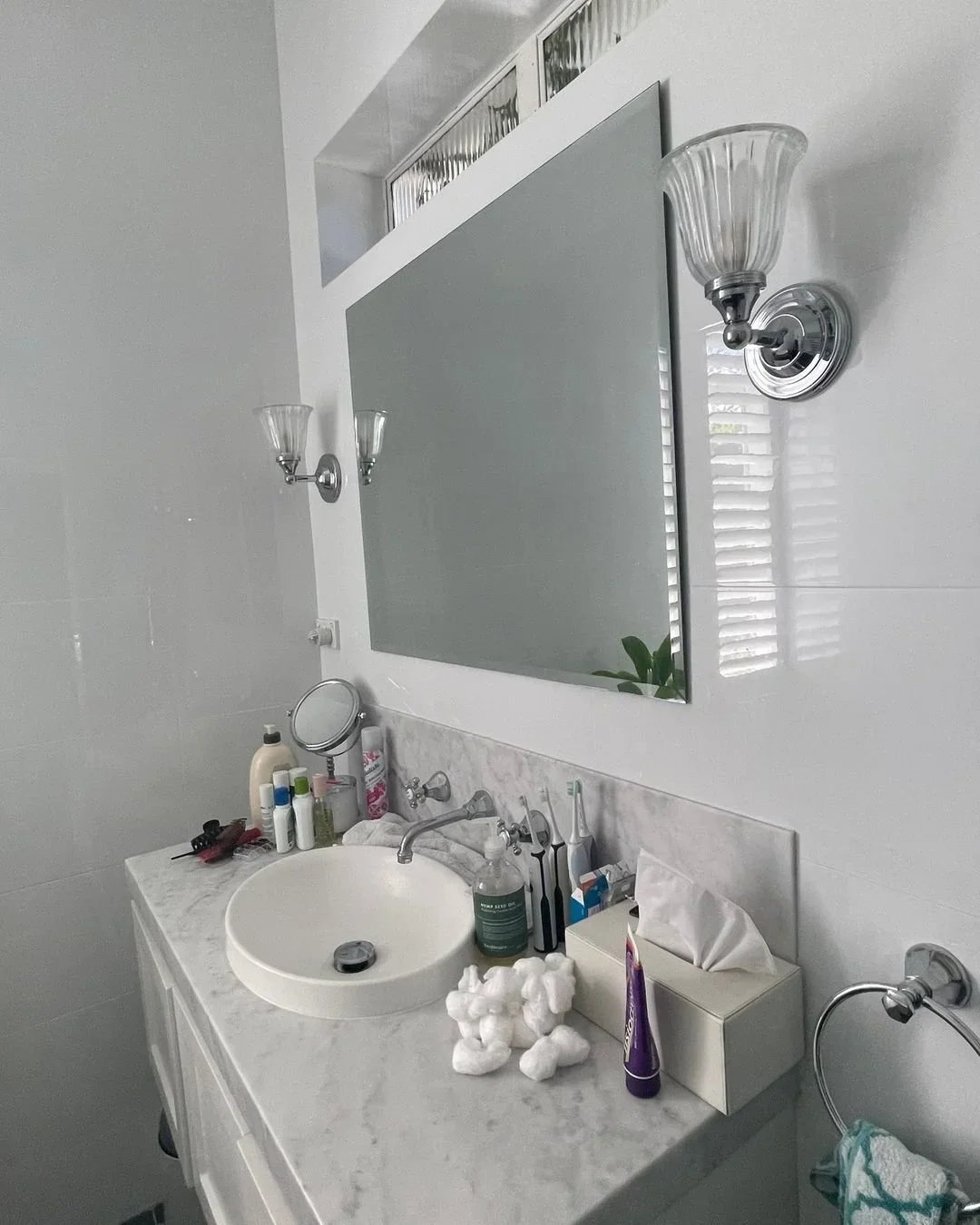
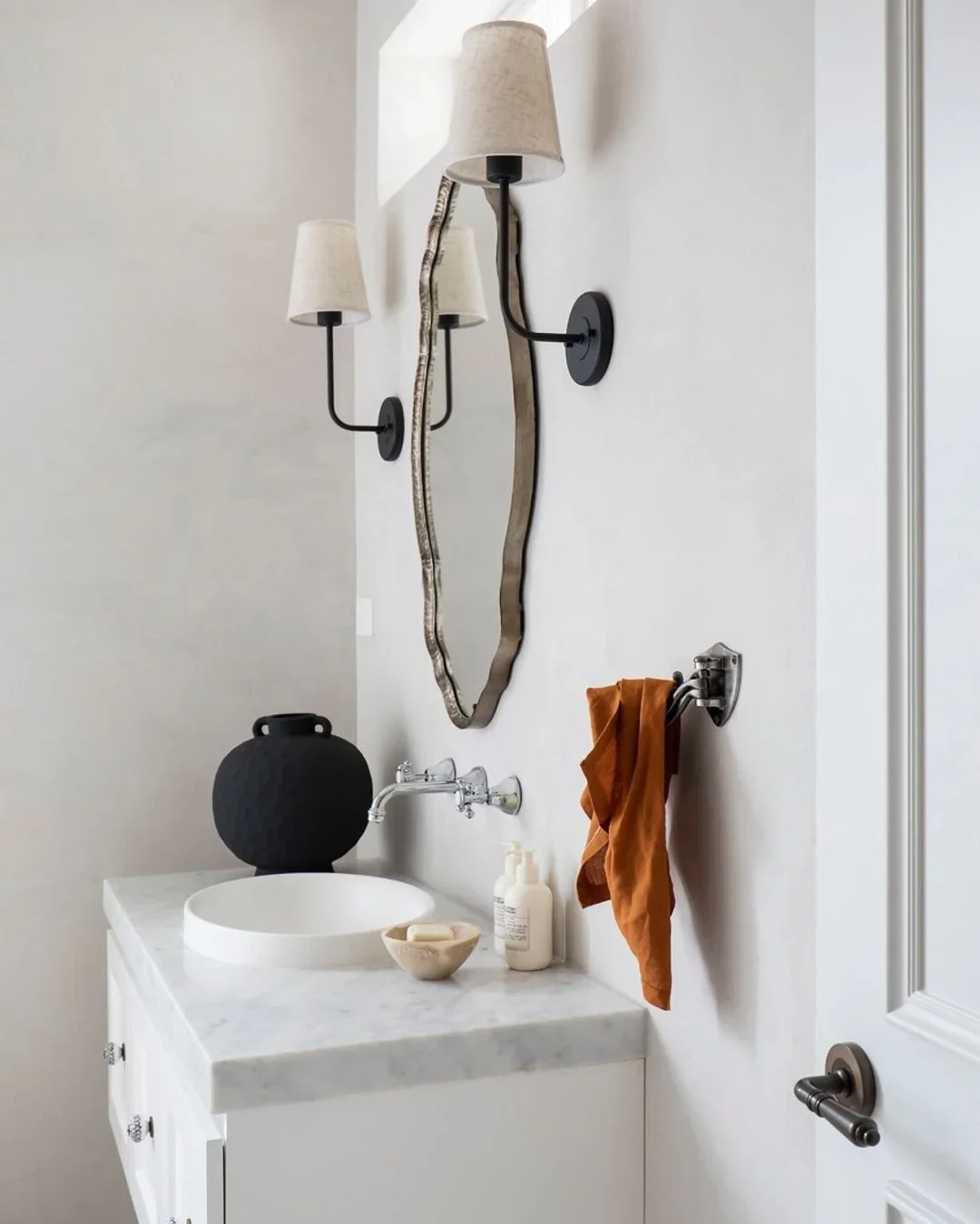
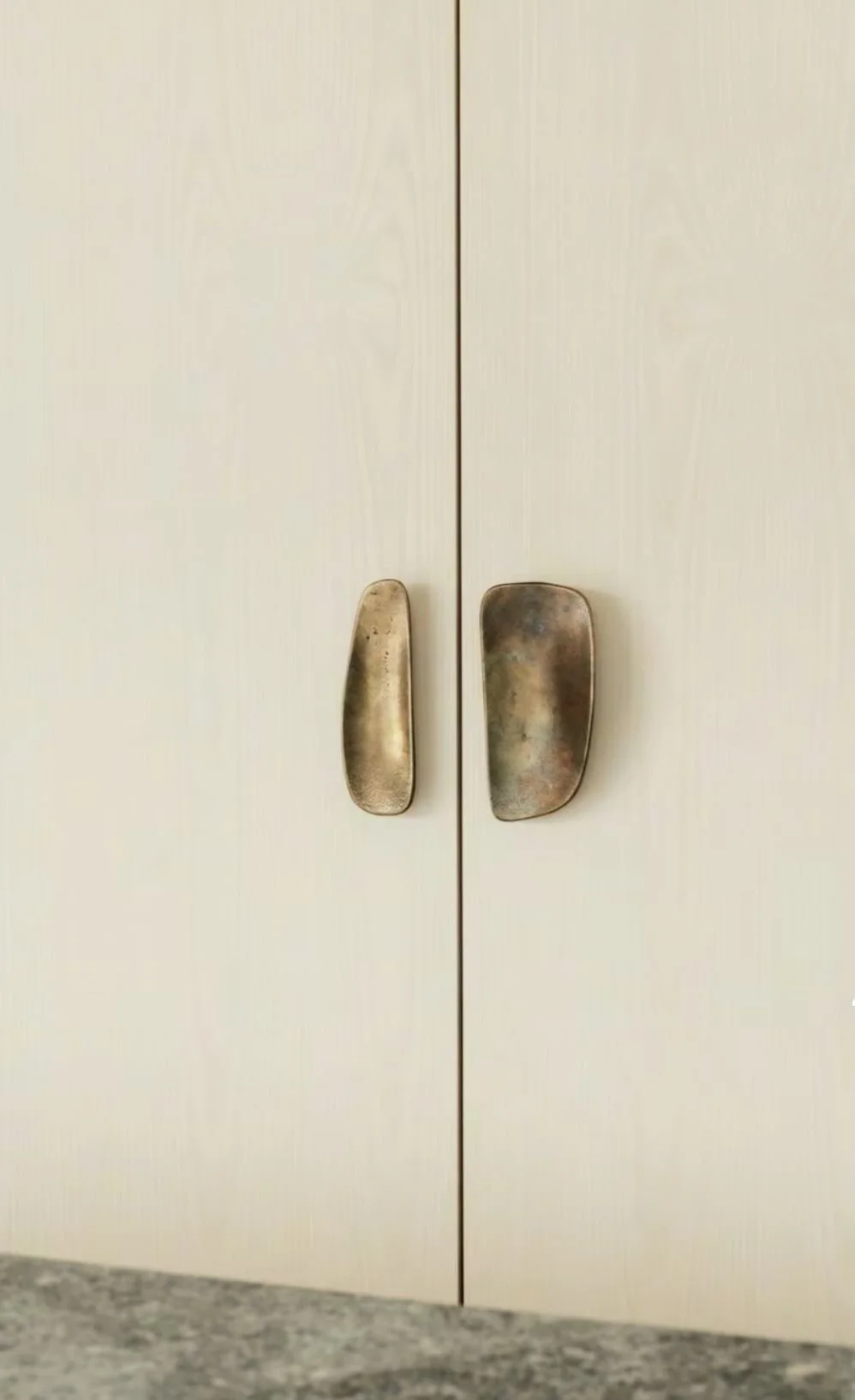
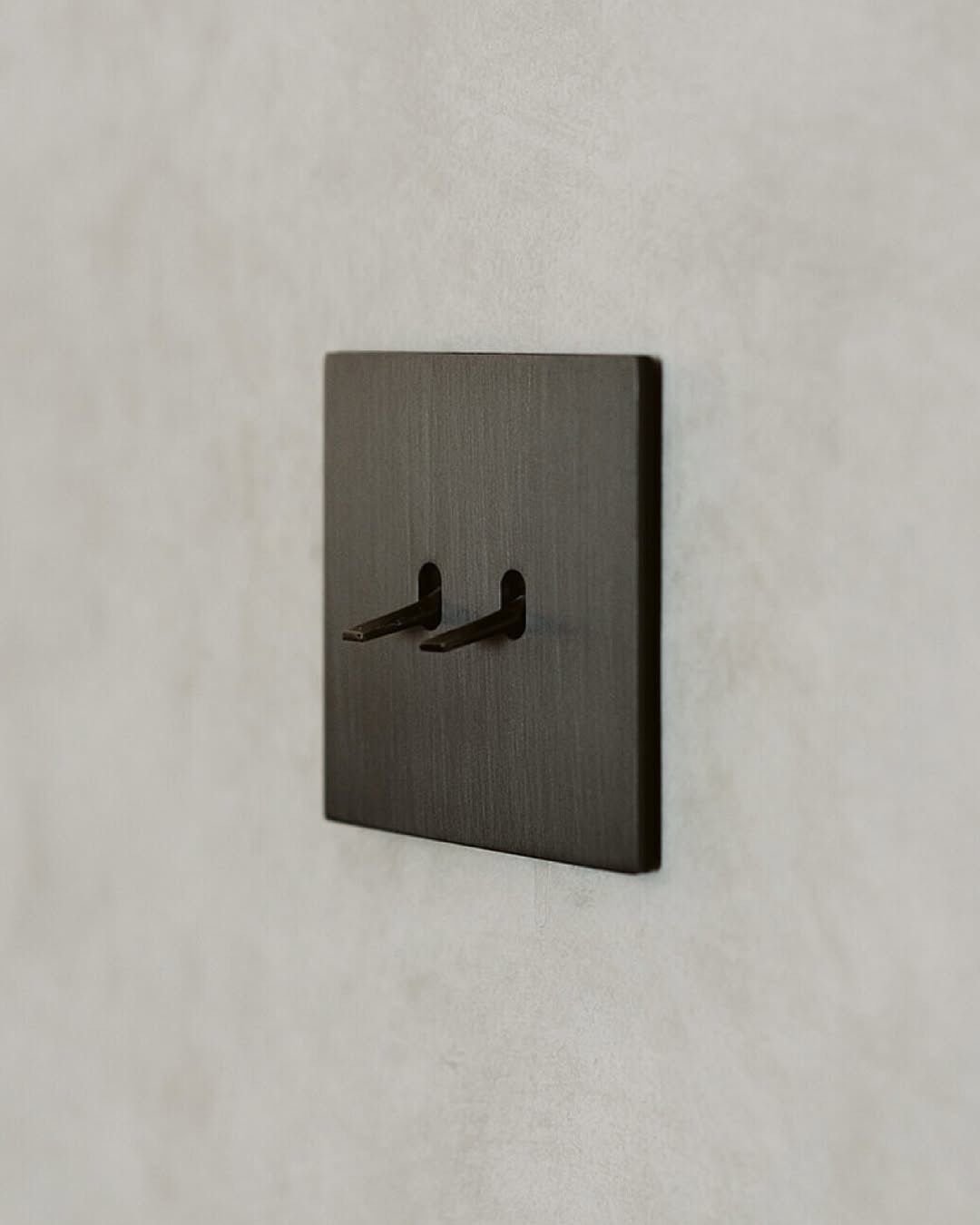
Sometimes the smallest details make the biggest difference — like swapping door handles, cabinet hardware, and even light switches.
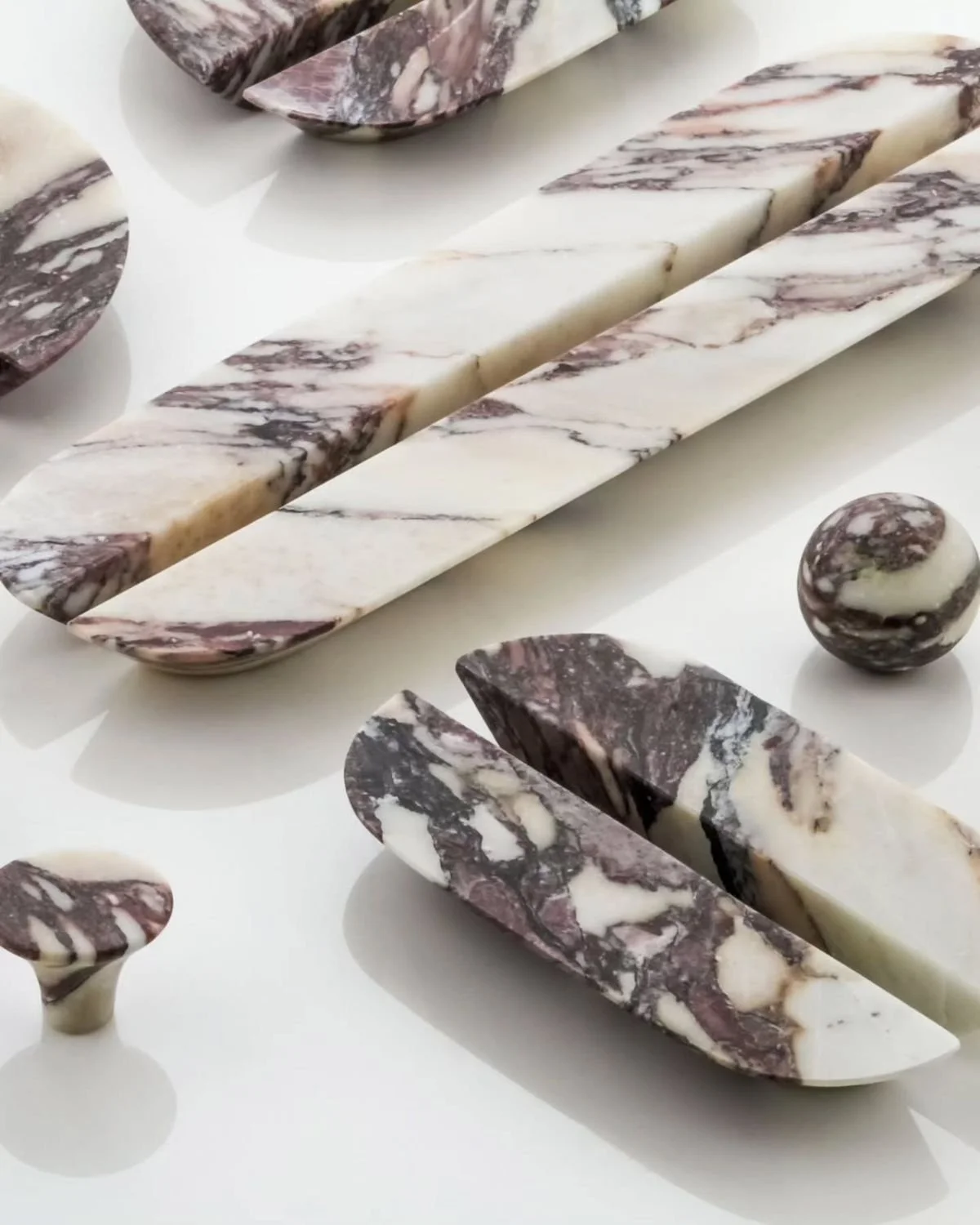
Today's hardware extends well beyond purely functional add-ons, with everything from clean, understated designs to artistic, decorative pieces that can become design features in their own right.
Whether your style is minimalist or more expressive, finishes such as brushed stainless steel, warm brass, bronze, and even natural stone can introduce texture, warmth, and personality. That might be all that’s needed to make a space feel new again.
Related Reading: Microcement Joinery Guide
3. Introduce Architectural Lighting
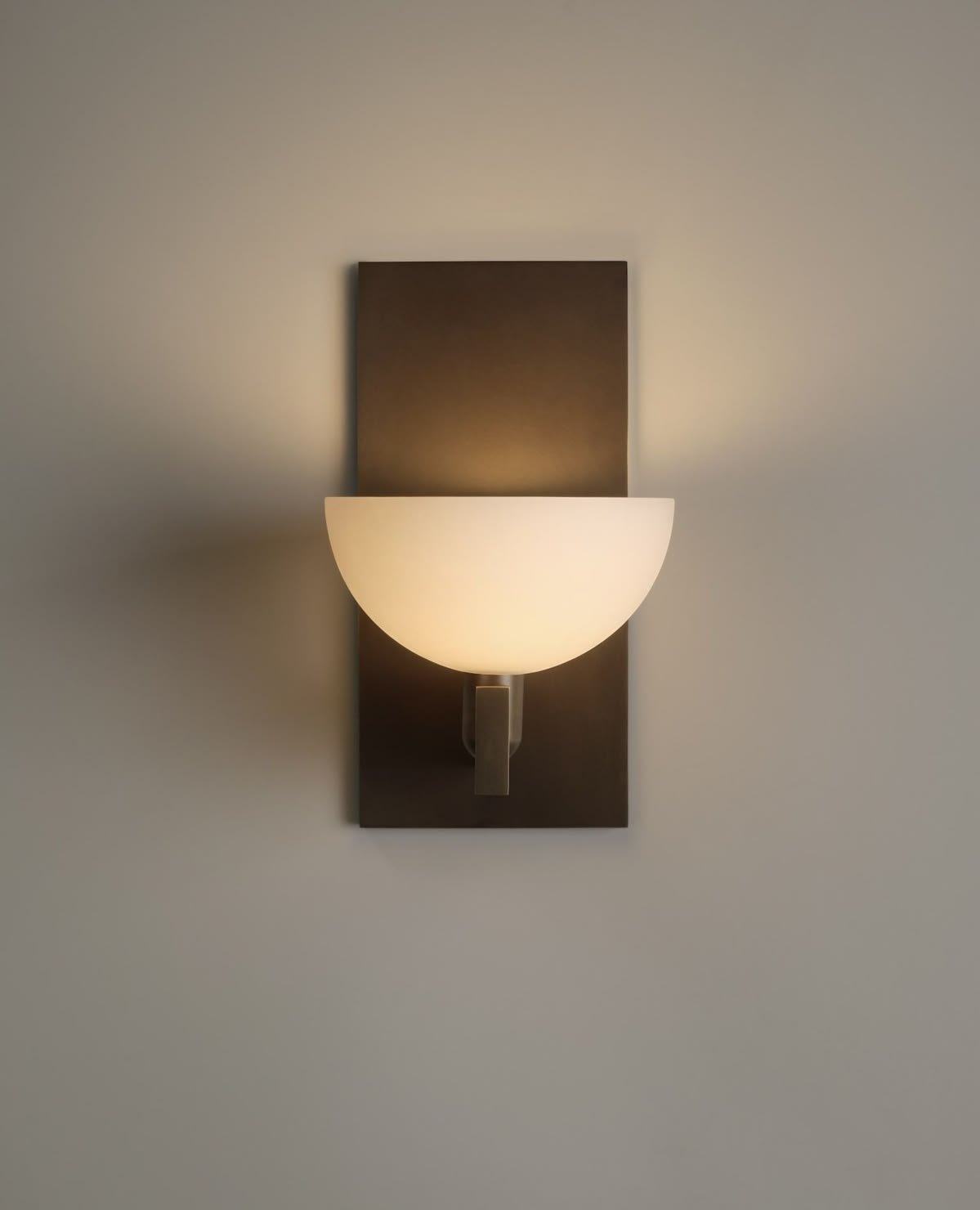
Lighting has a significant impact on how a home feels. If yours is tired, look into changing the lighting scheme.
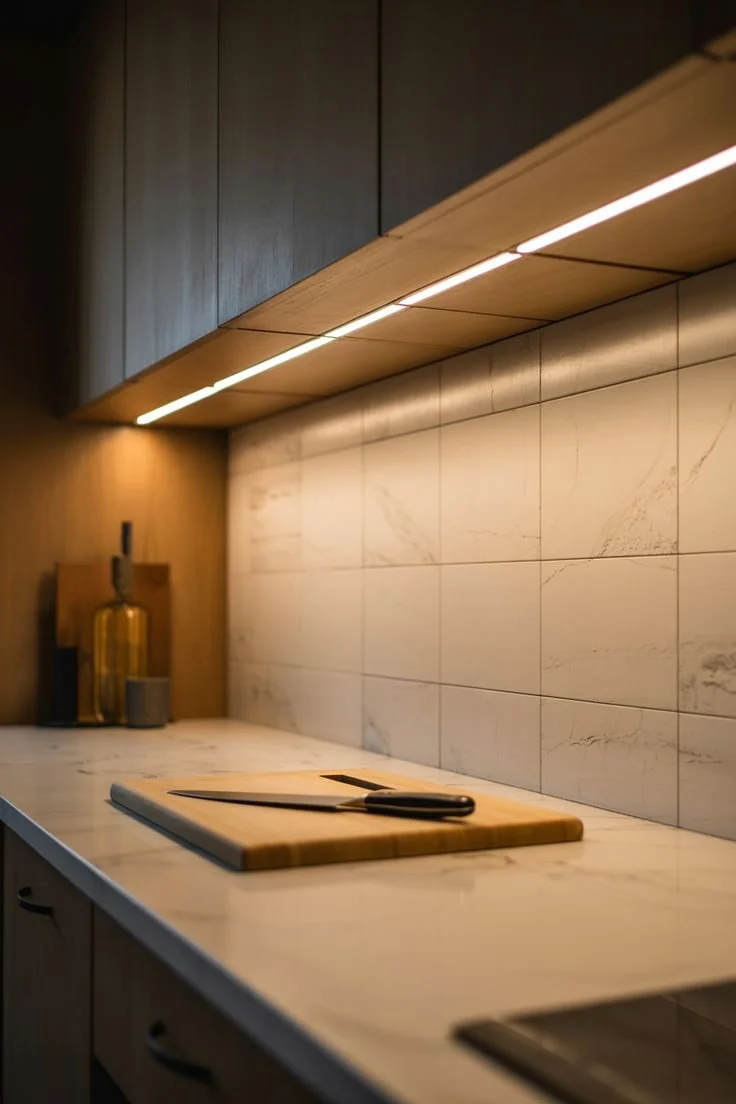
Replacing plain ceiling fittings with architectural pendants, supplementing down lights with interesting wall fixtures, or fitting existing joinery with LED strips can dramatically change the atmosphere of a space. Layering ambient, task, and accent lighting creates greater visual depth — all without changing anything else.
Even simply changing the bulb temperature to a warmer hue can make interiors feel more inviting.
4. Colour Drench
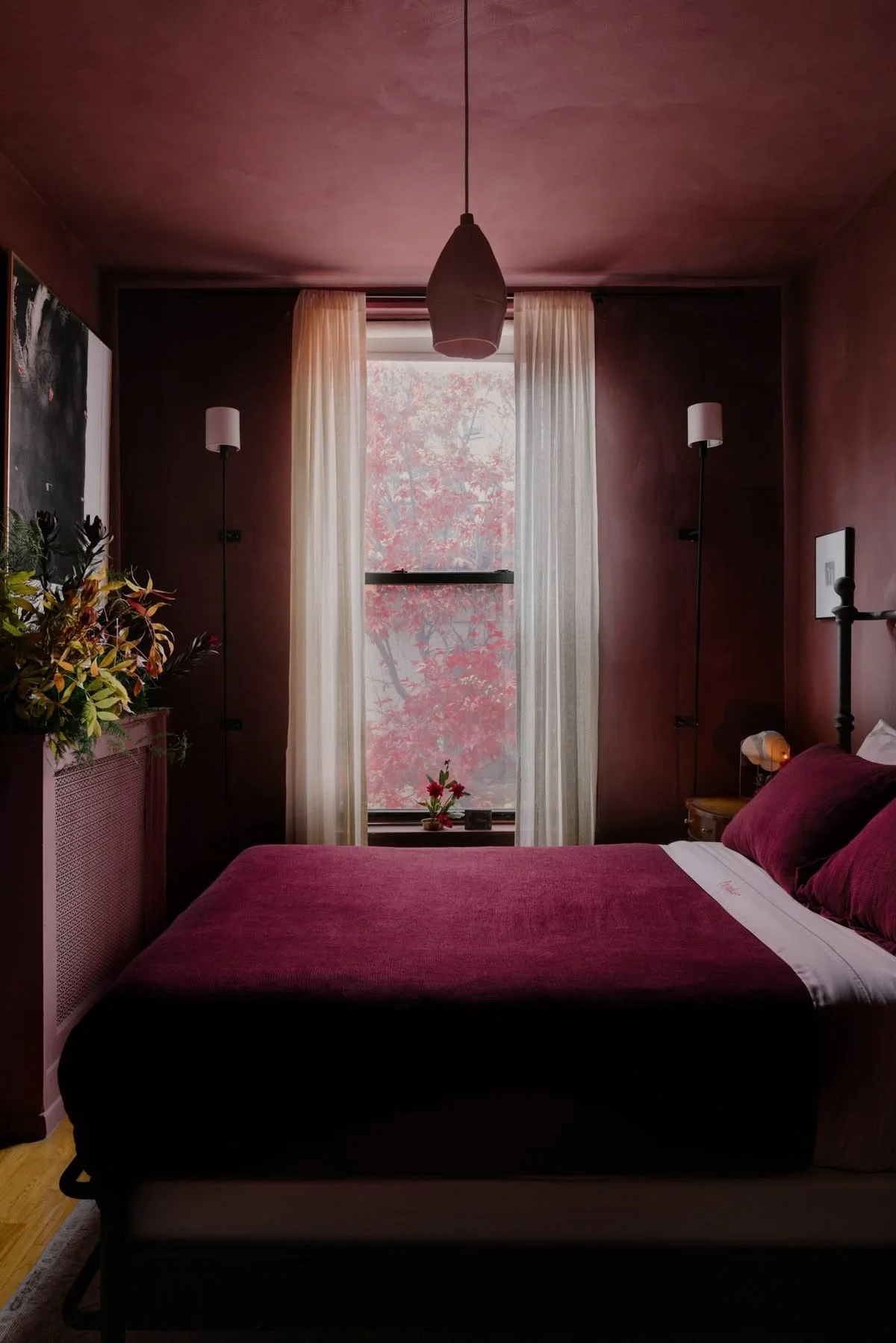
Colour is subjective; everyone has different tastes. But whether you like bold tones or neutrals, colour drenching is a great way to breathe some new life into a space.
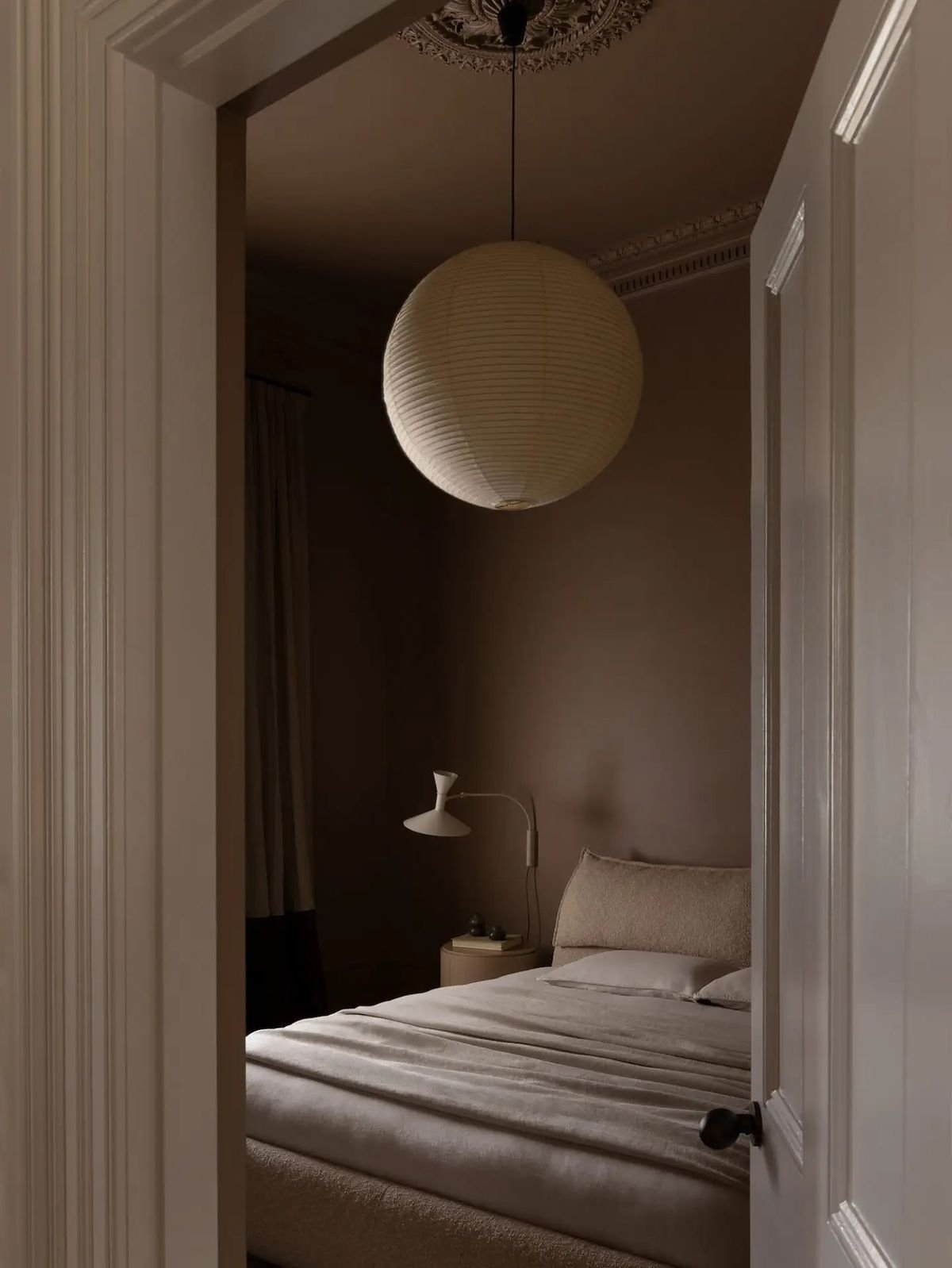
Colour drenching creates a sense of cohesion that makes a room feel more architectural. It softens transitions between surfaces by unifying walls, ceilings, and trim.
For homes with lower ceilings, small proportions, or awkward shapes, this can also help blur spatial lines and make a room feel larger, more intentional, and less visually cluttered. The best part is that painting is a relatively inexpensive update and very DIY-friendly.
Related Reading: What Pantone’s 2025 Colour of the Year Says About Design
5. Update Window Furnishings
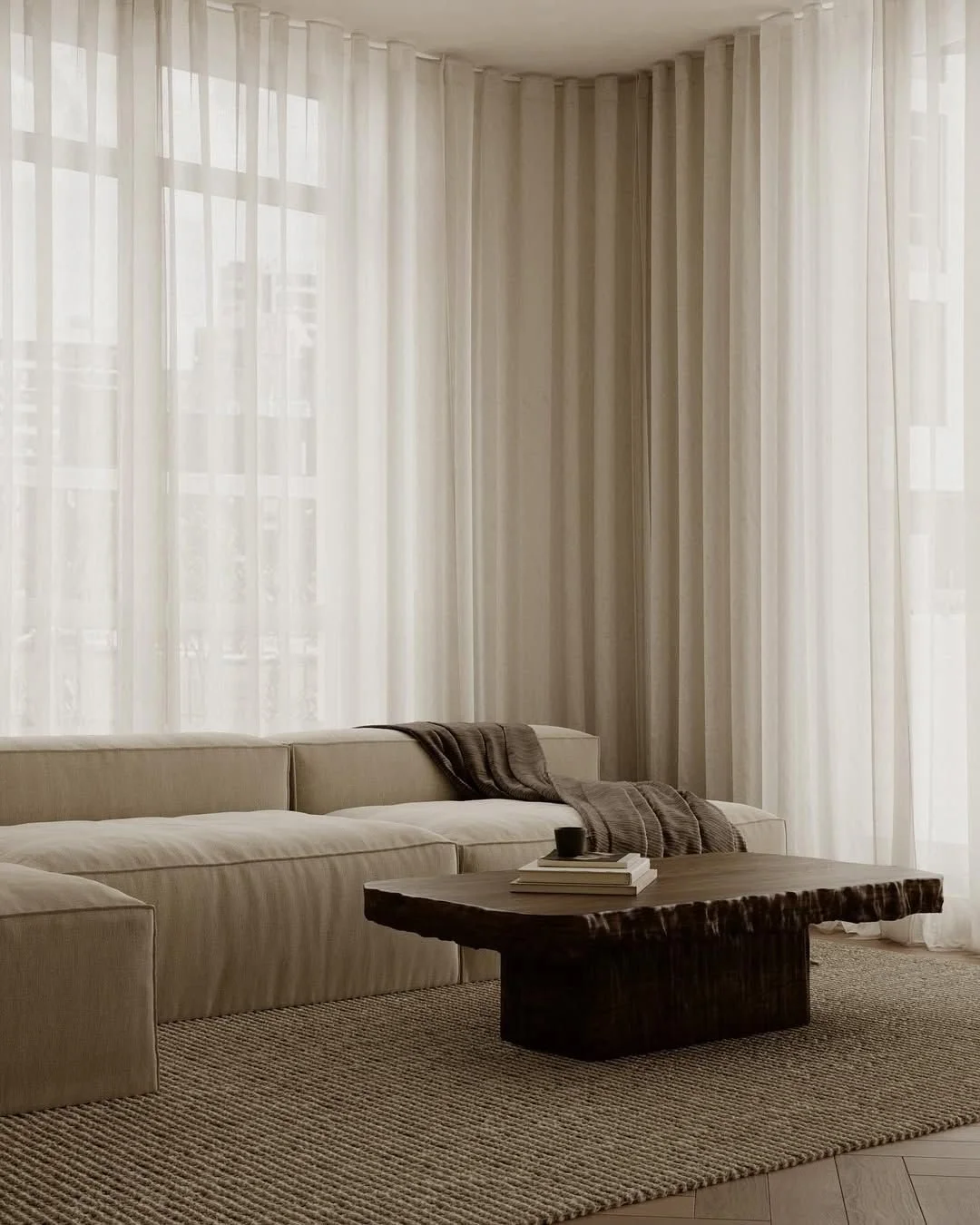
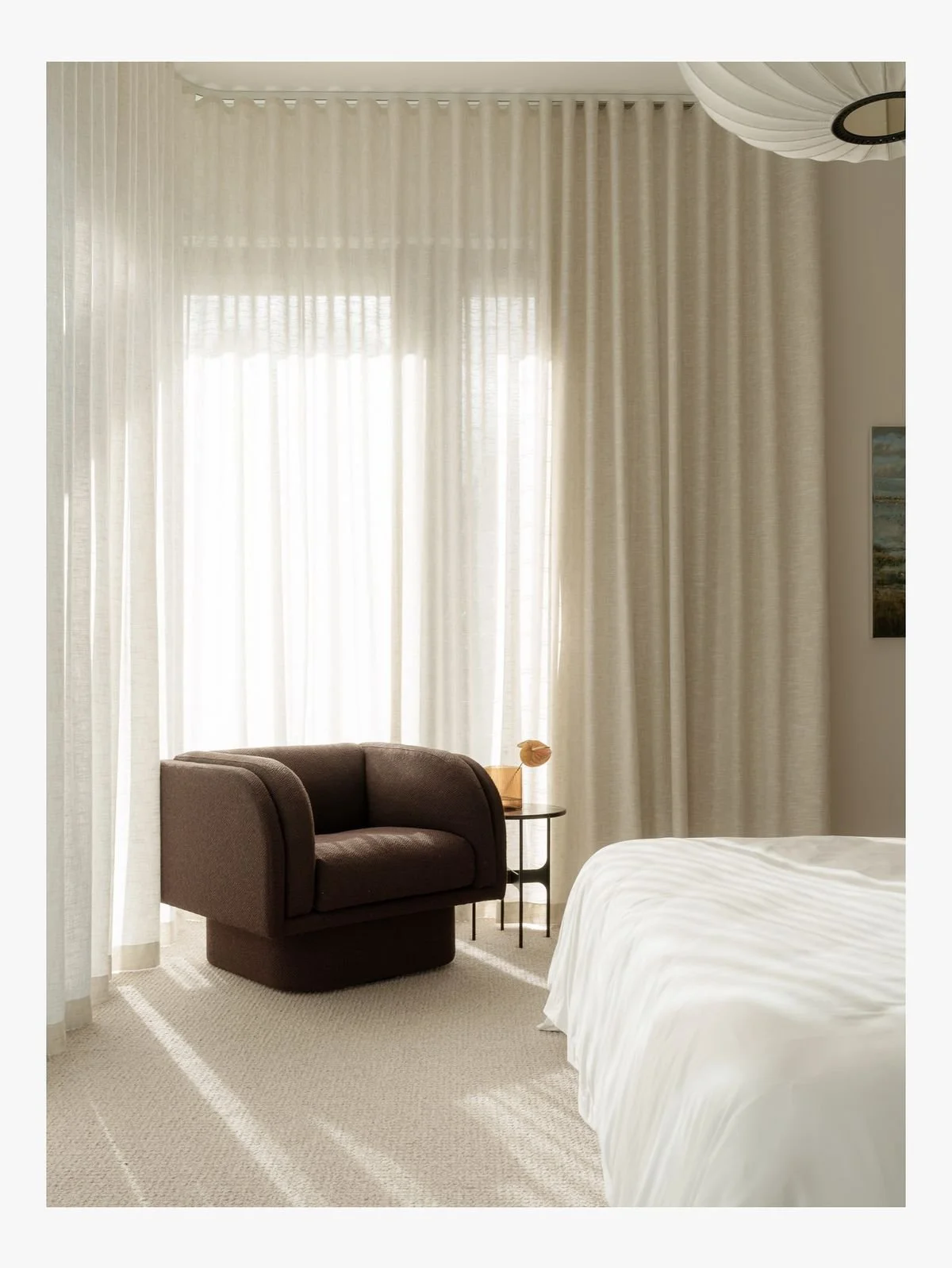
Don't overlook your window treatments. They can be one of the quickest and most cost-effective interior elements to refresh. Linen sheers and sleek full-height curtains are very in-demand right now, while roller blinds, Venetians, heavy fabrics, and ornate pelmets are all going out of style.