
Designing To Support Brand Identity
When people think about brand identity, they often think of logos, packaging, and marketing campaigns. But for businesses with a physical space — whether it’s a store, venue, office or showroom — some of the most powerful branding decisions happen within the built environment itself.
The space customers and clients inhabit influences how they perceive a brand long before they interact with a product or service. In corporate environments, the same goes for your employees and company culture. Materials, lighting, colours, textures, and spatial planning all contribute to the impression a business leaves behind.
So, the most successful commercial interiors don't simply look attractive. They communicate a clear message about who a brand is and what it stands for.
A luxury fashion retailer expresses exclusivity and craftsmanship, while a streetwear label projects energy and innovation. Offices should represent your values, whether it’s a focus on sustainability or wellness. From beauty clinics to medical spaces, creating a sense of calm is key for health practitioners.
(Click the links above to view our case studies!)
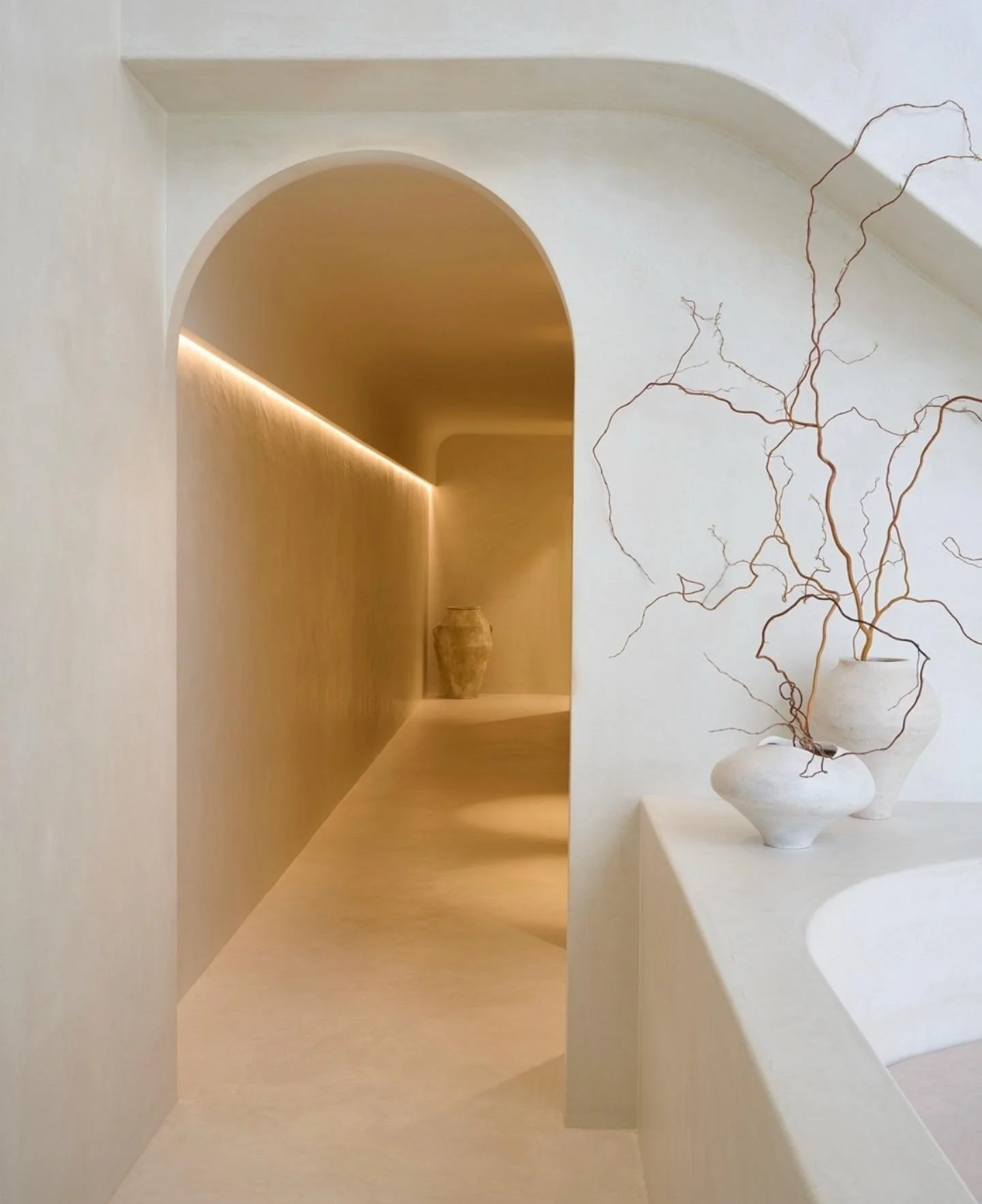
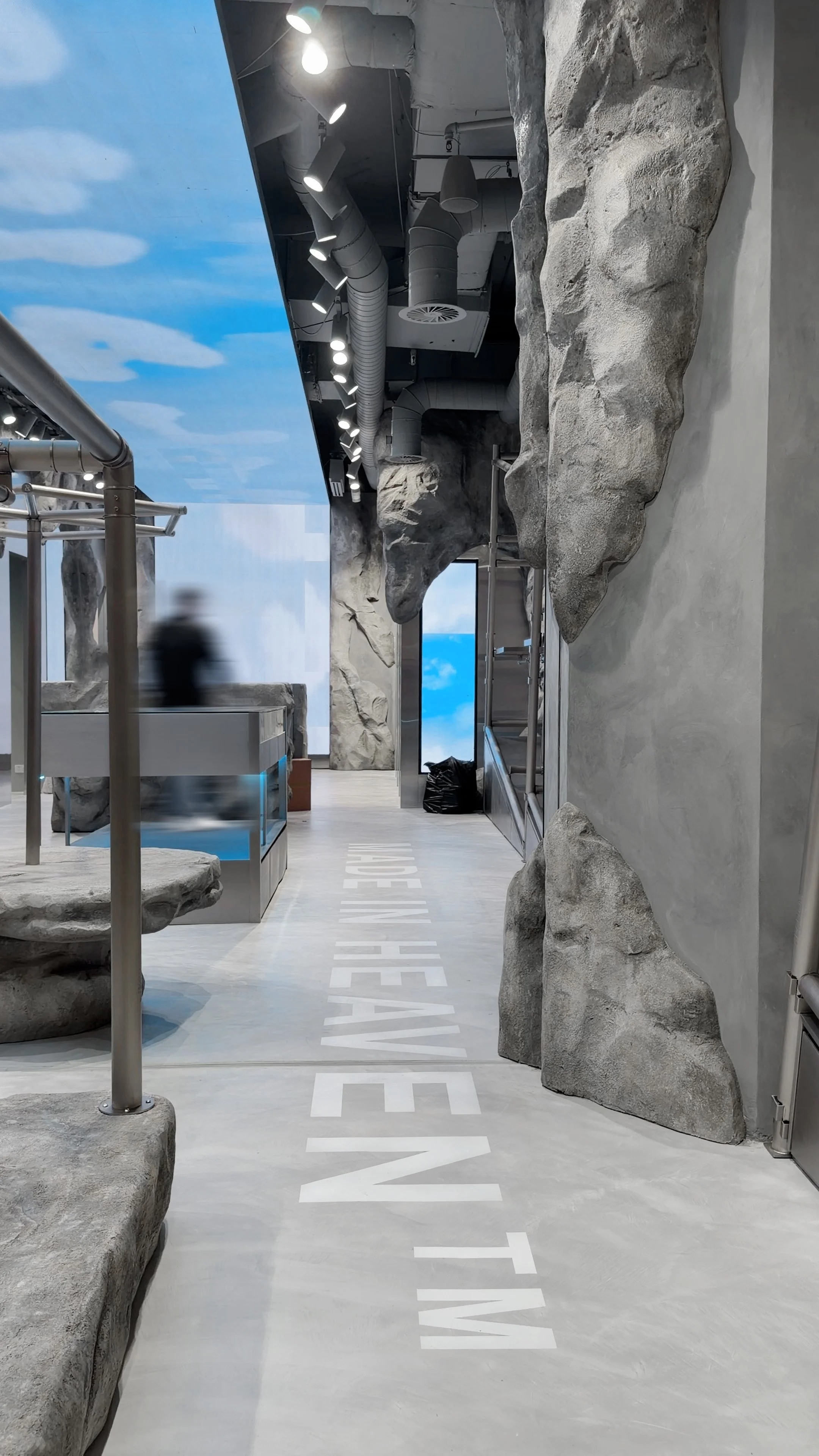
Consistency Creates Recognition
One of the strongest principles in branding is consistency.
Brands invest heavily in creating visual DNA that remains recognisable across websites, packaging, advertising, and social media. Logos, typography, colour palettes, and imagery… The physical environment is effectively a three-dimensional extension of these identity elements, translated into a tangible experience that customers, clients, or employees can walk through, interact with, and remember.
This becomes even more important for businesses operating across multiple locations. Whether a customer visits a flagship store in Melbourne or a second site interstate, there should be a sense of familiarity and continuity. While individual locations may vary in size, layout, or architectural character, designers should prioritise materials, finishes, colours, and detailing that can be adapted across different sites without losing its identity.
Beyond visual recognition, commercial environments also play a role in communicating a brand's message. Every business wants to be known for something, whether that's craftsmanship, innovation, sustainability, exclusivity, creativity, community etc. When design decisions align with a brand's values and positioning, the result feels authentic and memorable. Materials, lighting, layout, and architectural detailing play a huge role in influencing how people perceive a brand, before they have interacted with a product, service, or member of staff.
Shaping Customer Experience
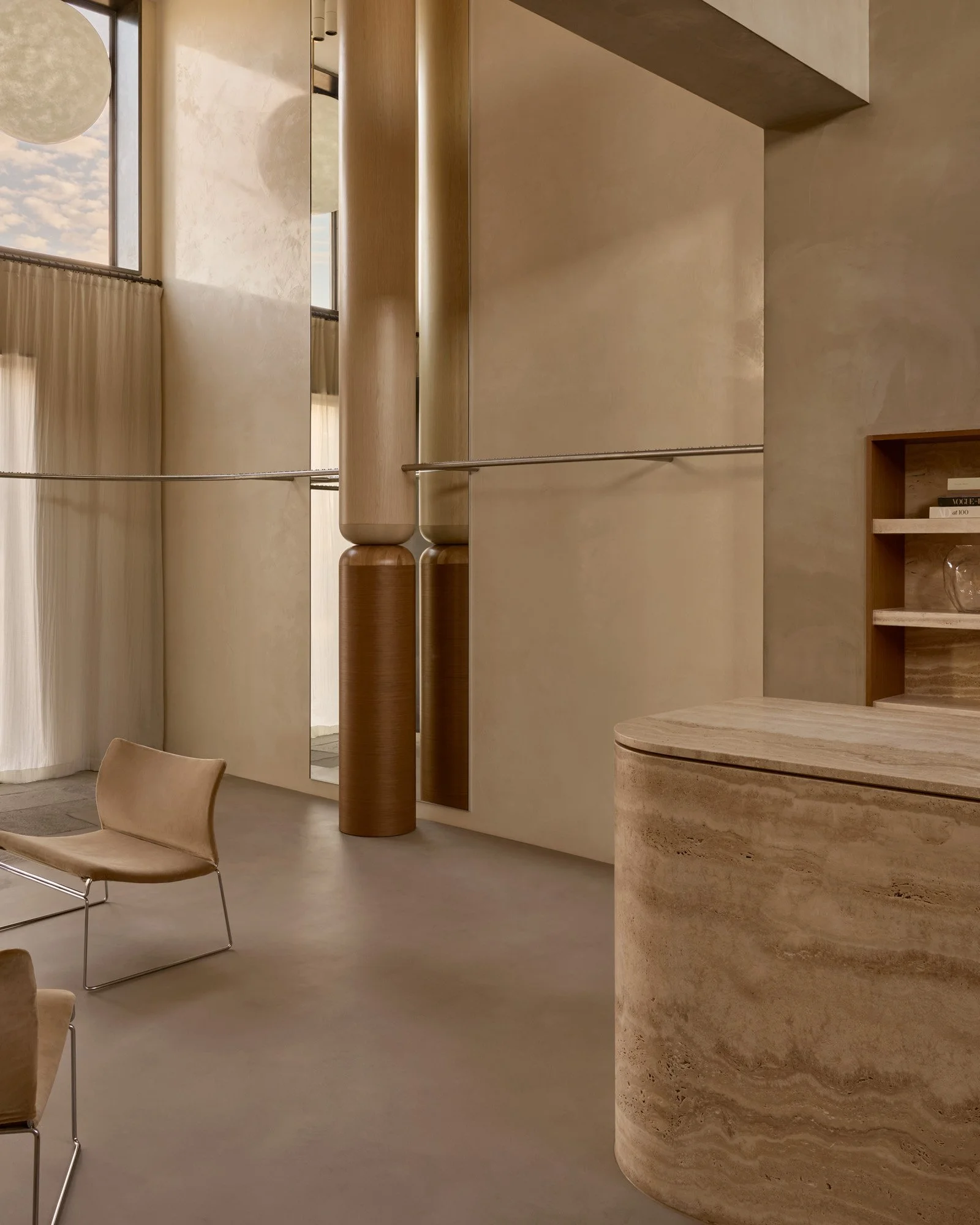
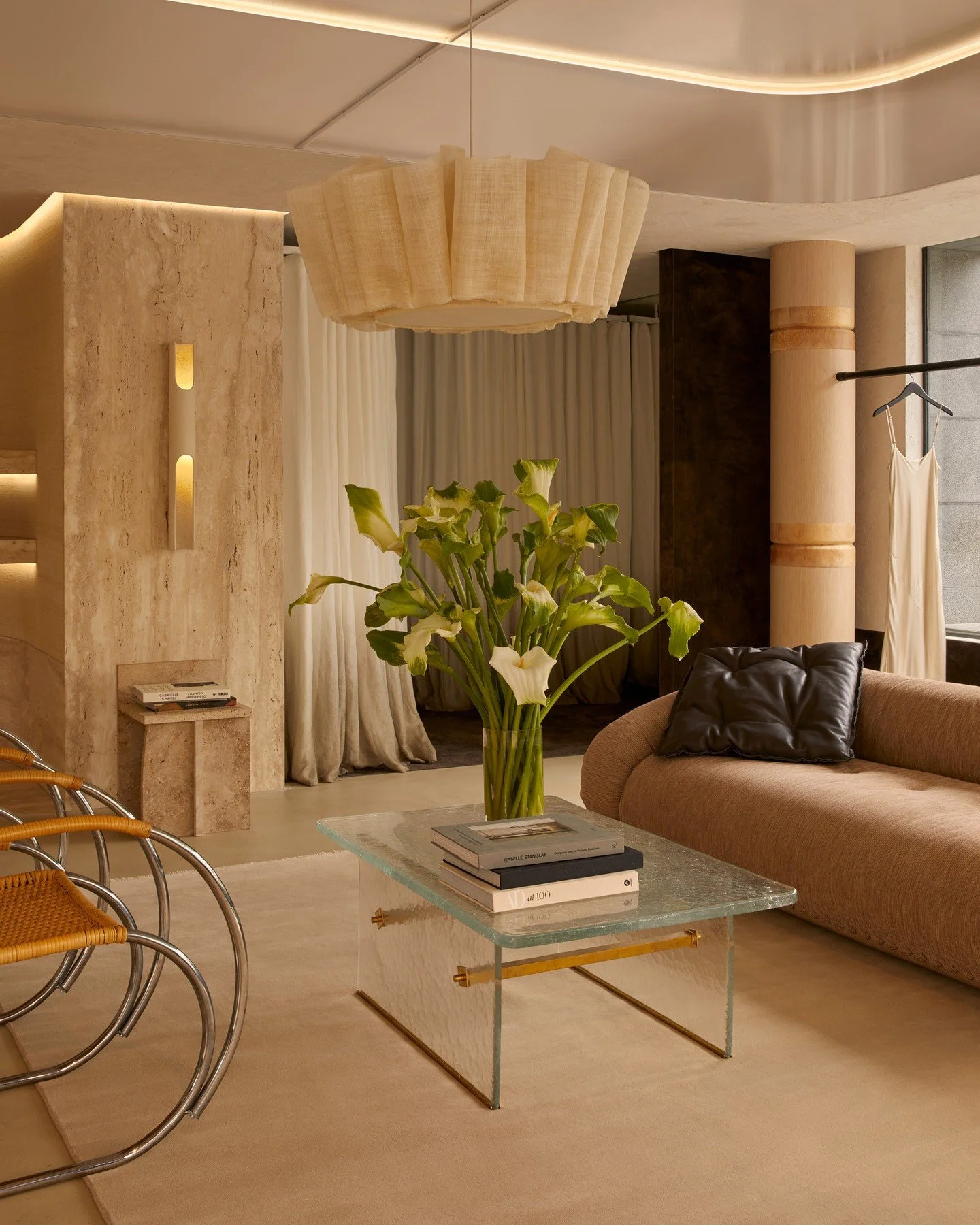
Brand identity isn't only visual. It's also experiential, communicated by the way a space feels — the atmosphere created by texture and materiality.
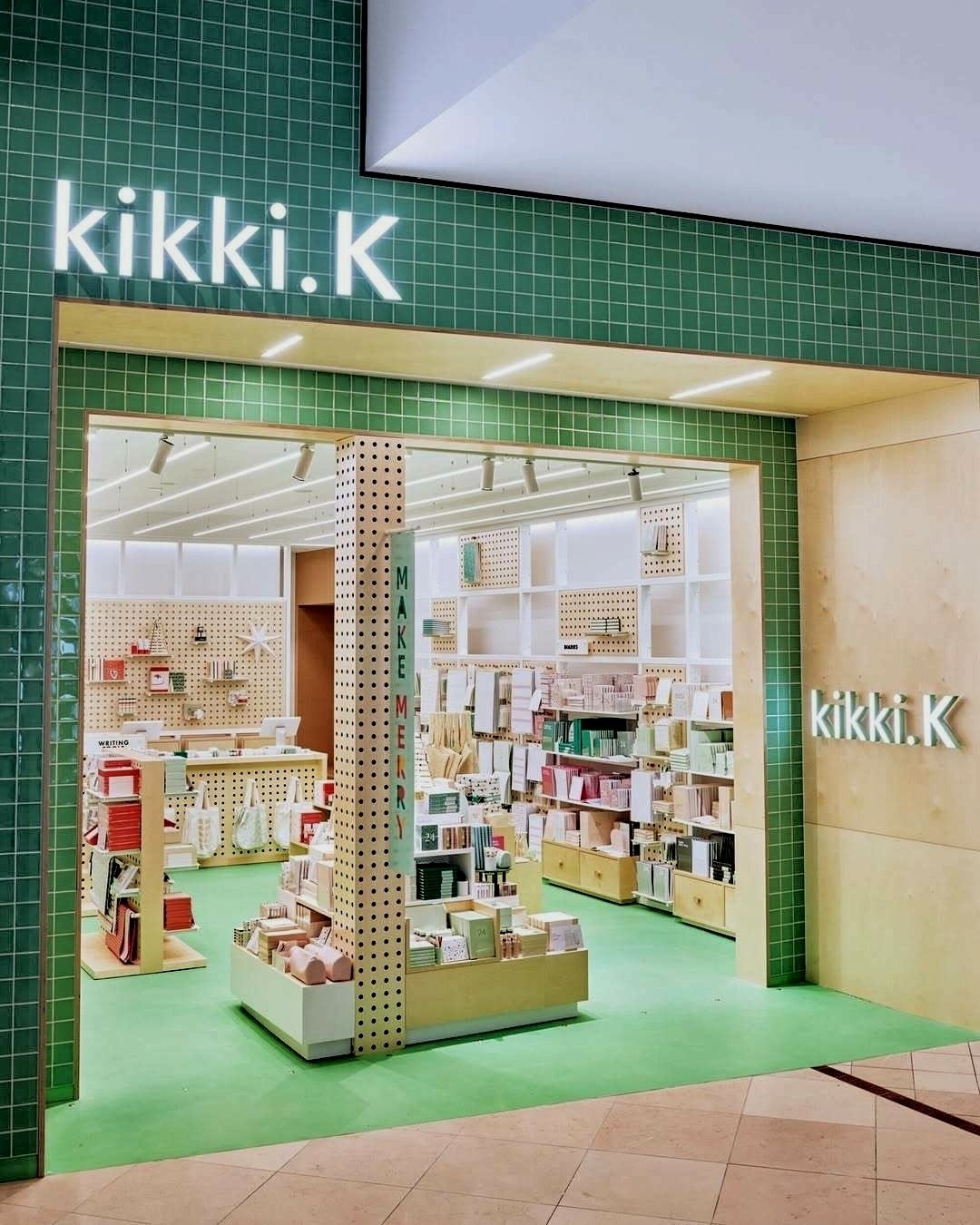
Consider the difference between walking into an Aesop store finished with seamless mineral surfaces and soft earthy tones versus entering the bright, graphic Kikki.K store. Each environment creates a different emotional response, even before any interaction with staff or products occurs.
Designers often speak about creating experiences rather than simply creating interiors. Material selections play a significant role in achieving this objective.
See this in action at Society by Russel & George.

Longevity Matters
A well-designed commercial space should continue supporting a brand for years, not just during its opening phase. Design trends evolve quickly, but businesses benefit from environments that remain relevant as their brand grows and adapts.
This is why many designers and commercial fit-out specialists prioritise materials with enduring appeal over highly fashionable statement finishes that may feel dated within a short period.
Related Reading: What Makes Timeless Home Design
Considering Practicality
While aesthetics play a significant role in shaping perception, commercial spaces must also perform in a practical sense. The most successful commercial environments balance visual impact with durability, maintenance requirements, and day-to-day functionality.
High-traffic areas, customer-facing surfaces, and frequently touched elements need to withstand constant use without quickly showing signs of wear. A finish that looks impressive on opening day but deteriorates rapidly can undermine the very brand values it was intended to communicate.
For this reason, designers often consider factors such as cleanability, longevity, repairability, and ease of maintenance alongside aesthetics. Materials that retain their appearance over time help create a more consistent customer experience and reduce the need for disruptive refurbishments.
Ultimately, a branded environment should not only reflect a company's identity but also support the functional realities of operating a commercial space. The strongest design solutions are those that perform as well as they look.
Related Reading: Your Best Commercial Flooring Options
Where Microcement Comes In
With all the above in mind, commercial fit-outs often require a careful balance between distinctiveness and pragmatism. Designers need spaces to feel brand-aligned and memorable, while remaining versatile and functional to meet its demands.
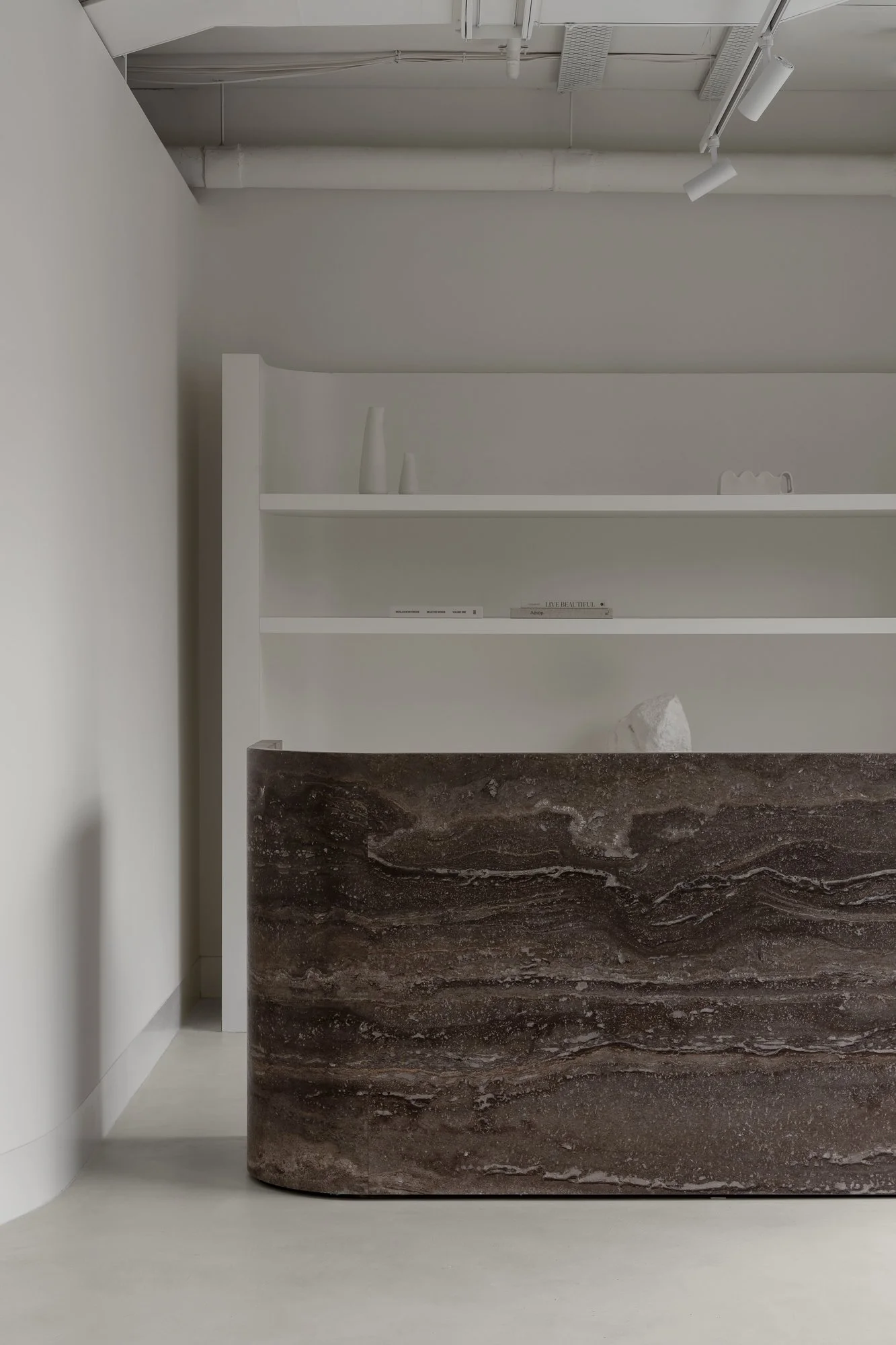
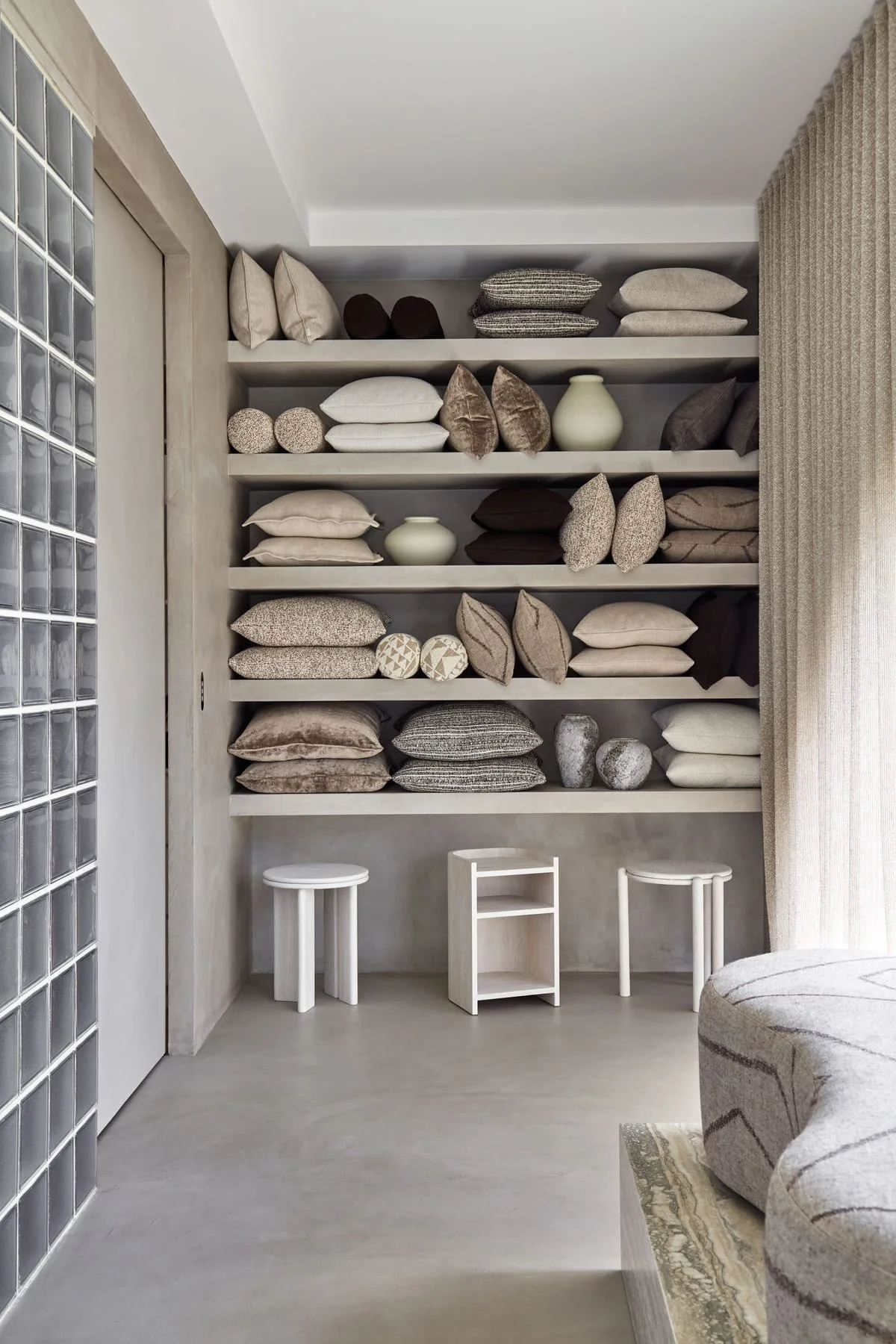
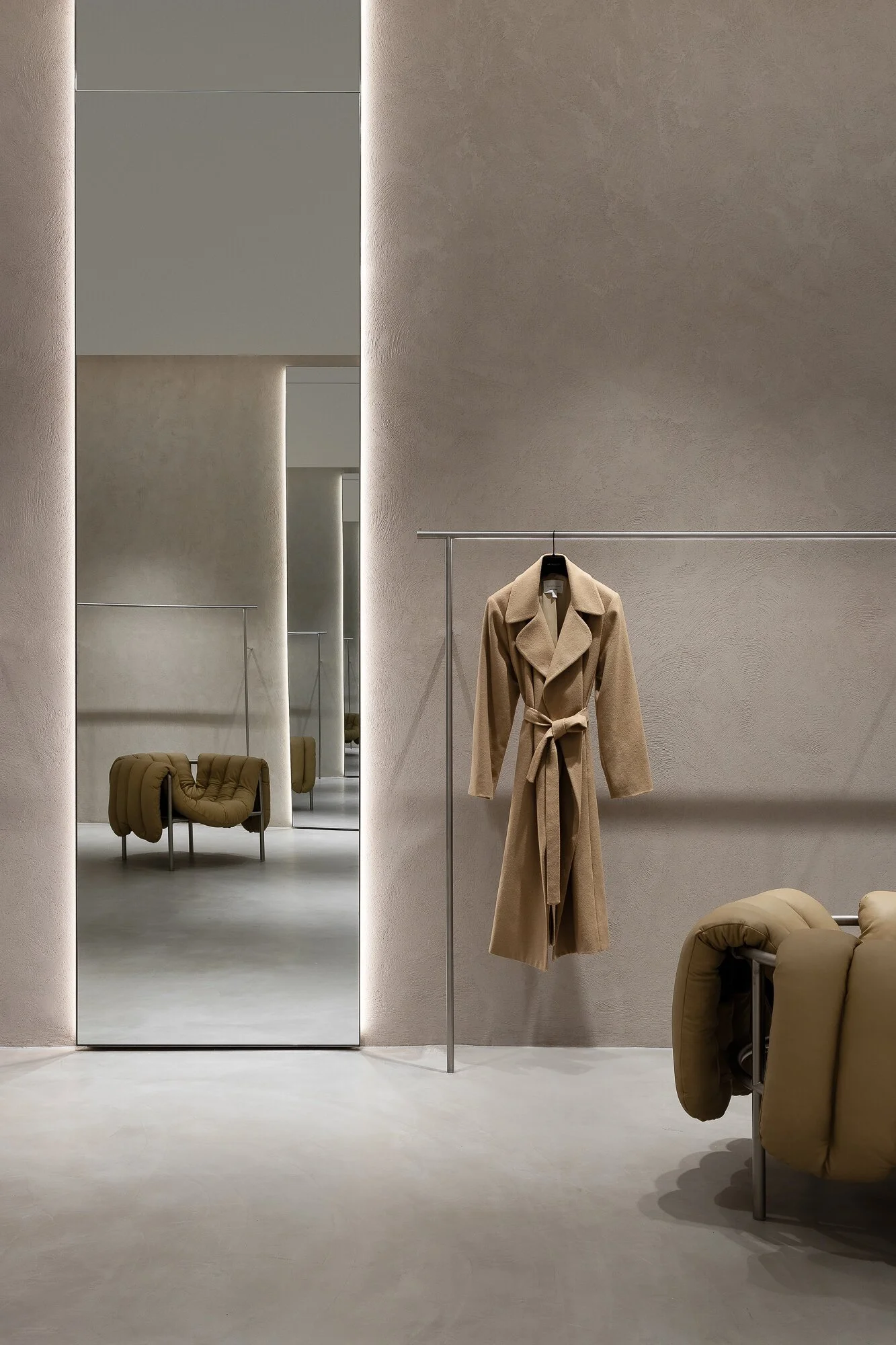
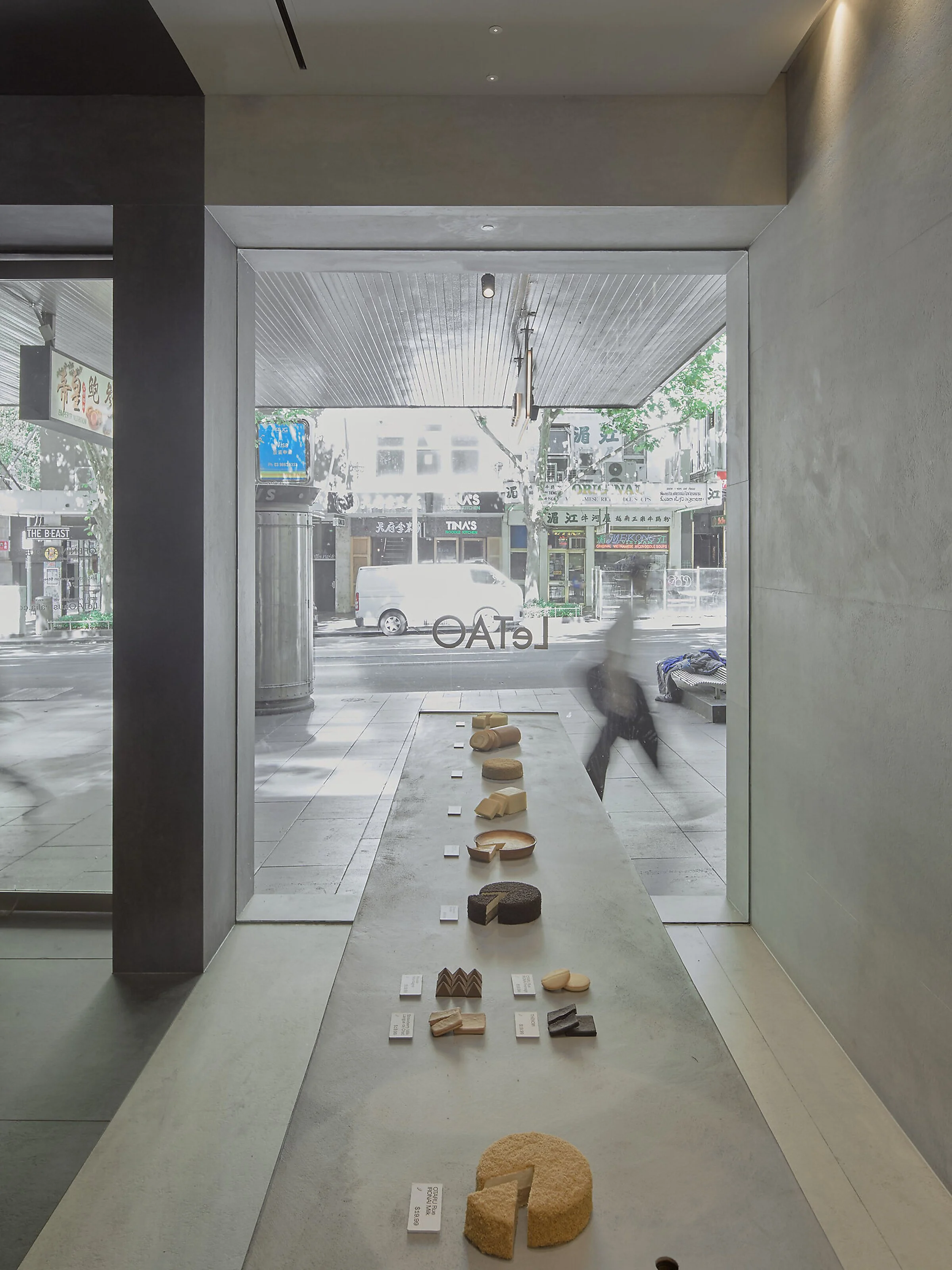
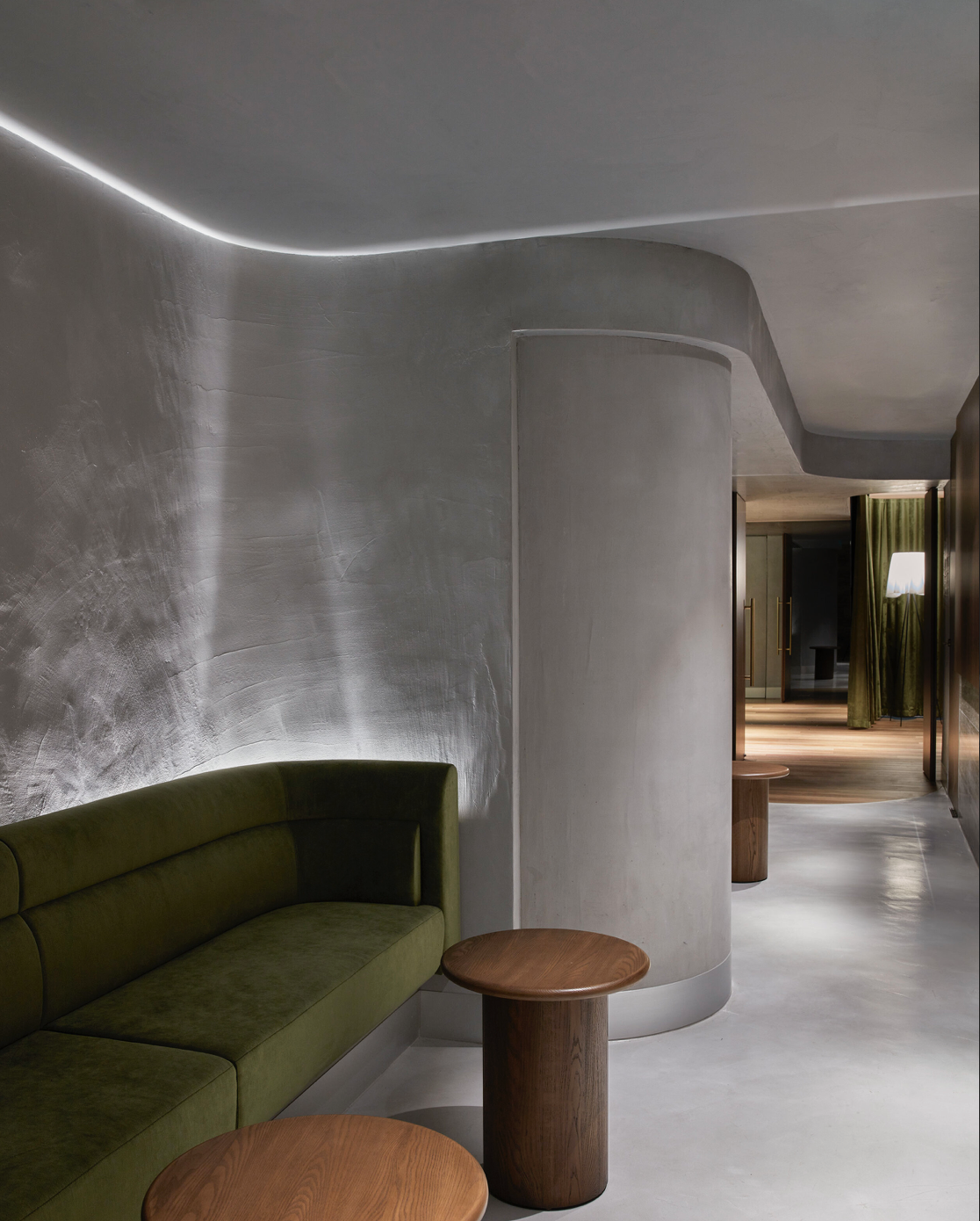
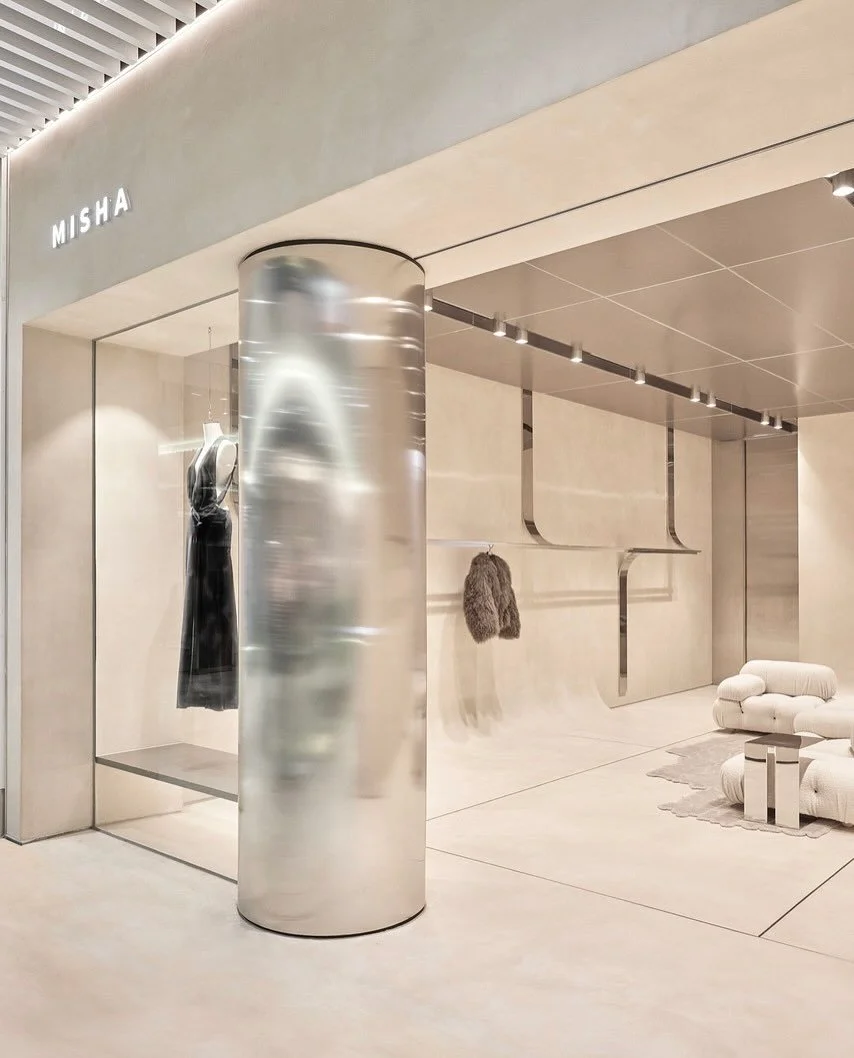
This is where microcement comes in. Applied by hand in thin layers, microcement creates a seamless surface that can be used across floors, walls, counters, display plinths, joinery, and other architectural elements. Microcement's versatility, handcrafted character, customisable colours, and range of textures provide enough flexibility to create something truly unique and adapted to suit the personality of the brand.
Beyond its aesthetic qualities, microcement is a highly practical material. Its seamless nature makes it easy to clean and maintain, while its durability allows it to withstand the demands of busy commercial environments. This combination of performance and design flexibility makes it particularly well suited to retail, hospitality, wellness, and workplace settings, where finishes need to support the practical realities of daily operation.
It occupies a space few materials do, offering both the architectural flair and the durability, ease of maintenance, and functionality required in commercial environments.
Learn More: Microcement for Commercial Spaces
Brand Identity Is Built Through Details
The strongest branded environments rarely rely on a single design feature. Instead, they are the result of hundreds of small decisions working together. Elements like material selections, colour choices, lighting design, furniture specification, and spatial planning all contribute to the overall experience.
For retail designers, architects, and business owners, the goal should be to create spaces that communicate a clear and authentic message about the brand. When every design decision supports that message, the result is an environment that feels cohesive, memorable, and unmistakably aligned with the business it represents.