
Concrete Resurfacing Melbourne
X-Bond Microcement Concrete Overlay
Refresh existing concrete without demolition using X-Bond Microcement. Suitable for residential and commercial concrete floors, walls and internal or external concrete surfaces.
What is the easiest way to resurface concrete?
Are you looking to resurface your existing concrete? Maybe the concrete slab didn’t turn our the way you hoped, the colour of the concrete might not be right, it’s in a bad condition, or you would like to apply a new finish over your concrete floor for a refresh. Whatever the reason, we can help you with your concrete resurfacing needs. Concrete resurfacing is a process by which a new finish is laid directly over old concrete. X-Bond Microcement is Australia’s original microcement, and is now a preferred concrete resurfacing product due to it’s visual appeal, versatility, and outstanding durability.

If your existing concrete is structurally sound, there's often no need to remove and replace it. X-Bond provides you with a similar look to concrete, but as an overlay it’s applied directly over an existing concrete slab. This is thanks to advanced molecular bonding technology. Related Reading: The Science of Adhesion.
Microcement overlays provide a faster, less disruptive way to completely transform existing concrete while retaining the original slab underneath. Because X-Bond is hand-applied at only 2–3mm thick, it creates the appearance of a new finish without the cost, mess and lengthy curing times associated with pouring new slabs.
Unlike other microcement systems, X-Bond is a versatile product that can be used both internally and externally across floors, walls, joinery, and wet areas. What also makes X-Bond more durable than other overlay systems is the added latex polymer, which gives the product more flexibility to accommodate building movement without the risk of cracking or delamination. Read our FAQ on Overlays vs. Demolition.
Compared to traditional concrete replacement, resurfacing with microcement offers several advantages:
No demolition
Faster installation and reduced downtime
Minimal increase in floor height
Less construction waste
Suitable for both residential and commercial projects
Seamless finishes with no grout lines or joins
For many renovation projects, resurfacing provides the same visual impact as replacement at a fraction of the disruption. Microcement can replicate the appearance of both polished and natural concrete — but you can also choose from a wide range of textural and tonal options thanks to its handcrafted application. Learn more: What is Microcement?
Why Choose the X-Bond Concrete Overlay?
X-Bond can be applied over both old and new concrete slabs.
Unlike traditional concrete, which relies on its own mass and thickness for strength, X-Bond achieves exceptional durability through the combination of advanced polymers, specialist primers, and meticulous surface preparation. This enables the system to maintain long-term performance despite its thin, lightweight profile.
Minor surface imperfections such as staining, cosmetic wear and dormant hairline cracks can often be addressed during the preparation process. Where required, crack treatment and anti-fracture membranes help create a stable foundation for the overlay. However, concrete with significant structural movement or major damage should always be assessed before resurfacing.
Because X-Bond follows the contours of the existing substrate, it can create seamless surfaces across large areas without unnecessary joins. The exception is that existing expansion and control joints must be maintained — our installers will replicate this break by placing a thin saw-cut.
Remodel old slabs without removal
Express yourself through texture and colour
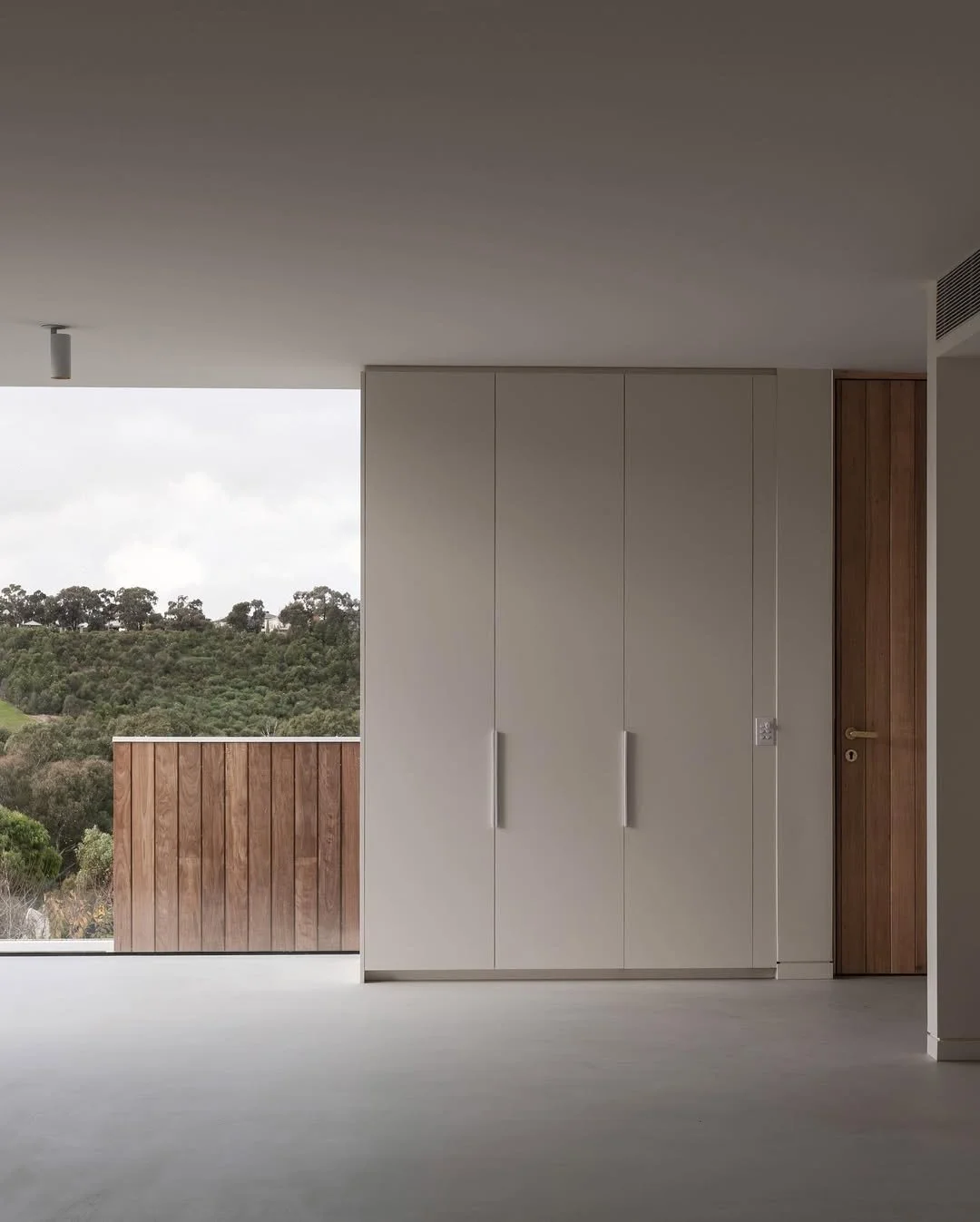
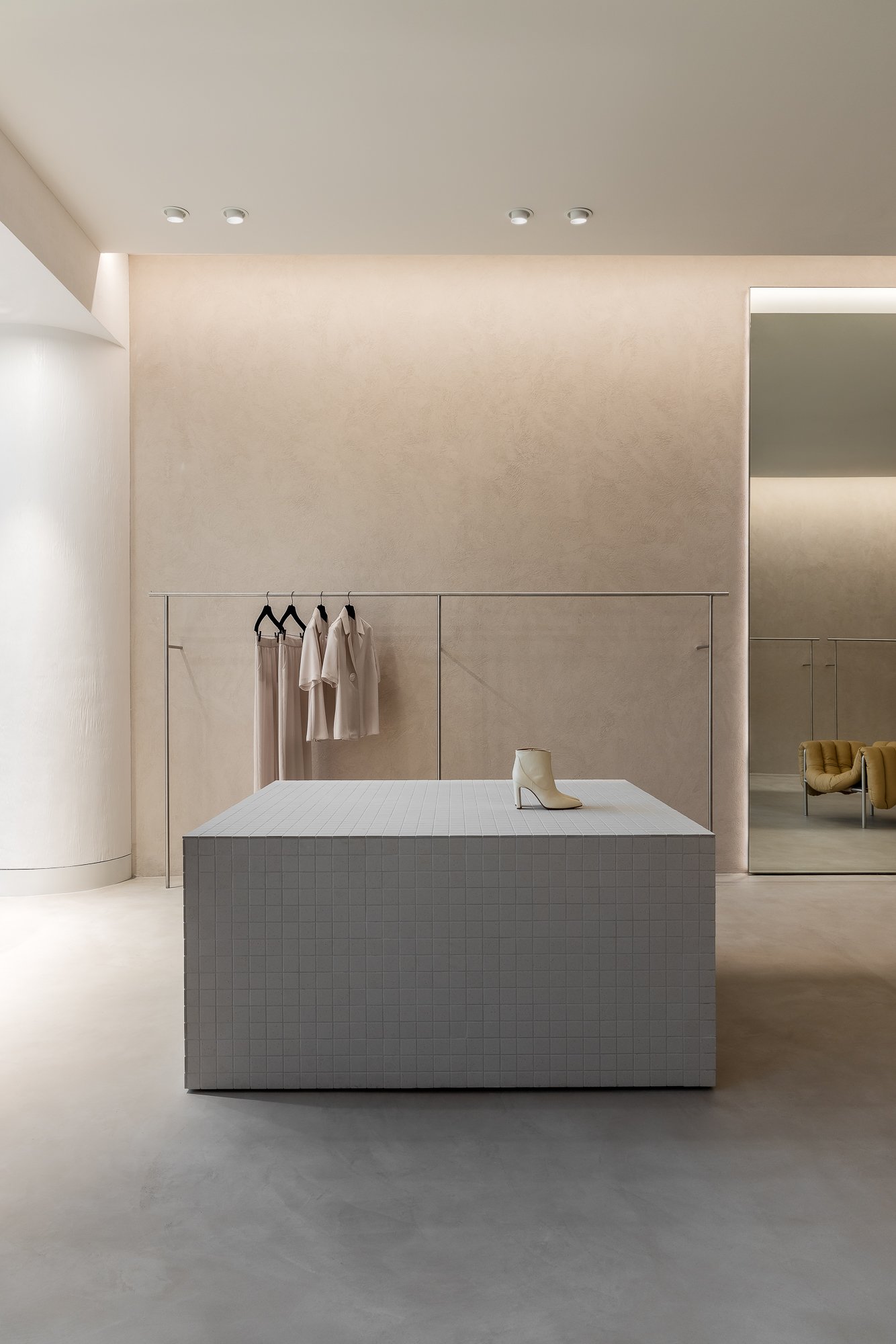
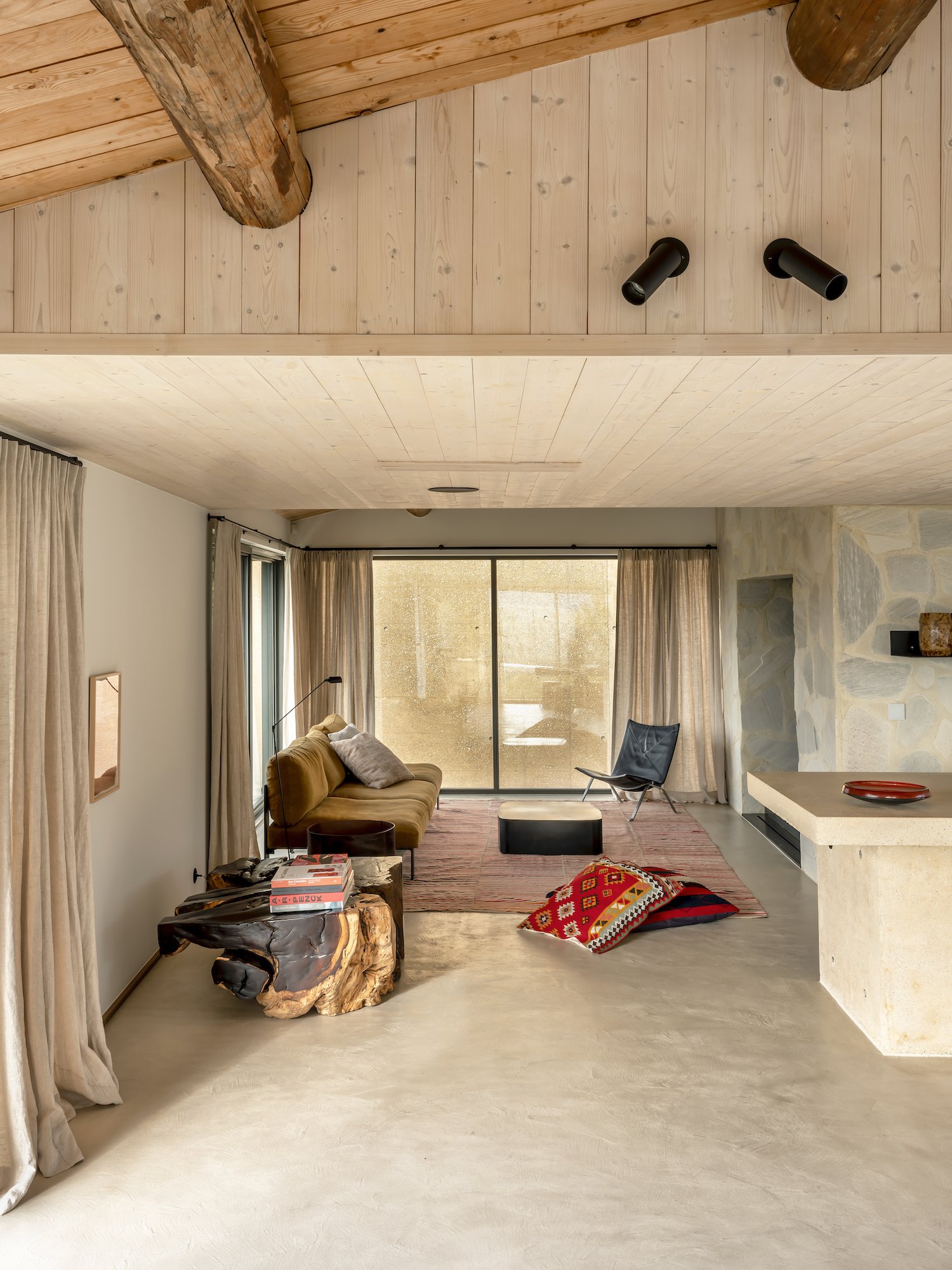
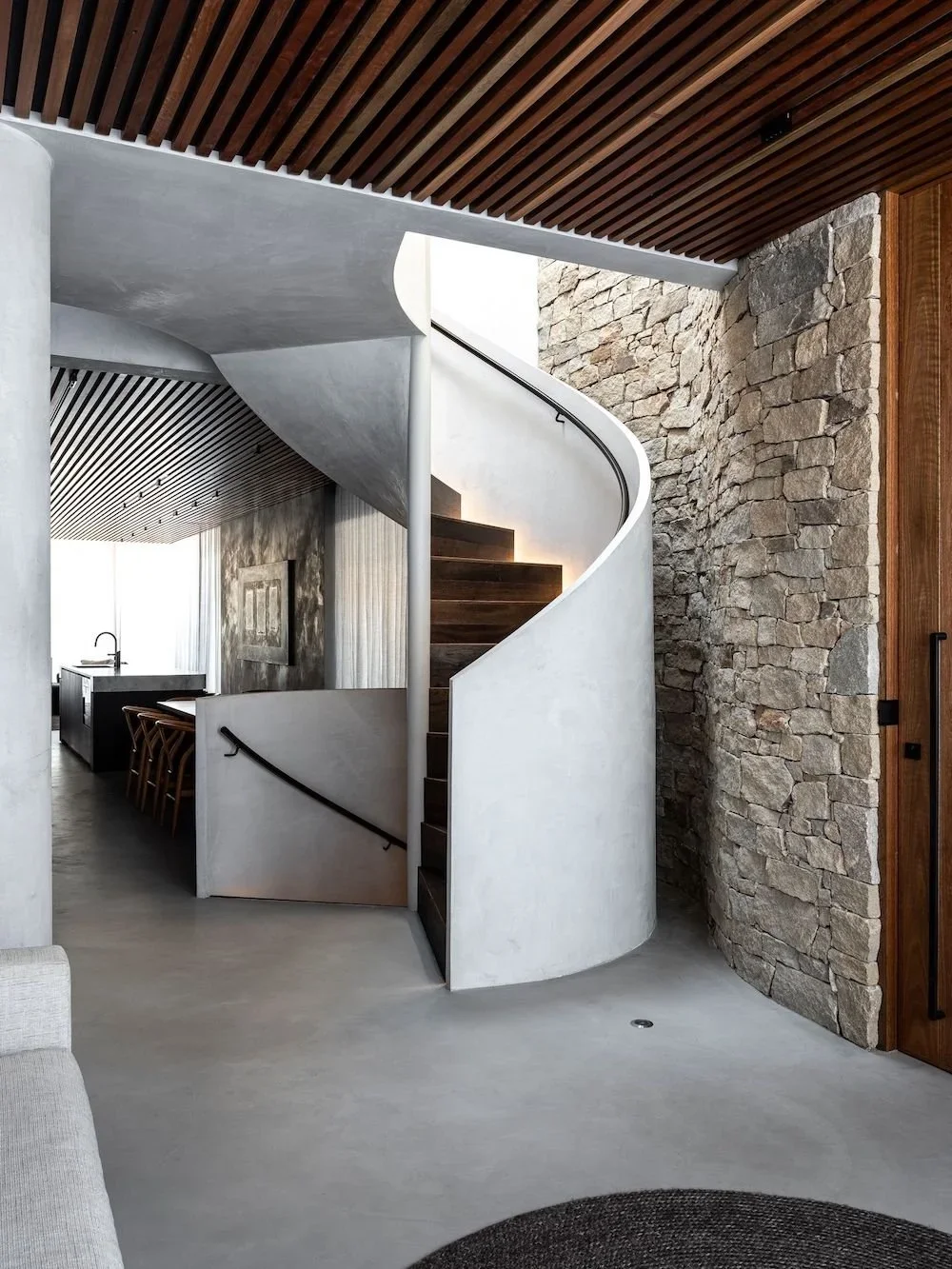
There are four finishes in the X-Bond range that can be used to resurface concrete, each with a different texture. Each finish is available in 10 different colours, and we have the ability to create custom shades for larger projects. X-Bond has been used to resurface concrete in hundreds of projects throughout Australia from homes to commercial buildings and retail stores. You can view our gallery of projects using X-Bond here.
When Concrete Resurfacing Is Best vs Replacement
Choosing between concrete resurfacing and replacement comes down to the condition of your existing slab, your budget, and your renovation goals.
Concrete resurfacing is ideal when:
The existing concrete is structurally sound — surface imperfections like minor cracking, staining, fading or superficial wear are present but the slab underneath is still stable. Resurfacing with an overlay restores the look without removing the base.
You want to update the appearance quickly without the disruption of demolition. Resurfacing can often be completed in a matter of days, whereas replacement may take significantly longer.
Budget and disruption are priorities. Because resurfacing reuses the existing slab, it avoids the time, waste and labour of full removal and re-pouring.
Concrete slab replacement is a better choice when:
The concrete has major structural issues, such as large cracks, significant heaving, exposed reinforcement (rebar), severe spalling or ongoing movement. These problems can compromise long-term performance and may not be fixed by a surface overlay.
You need a new slab to correct drainage, grading or load-bearing requirements — situations where resurfacing alone can’t address underlying structural conditions.
You’re planning a comprehensive redesign of the surface footprint or layout where starting fresh gives you more freedom.
Cost Considerations of Concrete Resurfacing
Understanding costs helps you budget effectively and choose the right solution for your project.
The price of concrete resurfacing in Melbourne varies based on the finish and complexity. Resurfacing concrete floors can start at $200 + GST per m2 (based on minimum 50m2) but the final cost will be influenced by several factors:
Size of the area – Larger spaces can benefit from economies of scale, while smaller areas may have a higher cost per square metre. This is because most resurfacing projects require a similar amount of preparation, setup and installation time regardless of size — meaning labour costs are often comparable whether the area is small or large.
Condition of existing concrete – slabs needing more crack repair, levelling or preparation can add to the price.
Finish and design choices – custom colours are more expensive.
Location and labour rates – regional differences in wages and travel can affect overall costs.
Resurfacing is almost always significantly more cost-effective than full concrete removal and replacement, which includes demolition, waste removal, new slab preparation and curing.
Full replacement typically costs more per square metre and involves a longer project timeline.
Resurfacing allows you to reuse what’s already there, saving on labour while still achieving a refreshed surface.
The X-Bond Range
View the X-Bond Microcement range and enquire about your project.
What Can Be Resurfaced?
One of the biggest advantages of microcement is its versatility. X-Bond can be applied over a wide range of suitably prepared concrete surfaces to floors, walls, ceilings, and joinery, allowing multiple areas to share one continuous finish. Common applications include:
Internal polished concrete floors
Outdoor patios
Pool surrounds
Garage floors
Commercial flooring e.g. retail and offices
Stairs
Feature walls
Seating and joinery
Why Professional Installation Matters
Successful concrete resurfacing begins long before the overlay is applied.
Professional installers assess the condition of the existing slab, identify any movement or moisture concerns, prepare the surface correctly and select the appropriate primers, membranes and sealers for the project.
Although DIY resurfacing products are available, achieving a seamless architectural finish with X-Bond requires specialist knowledge and application techniques.
Working with experienced installers like Alternative Surfaces helps ensure the finished surface is both visually consistent and built to last. As Australia's first X-Bond installer, we've been installing microcement systems since they were brought to market in 1999 — understanding the preparation and application techniques better than anyone.
Frequently Asked Questions
-
Resurfacing works best when the existing slab is structurally sound and the issues are mostly cosmetic — such as surface cracks, stains or dull appearance. If the slab is moving significantly, heavily cracked, or unstable, replacement may be needed.
-
Concrete resurfacing is typically:
More budget-friendly
Faster to install
Less disruptive
Capable of providing decorative finishes
All without removing the existing concrete.
-
Yes — minor cracks and surface imperfections can often be repaired and levelled before applying a new overlay. However, deep structural cracks may require specialist repair or slab replacement.
-
With proper preparation, quality materials and sealing, resurfaced concrete can last 10+ yeats. Regular maintenance and even occasional resealing in high-traffic areas can further extend its lifespan.
-
While some DIY kits exist, we work with X-Bond, a microcement that requires professional installation to ensure correct surface prep, application and sealing — especially important for high-end and commercial finishes.
Why choose Alt. Surfaces microcement installers Melbourne?